Games
Bokujō Monogatari / Story of Seasons

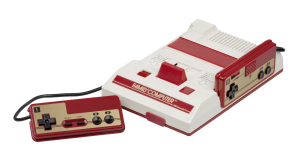
Image: Evan-Amos, modified by Gunnar.offel / Wikimedia Commons · Public domain
Bokujō Monogatari / Story of Seasons
Seasonal work becomes a story of community.
Bokujō Monogatari is a Japanese farming and life-simulation game series whose international continuation is known as Story of Seasons. The first game appeared for the Super Famicom in 1996. Players develop a farm while managing crops, animals and relationships with nearby residents; the balance between productive work and social life is central to the series. Many earlier English releases used the title Harvest Moon, but later games carrying that name belong to a separate publishing history. A title alone is therefore not enough to establish which series a release belongs to. Individual entries also change the setting, available activities and treatment of family life.
Farm
Crops and animals organise daily decisions.
Season
Repeated tasks become longer plans.
Community
Relationships give the village a social life.
At a glance
- Japanese title
- 牧場物語 — Bokujō Monogatari
- First Japanese release
- 6 August 1996
- Original platform
- Super Famicom
- International continuation
- Story of Seasons
- Core form
- Farming and life simulation
01
The first game made farm rebuilding a life story
The official series archive dates the original Bokujō Monogatari to 6 August 1996. Its protagonist rebuilds a farm inherited from his grandfather in Flower Bud Village. Cultivation, caring for animals, enlarging the home and meeting villagers establish the combination of work and social relationships that later entries revisit.
02
English branding and Japanese continuity diverged
Earlier localisations were known as Harvest Moon. When XSEED took over North American publication of the Marvelous series, it used Story of Seasons; the Nintendo 3DS release reached that market on 31 March 2015. Contemporary reporting identifies Natsume’s ownership of the Harvest Moon name as the reason for the change. Later titles should be identified by developer, publisher and original Japanese release, not branding alone.
- Bokujō Monogatari
- The Japanese series identity.
- Story of Seasons
- The international name used for its continuing releases.
- Harvest Moon
- An older localisation name that also identifies later, separate releases.
03
Daily tasks connect to longer seasonal plans
Planting, tending animals and developing the farm organise repeated daily decisions. Longer goals concern what to grow, how to use resources and which improvements to pursue. The 2015 publisher description also makes trade with other countries important to the surrounding town. These are designed game systems, not instructions for operating a real agricultural business.
04
The village is part of the game system
Residents are more than scenery around the fields. Conversation, friendship, romance and family are recurring parts of the official descriptions. The precise options vary by title, so the first game’s male protagonist and marriage structure should not be treated as a permanent rule for every later release. Social choices and farm development proceed together.
05
A series entry has its own platform and design
The original Super Famicom game and the 2015 Nintendo 3DS release demonstrate how one series can move across hardware while changing its features. The latter advertised character customisation and local wireless visits. Those features describe that release at that time; they do not establish the functions or online-service availability of every game sold under the series name.
06
A game world can also become a prose narrative
The National Diet Library records a 2016 KADOKAWA children’s novel, Mittsu no Sato no Daisuki na Nakama, written by Mie Takase and supervised by Yoshifumi Hashimoto. Its farm protagonist and village relationships translate game material into a reading experience. The novel is evidence of adaptation, rather than another playable instalment. Japanese Video Games supplies the broader medium context.
Sources
Last updated: