Manga
Asahinagu
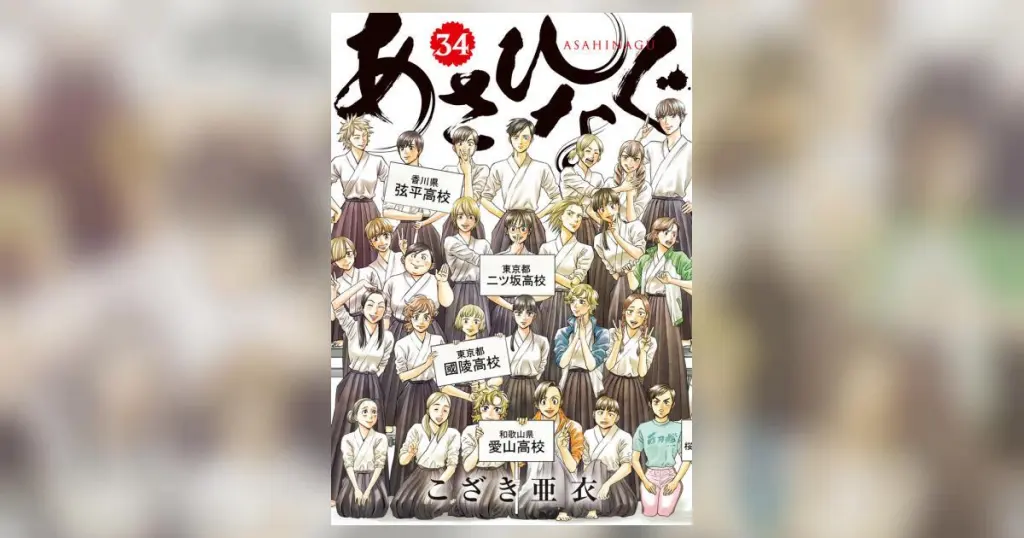
Image: Ai Kozaki; © Shogakukan / Shogakukan official comics page · Copyrighted; limited low-resolution identification and critical commentary
Asahinagu (あさひなぐ) is a manga by Ai Kozaki about Asahi Tōjima, a high-school student who chooses Naginata despite having little athletic experience. Serialized by Shogakukan in Weekly Big Comic Spirits and collected in 34 volumes, the series follows a girls' club through recruitment, basic practice, camps, individual and team competition, setbacks, and graduation. It received the 60th Shogakukan Manga Award in the general category. A stage production and a 2017 live-action film, both associated with members of Nogizaka46, broadened its audience. The manga helped make a less internationally familiar martial discipline visible, but its characters, schools, and match arcs remain fictional. Technical passages should therefore be read alongside federation materials rather than as a substitute for instruction.
Overview
| Japanese title | あさひなぐ |
|---|---|
| Romanization | Asahinagu |
| Creator | Ai Kozaki |
| Medium | Manga |
| Original magazine | Weekly Big Comic Spirits |
| Collected edition | 34 volumes |
| Award | 60th Shogakukan Manga Award, general category |
Publication
Shogakukan published Asahinagu in Weekly Big Comic Spirits and collected it in 34 volumes. The final volume appeared in 2020. Its placement in a general-interest seinen magazine allowed the story to combine detailed sports progression with school, family, friendship, and questions about what continued participation costs.
Premise
Asahi enters high school hoping to change herself and is drawn into the naginata club. Because she begins without a strong athletic background, basic footwork, posture, endurance, equipment care, and fear of contact become narrative obstacles. Improvement occurs unevenly and depends on teammates, teachers, opponents, and repeated failure.
Naginata in the manga
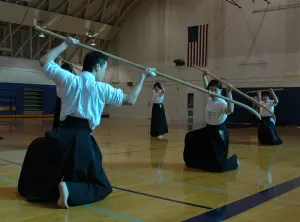
The series depicts a modern competitive discipline using protective armour and bamboo-shaft practice weapons. It explains distance, timing, valid targets, voice, posture, and team formats through practice and matches. Its visual clarity is educational, yet real rules, grading, and school instruction remain under federation and instructor authority.
Girls' club culture
A girls' team is not treated as an exception within the story but as a social world with its own seniority, ambitions, conflicts, and care work. Club continuity depends on recruiting newcomers and passing knowledge between school years. The manga also shows how performance expectations interact with study, injury, family, and friendship.
Competition and growth
Individual and team events create different measures of progress. Victory may depend on tactical roles, order, and the ability to recover after a teammate's result. Rivals develop across repeated meetings, so competition becomes a record of changing judgment rather than a simple ladder of stronger opponents.
Award and adaptations
The 60th Shogakukan Manga Award recognized Asahinagu in the general category. A stage version and 2017 film adapted the club narrative for live performers. These productions compressed the long serial, selected particular rivalries, and connected the work with idol performance culture through their casting.
Cultural significance
For many readers, the manga provides a first sustained encounter with naginata terminology and school competition. Its importance lies not only in promoting a martial art but in showing how a specialist practice becomes meaningful through routine, embarrassment, mentorship, and shared responsibility. That social emphasis distinguishes it within sports manga.
Sources
- National Diet Library, Research Guide to Manga.
- Japan Magazine Publishers Association, Association Outline.
- All Japan Naginata Federation, International Information.
- Japanese Academy of Budo, Characteristics of the naginata from historical records.
- Shogakukan, Asahinagu volume 34.
- Shogakukan, 60th Shogakukan Manga Award announcement.
- Shogakukan, Asahinagu stage and film adaptation overview.
Last updated: