Anime
Seiyū
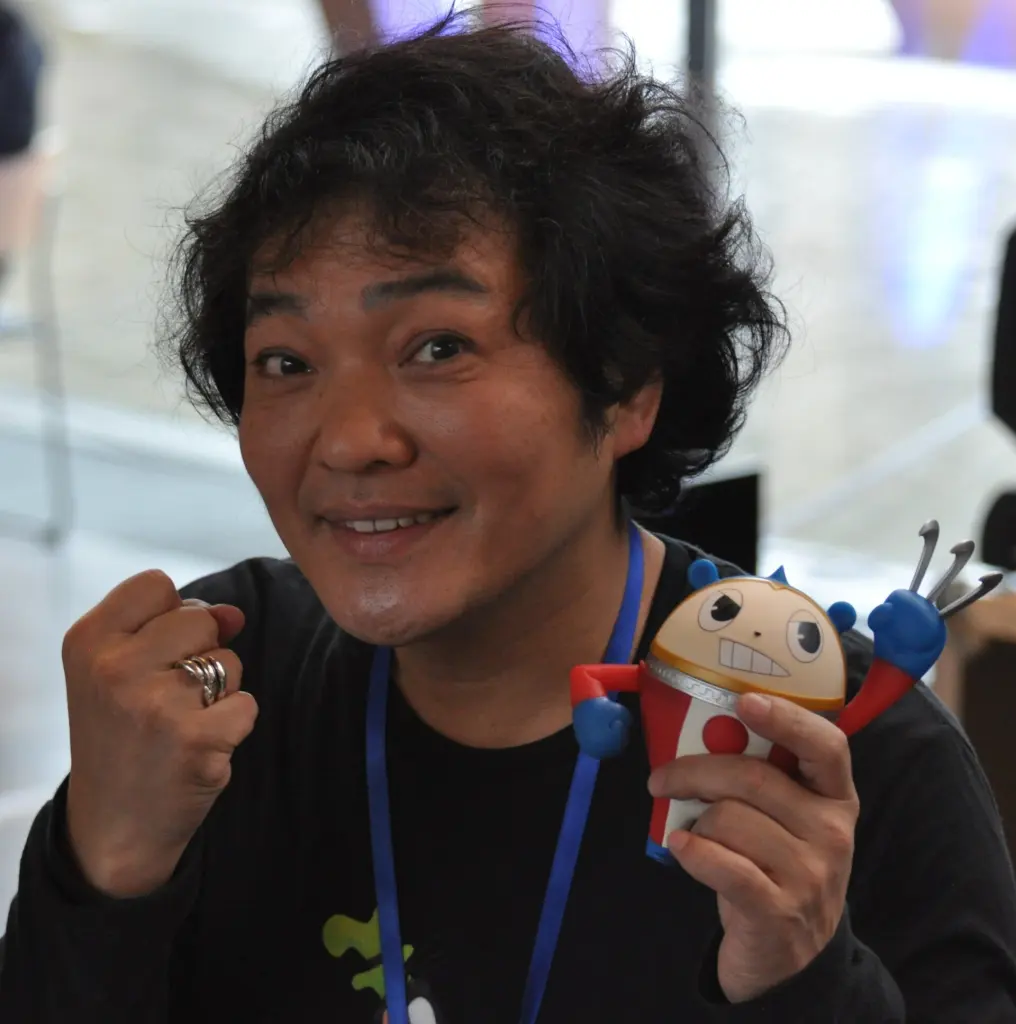
Image: Soppakanuuna / Wikimedia Commons · Creative Commons Attribution-ShareAlike 3.0 Unported
Seiyū (声優) are voice performers in Japan. Their work includes characters in anime, Japanese dubbing for foreign films and television, video games, radio and audio drama, narration, advertising, audiobooks, announcements, and other recorded media. Some also appear on stage, radio programs, concerts, promotional events, or music releases, but public visibility is not a requirement of the profession. The term is often translated as voice actor, yet the Japanese occupation developed through particular broadcasting, dubbing, animation, agency, training, and performance systems. Seiyū normally interpret a script under a director while matching characterization and production timing; they do not independently determine the entire role. Employment and representation vary, and many performers work through talent agencies or professional contracts on a project basis rather than as permanent studio employees.
Overview
| Japanese | 声優 |
|---|---|
| Romanization | Seiyū |
| English equivalent | Voice actor or voice performer |
| Major fields | Anime, dubbing, games, narration, audio drama, and advertising |
| Typical workplace | Recording studio |
| Professional structure | Project work often mediated by agencies and production companies |
Name and occupational scope
The characters in seiyū mean voice and actor or performer. The word identifies a field of acting in which the audience primarily encounters the performed voice. It does not mean that the performer supplies only a natural speaking voice; roles may require character construction, controlled diction, effort sounds, singing, dialect, or repeated technical matching.
Anime is internationally prominent, but the occupation is broader. Japan's Ministry of Health, Labour and Welfare describes work in animation, games, visual media, dubbing, narration, audiobooks, applications, and other voice content. The professional boundary can overlap with actors, singers, narrators, announcers, and radio personalities.
Radio, dubbing, and early history
Modern Japanese voice performance grew from radio drama, broadcasting, theatre, and the practice of supplying Japanese dialogue for imported screen works. Historical research traces the emergence of a named voice-acting profession through the expansion of radio and postwar television rather than to one universally accepted founding individual.
Foreign-film dubbing created sustained demand for performers who could build a role through recorded speech. Domestic television animation added another large field. The Japan Actors Union's history records negotiations over voice-performance contracts, repeat use, and the reuse of recorded performances across media.
Anime recording practice
In anime production, performers work from scripts, character information, visual timing, and direction. Several actors may record in the same studio, allowing dialogue to develop through shared timing, while other projects or circumstances use separate recording. Practices differ across studios, schedules, and media.
The sound director coordinates casting and performance with the larger work. Actors must deliver intelligible dialogue, emotional continuity, and precise timing even when the visual material is incomplete. Recording can involve retakes and alternate readings; the final soundtrack is shaped through selection, editing, sound effects, music, and mixing.
Dubbing, games, and narration
Dubbing a live-action or animated foreign work requires interpretation of an existing performance within Japanese dialogue and screen timing. The task is not word-for-word translation: a translated and adapted script provides lines that must fit characterization, rhythm, and the constraints of the scene.
Games may record large numbers of isolated lines, branching scenes, battle voices, or downloadable additions without a continuous visual performance. Narration, commercials, documentaries, station announcements, and audiobooks demand other balances of personality, clarity, pacing, and neutrality. Skill in one field does not guarantee identical casting in another.
Training, agencies, and casting
Aspiring performers may study acting, voice, movement, language, singing, and microphone technique through theatre, specialist schools, agency training divisions, universities, or private instruction. No course guarantees professional work. Auditions test suitability for a role and production, not only vocal range.
Talent agencies can submit performers for auditions, negotiate work, manage schedules, and support publicity. Some performers are freelancers. The Ministry's occupational guidance notes that representation often takes the form of management or agency contracts rather than permanent employment and that income and workload vary greatly.
Public culture and music
From the late twentieth century, specialist magazines, radio programs, fan events, character-song releases, concerts, and home video made some seiyū publicly recognizable. Awards and promotional programs further present voice performance as a distinct profession. The Seiyu Awards were established with industry partners to recognize work and support professional standing.
This visibility created the category sometimes called an idol seiyū, in which voice acting is combined with music, events, or a managed public persona. The label applies to some career strategies, not to all performers and not to a fixed level of acting ability. Many important roles remain primarily studio work.
Rights, labour, and AI
Recorded performance raises questions about fees, repeat use, adaptation to new media, credit, and performers' neighbouring rights. The Japan Actors Union and related organizations have negotiated conditions for dubbing and domestic animation. Contracts and collective arrangements change, so one historical fee system should not be presented as universal today.
Synthetic voice and generative AI add questions about consent, imitation, training data, attribution, and reuse. Japanese cultural and industry bodies continue to debate these issues. A generated voice should not be described as a seiyū performance unless an identifiable performer actually supplied and authorized the performance under the relevant production arrangement.
Romanization and common misconceptions
The Hepburn form is seiyū, with a long final vowel; seiyu and seiyuu are common keyboard spellings. In English prose, voice actor is usually the clearest occupational translation. Retaining seiyū is useful when the specifically Japanese professional system or fan vocabulary is under discussion.
A seiyū is not necessarily the original author of a character, an animator, or a sound director. A performer may become associated with a role, but the completed character also depends on writing, design, direction, animation, translation where relevant, recording, and editing.
Sources
- Ministry of Health, Labour and Welfare, Voice Actor Occupational Profile.
- National Diet Library, A History of Voice Actors and Actresses in Modern Japan.
- Japan Actors Union, International Conference for Voice Performers.
- Seiyu Awards, About the Awards.
- Association of Japanese Animations, A Manual for TV Anime Series Production Assistants.
Last updated: