Manga
Vagabond

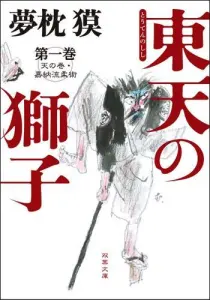
Image: Takehiko Inoue, based on Eiji Yoshikawa; © Kodansha / Kodansha Morning official series page · Copyrighted; limited low-resolution identification and critical commentary
Vagabond is a manga written and drawn by Takehiko Inoue, based on Eiji Yoshikawa’s novel Musashi. Serialized in Kodansha’s Morning from 1998, it reimagines the early life and development of the swordsman Miyamoto Musashi from the aftermath of Sekigahara through encounters with rivals, teachers, labourers, and communities. The series is historical fiction rather than a biography. It uses brush-rich artwork, extended combat, silence, landscape, and bodily detail to question whether strength can be separated from fear, isolation, responsibility, and care. Thirty-seven collected volumes had been published through July 2014, and the narrative has not received a completed ending in the magazine. The work has received the Kodansha Manga Award, the Japan Media Arts Festival Manga Grand Prize, and the Tezuka Osamu Cultural Prize Manga Grand Prize.
Overview
| Japanese title | バガボンド |
|---|---|
| Creator | Takehiko Inoue |
| Literary source | Musashi by Eiji Yoshikawa |
| Publisher and magazine | Kodansha; Morning |
| Serialization began | 1998 |
| Collected volumes | 37 through July 2014 |
| Genre | Historical and martial-arts manga |
Publication and source
Inoue began Vagabond in Morning in 1998. Kodansha credits both Inoue and Yoshikawa, whose newspaper novel Musashi supplied the broad narrative foundation. The manga substantially reworks character, pacing, imagery, and theme; it is neither a direct transcription of Yoshikawa nor an illustrated primary history of the early seventeenth century.
Takezō to Musashi
The protagonist begins as the violent village youth Shinmen Takezō and gradually assumes the name Miyamoto Musashi. The change is not a single conversion from savagery to wisdom. Repeated defeats, killings, friendships, and periods of isolation expose contradictions in his pursuit of being “invincible under heaven.” Identity is made through action and revision rather than a fixed heroic essence.
Kojirō and parallel narrative
Sasaki Kojirō receives an extensive parallel life that differs markedly from surviving historical evidence and from many earlier fictional versions. By making him deaf and building a visual, bodily mode of communication around him, the manga creates an independent protagonist rather than only Musashi’s final rival. This is a major imaginative departure, not an established fact about the historical swordsman.
Combat and visual form
Sword encounters use changes of scale, blurred motion, anatomical strain, negative space, and interrupted time. Long sequences may move from tactical perception to memory or imagined death. Inoue’s brushwork makes violence physically immediate while refusing to treat every victory as mastery; injury and psychological aftermath continue beyond the duel.
History and invention
Musashi left writings and works of art, but many popular episodes in his life are uncertain or were elaborated later. Vagabond inherits some of its structure through Yoshikawa’s twentieth-century novel and adds further inventions. Names such as Yagyū, Hōzōin, and Sasaki therefore connect the story to history without verifying every meeting, motive, date, or technique.
Farming arc
A long later arc moves from duelling to the collective labour of restoring fields and sustaining a village. Physical power is redirected toward water, soil, hunger, and cooperation. This shift is central to the manga’s argument: the ability to kill is tested against forms of strength that preserve life and require dependence on other people.
Awards and critical reception
Kodansha’s official series page lists three major honours: the Kodansha Manga Award, the fourth Japan Media Arts Festival Manga Division Grand Prize, and the Tezuka Osamu Cultural Prize Manga Grand Prize. The Media Arts Festival jury particularly praised Inoue’s challenge to Yoshikawa’s national literary classic and the emergence of a new image of Musashi.
Publication status and legacy
Volume 37, released in July 2014, contains chapters first published through early 2014. Later magazine chapters did not produce a completed volume or ending. The unfinished status is part of responsible bibliographic description, not a judgment on the work. Vagabond remains influential for its integration of commercial serial manga, calligraphic drawing, philosophical introspection, and historical martial narrative.
Sources
Last updated: