Buddhism
Shingon Buddhism
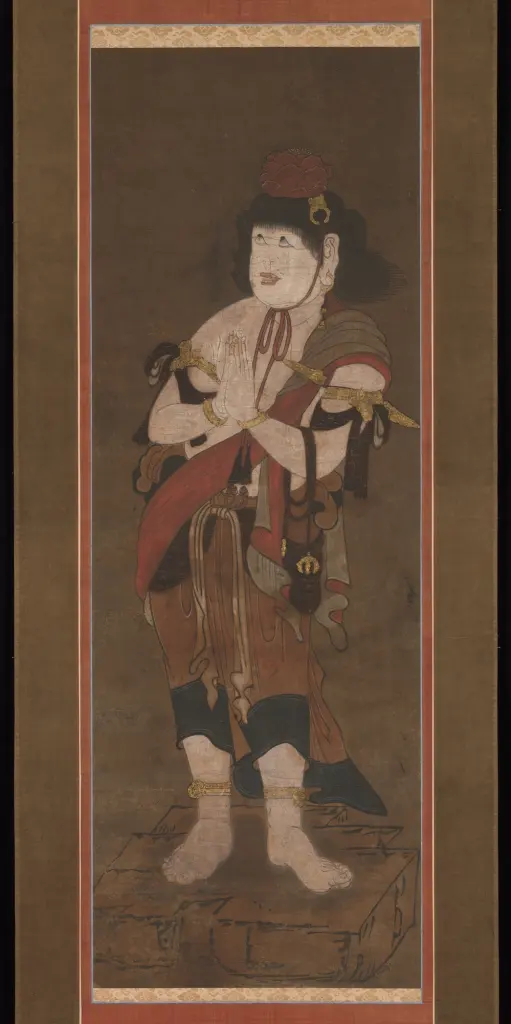
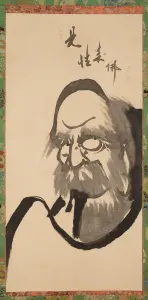
Image: Ryūshū Shūtaku (Myōtaku) / Wikimedia Commons; Metropolitan Museum of Art · CC0 1.0
Shingon Buddhism (真言宗, Shingon-shū) is a Japanese esoteric Buddhist tradition whose foundations were established by Kūkai (774–835), posthumously known as Kōbō Daishi. After studying ritual and doctrine in Tang China, Kūkai returned with texts, mandalas, images, and initiatory lineages centred on Mahāvairocana Buddha, called Dainichi Nyorai in Japan. “Shingon” means “true word” and commonly refers to mantra. Shingon practice coordinates mantra, mudra, and visualization—the “three mysteries” of speech, body, and mind—within ritual systems transmitted through initiation. Mount Kōya and Tō-ji became major centres, but modern Shingon consists of several branches. Esoteric ritual also developed within Tendai, and figures such as Fudō Myōō gained devotion beyond Shingon, so Japanese mikkyō should not be treated as one school’s exclusive property.
Overview
| Japanese | 真言宗 |
|---|---|
| Romanization | Shingon-shū |
| Classification | Esoteric Mahayana Buddhism |
| Foundational teacher in Japan | Kūkai (Kōbō Daishi), 774–835 |
| Central Buddha | Dainichi Nyorai (Mahāvairocana) |
| Major centres | Mount Kōya and Tō-ji |
| Characteristic forms | Mantra, mudra, mandala, visualization, and initiation |
Name and esoteric context
Shingon translates the Chinese term zhenyan, “true word,” used for mantra. The wider term mikkyō means esoteric or secret teaching, not because all information is concealed but because ritual knowledge is transmitted through authorized instruction and initiation. Shingon belongs to the East Asian development of tantric Buddhism and should be distinguished from, while historically related to, later Tibetan traditions.
Kūkai and Tang China
Kūkai travelled to Tang China in 804 and studied in Chang’an under the esoteric master Huiguo. He returned to Japan in 806 with scriptures, ritual manuals, images, mandalas, implements, and a lineage of initiation. Court patronage and Kūkai’s writings helped establish esoteric Buddhism as a powerful intellectual, artistic, and ritual system in the early Heian period.
Mount Kōya and Tō-ji
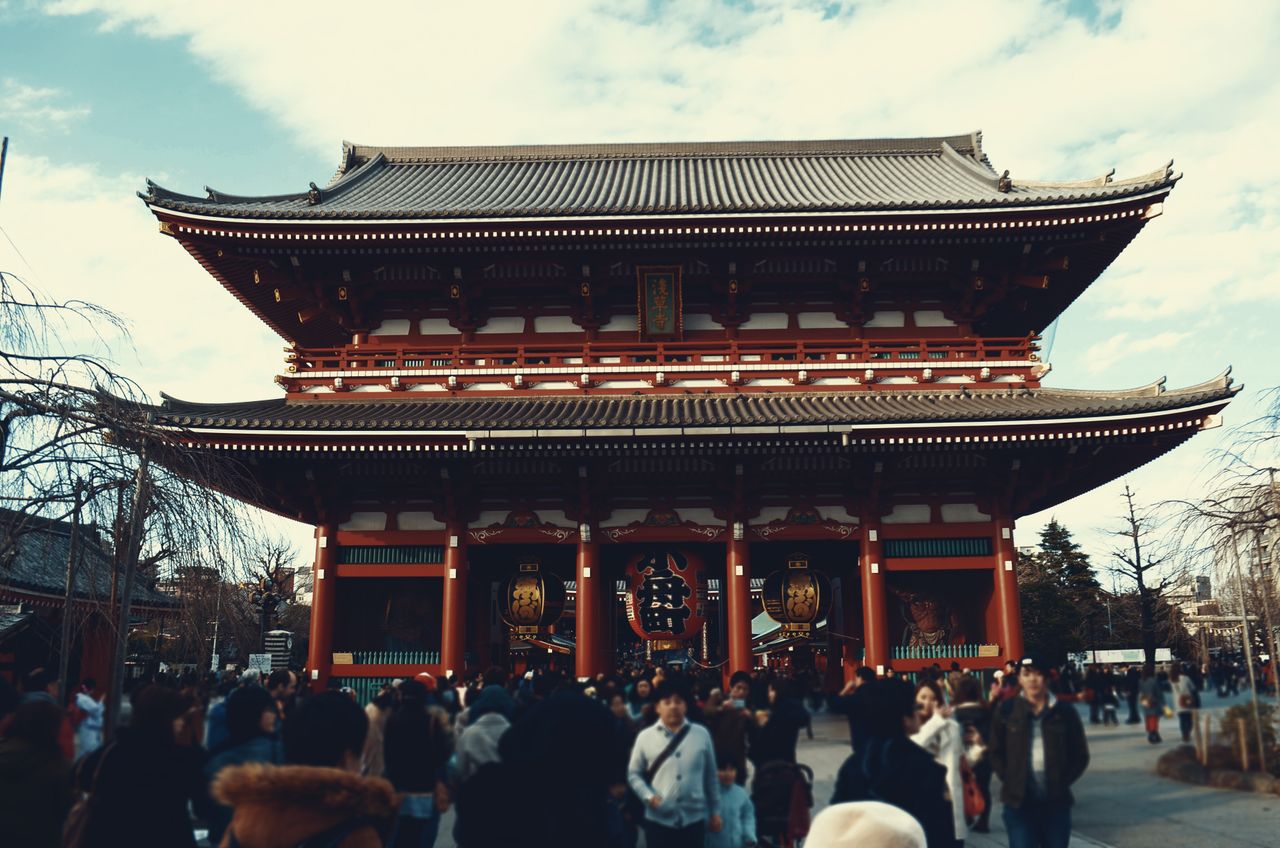
The court granted Kūkai Mount Kōya in 816 as a place of training, and Tō-ji in Kyoto became another major institutional centre. Mount Kōya developed as a sacred landscape of halls, monasteries, pilgrimage routes, and Kūkai devotion; Kongōbu-ji is the head temple of the Koyasan Shingon branch. Neither site represents every Shingon lineage, and the modern tradition includes multiple headquarters and denominations.
Dainichi and the two mandalas
Dainichi Nyorai represents the cosmic Buddha whose teaching is expressed through all phenomena. The Womb Realm and Diamond Realm mandalas map complementary dimensions of awakening and organize large assemblies of buddhas, bodhisattvas, and protective figures. Mandalas are not decorative diagrams alone: they structure contemplation, altar space, initiation, and ritual identity.
Three mysteries and initiation
Shingon practice coordinates bodily gesture (mudra), sacred speech (mantra), and mental visualization as the three mysteries. Under a qualified teacher, the practitioner ritually aligns these with the body, speech, and mind of the Buddha. Kūkai’s teaching of becoming a buddha “in this very body” describes awakening through this embodied relationship, not a promise that a short technique automatically produces omnipotence.
Ritual, meditation, and goma
Shingon liturgy includes chanting, offerings, consecrations, memorials, protective rites, and meditations such as ajikan, visualization of the Sanskrit letter A. In goma, offerings are burned in a fire ritual associated especially with Fudō Myōō. Some practices are public, while advanced rites require initiation and precise training. Lay devotion may centre on Kōbō Daishi, pilgrimage, prayers, and temple services.
Art and material culture
Esoteric ritual generated complex painting, sculpture, calligraphy, vestments, implements, architecture, and performance. Wrathful Kings of Brightness, seed syllables, and mandalas make invisible relationships visible within ritual space. These objects were created for use and transmission, so museum display shows only part of their historical function. Shingon institutions also preserved extensive archives and cultural properties.
Relationships and present-day Shingon
Tendai developed its own esoteric traditions, and medieval mountain practice frequently crossed modern institutional boundaries. Shingon temples also participated in kami–Buddhist syncretism, funerals, memorials, and local parish life. Today its branches maintain temples, schools, pilgrimage routes, training systems, and international communities. The popular image of a single unchanging secret school understates this organizational and historical diversity.
Sources
Last updated: