Food Culture
Wagashi
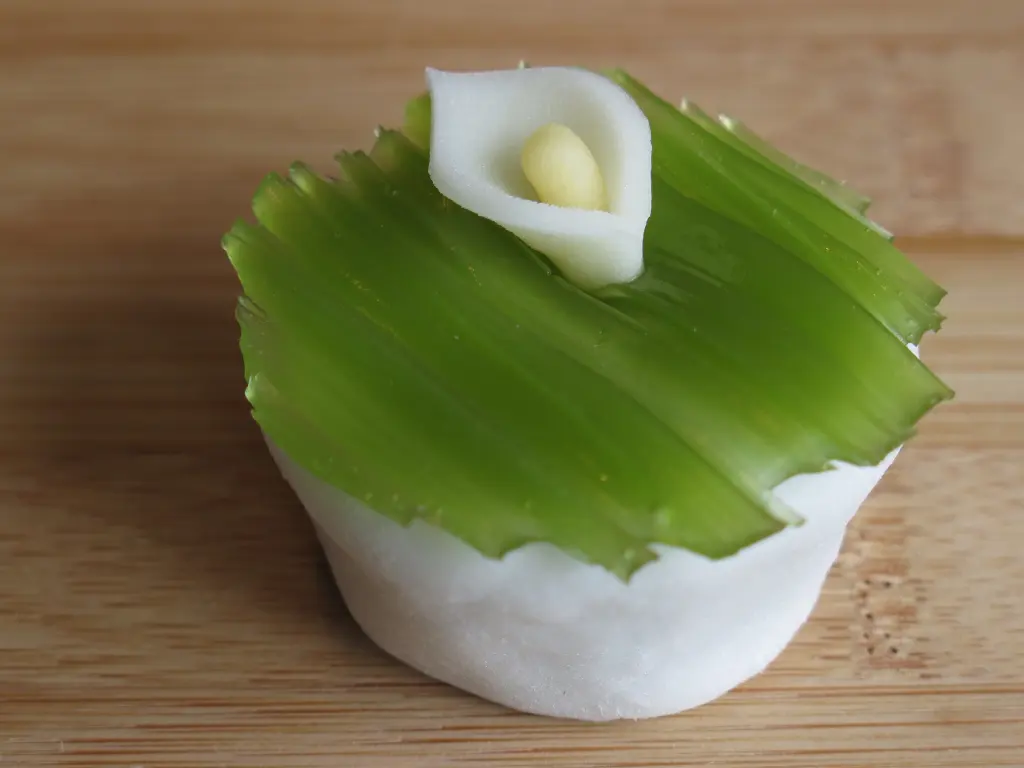
Image: Douglas Perkins / Wikimedia Commons · CC0 1.0
Overview
Ingredients, technique and a sense of occasion.
Wagashi (和菓子) is Japanese confectionery, a broad family of sweets associated with everyday eating, tea, gifts and seasonal observances. It includes simple rice-based confections as well as carefully shaped bean-paste sweets, cakes, jellies and dry moulded pieces. Its history includes exchange with China, the development of tea culture and the adaptation of European confections. The term therefore describes a changing culinary tradition rather than an untouched ancient recipe book. Ingredients and methods vary between regions and makers, while names, colours and shapes can evoke a particular season or occasion. The decorative sweets served with formal tea represent only one part of this wider field.
Beans, rice, sugar and other ingredients shape texture.
Steaming, shaping and moulding create different forms.
Season, place and occasion give a sweet its context.
At a glance
- Japanese name
- 和菓子
- Romanisation
- Wagashi
- Scope
- Japanese confectionery
- Common materials
- Beans, rice, sugar, wheat flour, agar and seasonal ingredients
- Contexts
- Everyday sweets, tea, gifts and annual observances
- Variation
- Recipes, names and classifications differ by maker and region
01
A broad confectionery tradition
The Tokyo Wagashi Association notes that there is no single standard definition covering every variety. The same general name can encompass different recipes: manjū may be steamed or baked, for example. Wagashi should consequently be understood through particular ingredients, methods and uses. It is broader than decorative nerikiri and broader than sweets made exclusively for the tea ceremony.
02
A history shaped by exchange
The National Diet Library traces an early meaning of kashi to fruit and nuts. Its account describes continental confections, recipes transmitted through Buddhist contacts, and European sweets arriving with Portuguese trade. Greater access to sugar and the growth of confectionery culture helped varieties flourish in the Edo period. This layered history is more accurate than assigning all wagashi to a single inventor or one moment of origin.
Continental exchange
- Contribution
- New preparations and ingredients entered Japanese food culture.
Tea culture
- Contribution
- Sweets became associated with serving and drinking tea.
Portuguese trade
- Contribution
- European confections and sugar helped reshape confectionery.
Edo-period development
- Contribution
- Makers expanded varieties, designs and poetic names.
03
Materials shape texture and form
Beans provide pastes, rice and rice flour provide different doughs and textures, and agar can set mixtures into gels. Sugar, chestnuts, sesame, green tea and other ingredients contribute flavour or appearance. Smooth adzuki paste and pastes retaining bean skins create different eating qualities. Recipes are not uniform: wheat and eggs appear in some varieties, so the name wagashi alone does not establish the ingredients of an individual sweet.
04
Classify by how a sweet is made
The Ministry of Agriculture, Forestry and Fisheries presents a practical classification by production method. These groups describe technique rather than a ranking of refinement. A method name should not be mistaken for one fixed recipe; regional and shop variations remain important.
Rice-based
- Representative sweet
- Daifuku or ohagi
- Distinguishing process
- Uses mochi or rice as a central component.
Steamed
- Representative sweet
- Steamed manjū
- Distinguishing process
- Cooked with steam.
Baked or griddle-cooked
- Representative sweet
- Dorayaki or castella
- Distinguishing process
- Cooked on a heated surface or in an oven.
Poured into a mould
- Representative sweet
- Yōkan
- Distinguishing process
- Mixture is formed in a mould.
Shaped paste
- Representative sweet
- Nerikiri
- Distinguishing process
- Paste is worked into a chosen form.
Assembled
- Representative sweet
- Monaka
- Distinguishing process
- Separately prepared components are joined.
Pressed in a mould
- Representative sweet
- Rakugan
- Distinguishing process
- Material is compacted and released from a mould.
05
Season can be expressed in flavour, shape or occasion
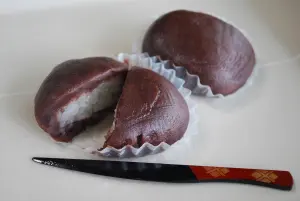
Ohagi and Botamochi connect rice and sweet beans with the spring and autumn Higan observances; the familiar seasonal naming distinction varies by region.
Seasonality does not require every ingredient to be newly harvested. A shaped sweet can evoke flowers or scenery through colour, form and naming. MAFF gives sakuramochi in spring and mizu-yōkan in summer as familiar seasonal examples. Nerikiri can express different times of year through the treatment of a similar base mixture. Availability and interpretation vary, so a shop’s selection is not a universal calendar.
06
Tea, annual events and local specialities
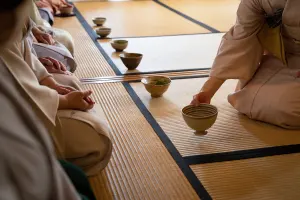
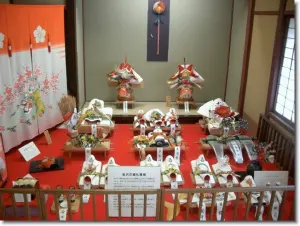
The National Diet Library documents connections between confections and the annual calendar, including sweets for festivals and observances. It also describes wagashi as local specialities. Such uses link the object to a place, a recipient or an occasion. Japanese Tea Ceremony provides one context; Higan and Gift-giving in Japan explain others.
07
Read the individual sweet
A useful description identifies the name, principal materials, preparation and intended occasion. This avoids treating a delicate shape as evidence of a single age, status or regional origin. Ask how the maker describes the item and follow its storage instructions. Traditional identity does not guarantee a particular recipe, shelf life or dietary suitability. Understanding wagashi means paying attention to the specific confection as well as the tradition around it.
Sources
Last updated: