Historic Cities
Nagasaki
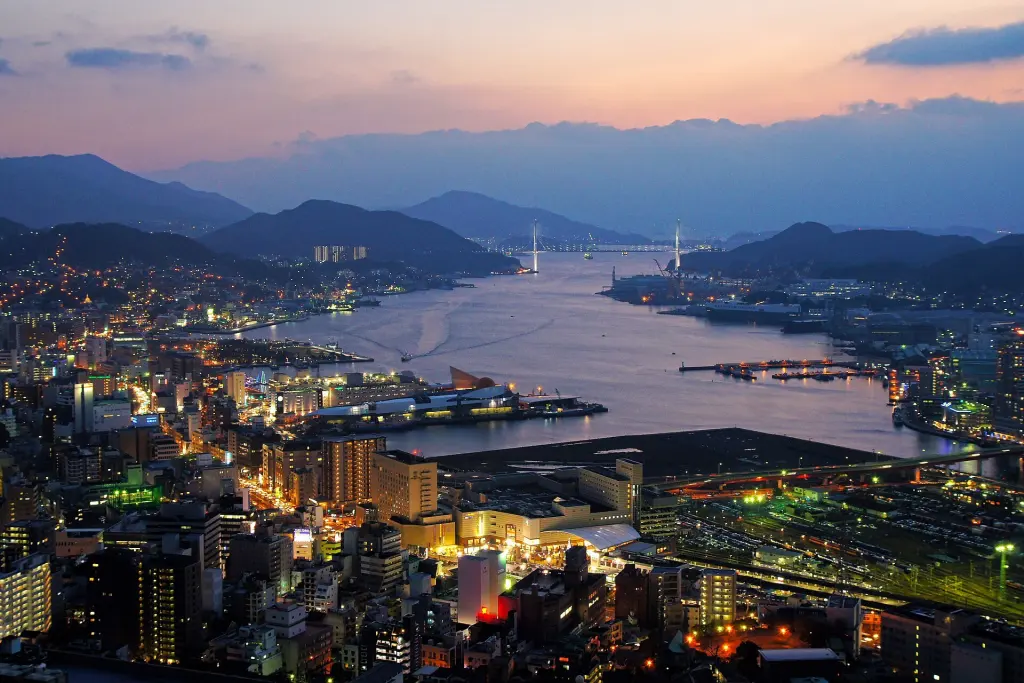
Image: 663highland / Wikimedia Commons · CC BY-SA 3.0
Nagasaki is the capital of Nagasaki Prefecture and a port city on the western coast of Kyushu. The modern port town was established in the late sixteenth century and became a regulated center of trade and cultural exchange with Portuguese, Chinese, Dutch, and other communities. During the Tokugawa period, Chinese traders and the Dutch post on Dejima connected Japan with overseas goods, knowledge, medicine, and science under strict official controls. After the ports reopened in the nineteenth century, shipbuilding, mining networks, foreign settlements, and Christian institutions shaped the city’s modernization. On 9 August 1945 the United States detonated an atomic bomb over the Urakami district, causing mass civilian death, destruction, radiation exposure, and lasting suffering. Postwar Nagasaki rebuilt as an international culture and peace city. This article focuses on Nagasaki City, while distinguishing it from the wider prefecture and World Heritage sites dispersed across the region.
Overview
| Japanese name | 長崎市 |
|---|---|
| Romanization | Nagasaki-shi |
| Prefecture | Nagasaki Prefecture |
| Region | Kyushu |
| Port-town formation | Port opened in 1570; town established in 1571 |
| Atomic bombing | 9 August 1945 at 11:02 a.m. |
Harbor geography and scope
Nagasaki developed around a long natural harbor enclosed by steep hills. Limited flat land pushed neighborhoods, cemeteries, temples, churches, roads, and later housing up slopes and into valleys. Views across the port make the relationship between topography and urban growth unusually legible.
Nagasaki City is smaller than Nagasaki Prefecture, which includes peninsulas, islands, former mining settlements, and other port towns. The serial World Heritage sites associated with Hidden Christians and Meiji industrialization include components across the prefecture; not all are within the city.
Port town and early exchange
The port opened in 1570 and the town was established in 1571 amid maritime trade and Jesuit activity. Portuguese merchants, missionaries, Japanese converts, local rulers, and officials participated in a rapidly changing environment whose power relationships cannot be reduced to simple cultural encounter.
Toyotomi and then Tokugawa authorities brought Nagasaki under direct control. Christianity was prohibited, missionaries were expelled, and converts faced surveillance and persecution. At the same time the government maintained regulated overseas trade because the port served economic and diplomatic needs.
Chinese trade, Dejima, and knowledge
Chinese merchants and residents were central to Nagasaki’s commerce and cultural life. Chinese temples, foodways, festivals, and material culture remain important parts of the city’s heritage. Trade was licensed and restricted rather than open in a modern sense.
Dejima was built in 1636 for Portuguese residents and became the Dutch trading post in 1641. Books, instruments, medicines, textiles, sugar, ceramics, metals, and information passed through closely supervised networks. The restored site today combines excavated foundations, reconstructed buildings, and later structures; it is not an untouched island preserved from the Edo period.
Opening, industrialization, and religious life
After Japan’s treaty ports opened in the 1850s, foreign settlements, consulates, schools, churches, trading houses, and new waterfront works appeared. Shipbuilding and related industries expanded, connecting Nagasaki to Japan’s state-led industrialization and imperial economy.
Christian communities emerged publicly after the prohibition was lifted in 1873, while some groups maintained practices formed during centuries of concealment. UNESCO’s Hidden Christian Sites in the Nagasaki Region interpret this history through twelve components across Nagasaki and Kumamoto prefectures, not through every church or the city as a whole.
Atomic bombing and Urakami
At 11:02 a.m. on 9 August 1945, a U.S. atomic bomb exploded over the Urakami valley. Blast, heat, fire, and radiation killed and injured civilians, devastated neighborhoods and institutions, and produced illnesses and discrimination that continued for survivors and families.
The hypocenter lay north of the historic port center, so destruction varied with distance and steep terrain. This geography helps explain why some older districts survived, but it must not fragment the event into landmarks. Testimony, medical evidence, family histories, religious records, and objects preserve intersecting experiences.
Reconstruction, peace, and memory
Residents rebuilt housing, schools, worship sites, transport, workplaces, and community networks amid shortages. Nagasaki framed its postwar identity as an international culture city and a city of peace, developing Peace Park, the Atomic Bomb Museum, memorial halls, and annual ceremonies.
Memorial culture includes survivor testimony, prayer, anti-nuclear advocacy, research, education, and debate. Visitors should approach Urakami Cathedral, the hypocenter, museums, cemeteries, and memorials as distinct places with different custodians and rules rather than as a single tourism circuit.
Culture and the present city
Nagasaki culture reflects exchange with China, Korea, Europe, and other parts of Japan without becoming a simple blend. The Nagasaki Kunchi festival, Shippoku cuisine, castella, Chinese temples, churches, hillside cemeteries, and port industries each developed in specific institutions and historical conditions.
The city remains a regional center and working port with universities, manufacturing, tourism, aging neighborhoods, and steep transport challenges. Reading Nagasaki well means holding together trade, coercion, faith, industry, war, peace work, and ordinary life rather than allowing one theme to replace the others.
Sources
Last updated: