
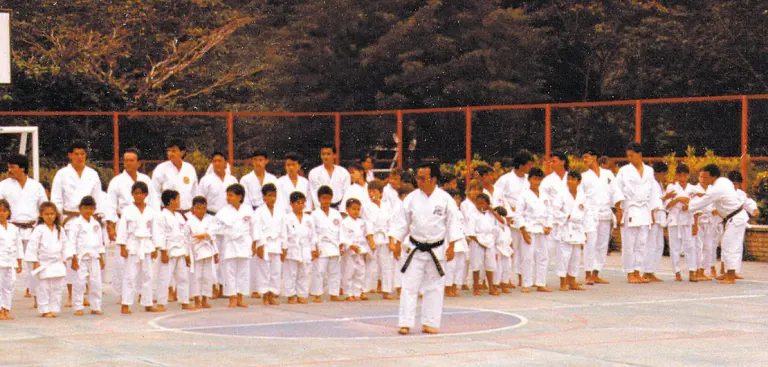
Gekisai Dai Ichi
Gekisai Dai Ichi is a modern Gōjū-ryū introductory kata associated with Chōjun Miyagi, with technical details varying among branches.
Gekisai Dai Ichi is a modern Gōjū-ryū introductory kata associated with Chōjun Miyagi, with technical details varying among branches.
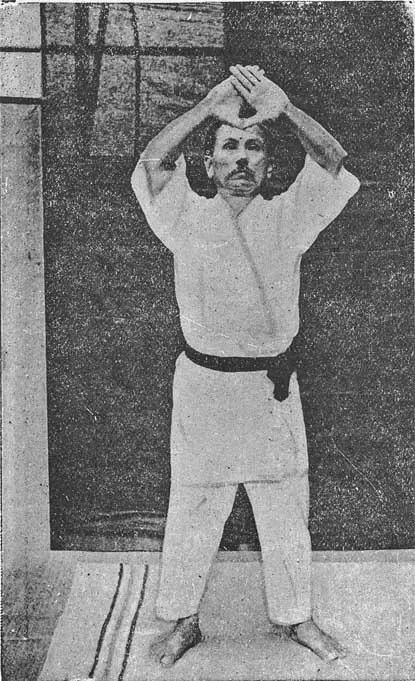
Kankū Dai is a major Shotokan kata related to the wider Kūshankū family, with organisation-specific counts, rhythm and technical detail.
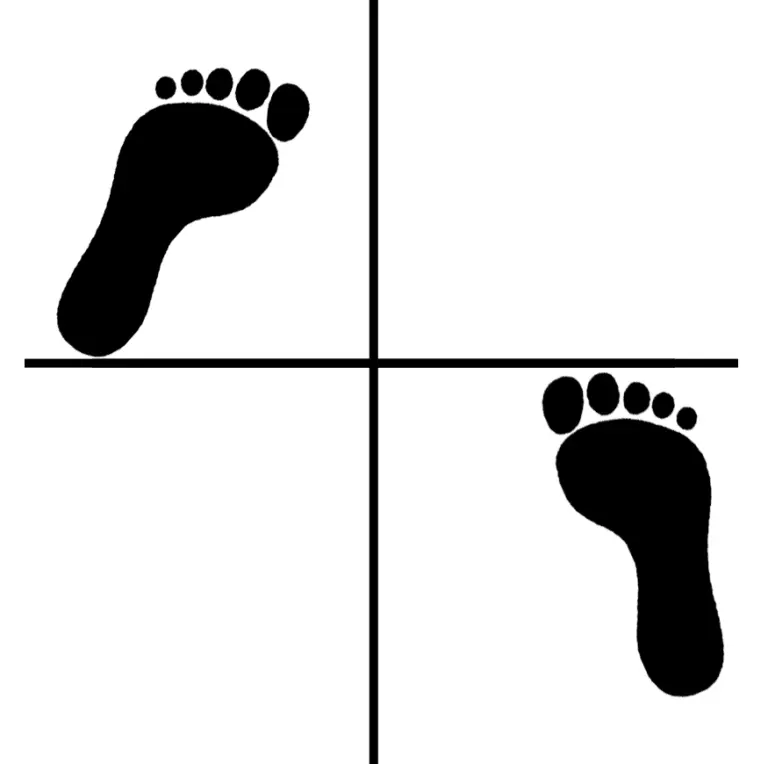
Seisan is a widely transmitted Karate kata name covering distinct Gōjū-ryū, Uechi-ryū, Wadō and other versions rather than one universal sequence.
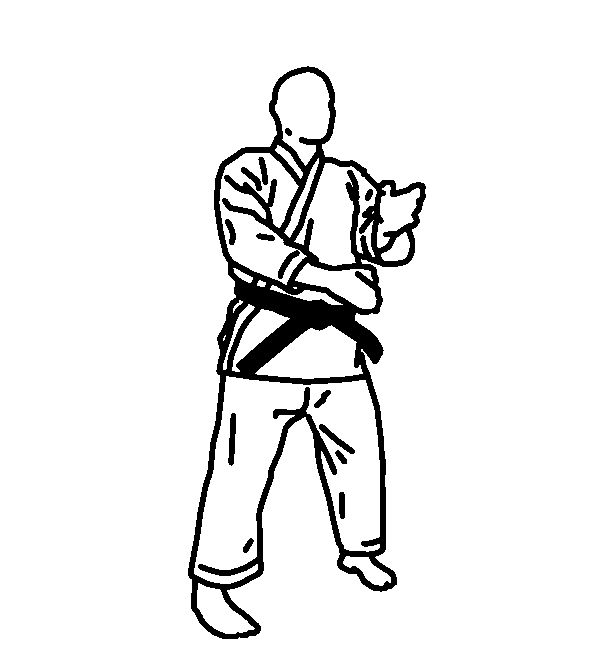
Naihanchi Shodan is a lateral-pattern Okinawan Karate kata related to, but not universally identical with, Shotokan Tekki Shodan.
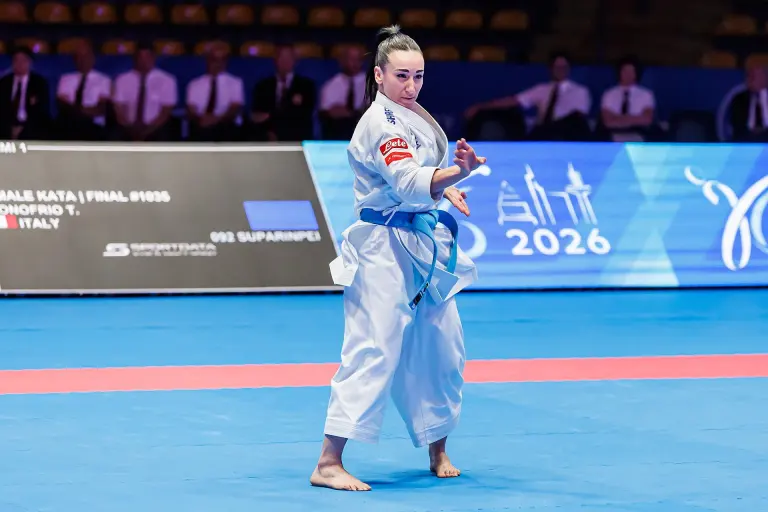
Bassai Dai is a widely transmitted Karate kata whose Shotokan, Shitō-ryū and other versions share a name but not one fixed performance.
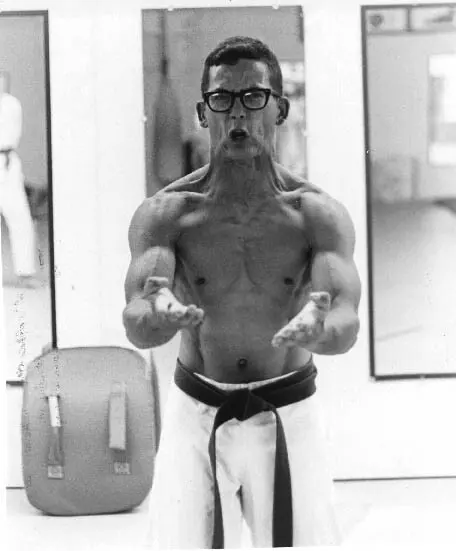
Sanchin is a central kata in several Naha-linked and Uechi-ryū traditions, with distinct versions of posture, breathing and tension.
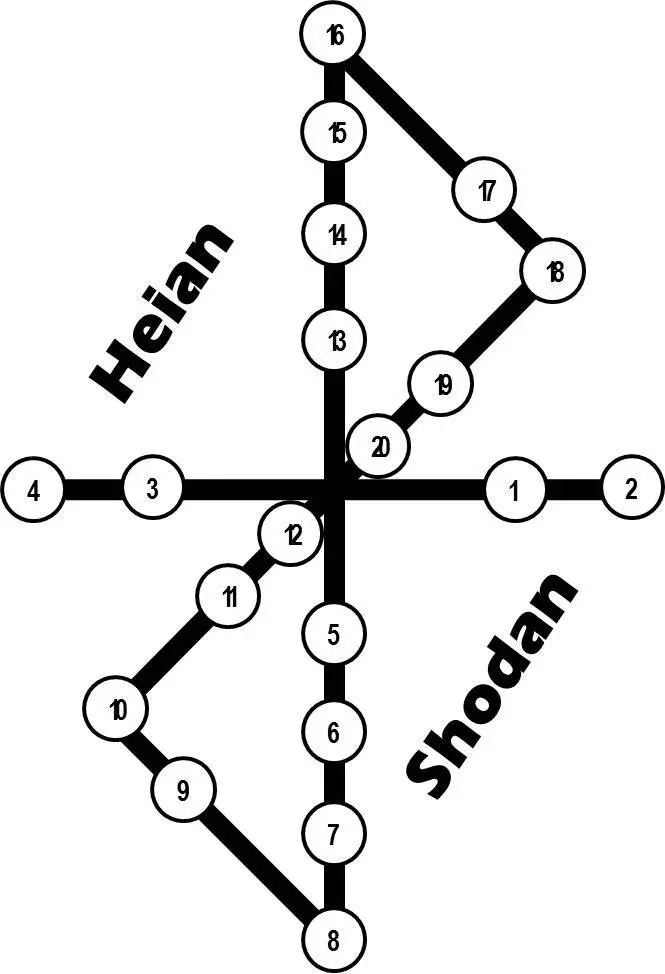
Heian Shodan is the first-named Heian kata in many Shotokan syllabuses, but sequence, count and teaching emphasis remain organisation-specific.
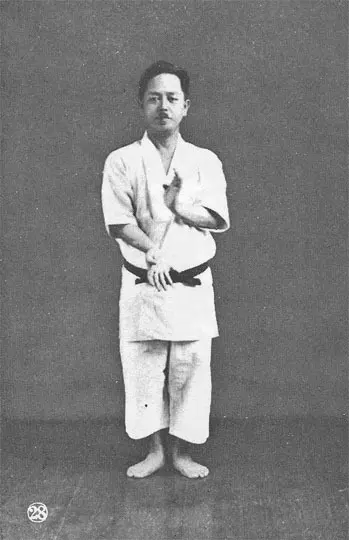
Kenwa Mabuni founded Shitō-ryū Karate, drawing especially on the teachings of Ankō Itosu and Kanryō Higaonna and a broad study of Okinawan kata.
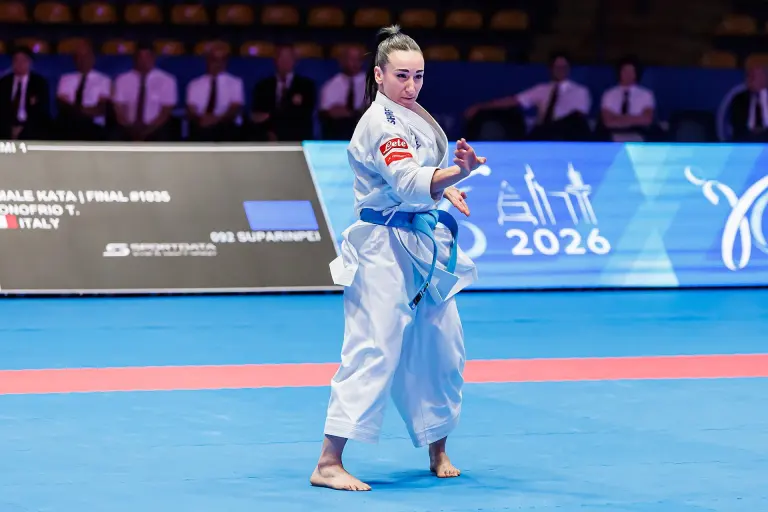
Karate kata are prescribed forms that preserve movement and tactical principles, with different names, sequences and performance methods across Okinawan and Japanese traditions.