
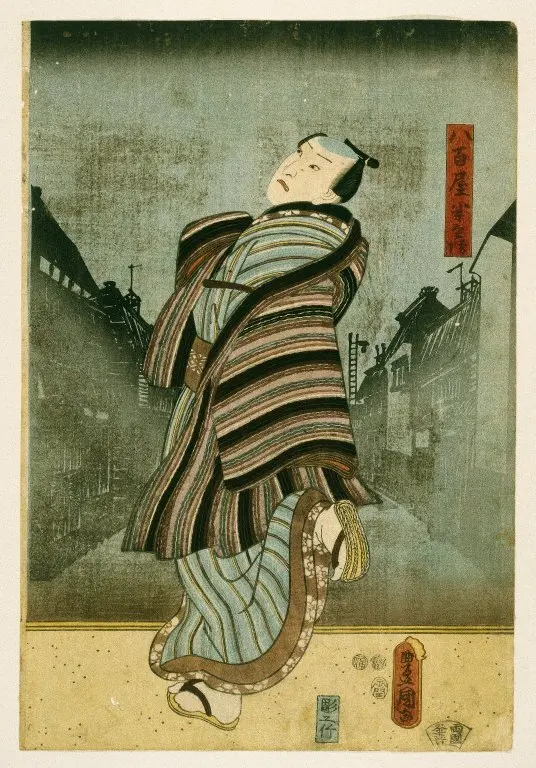
Kabuki Actors
An introduction to kabuki actors, including stage names, lineages, role categories, training, acting patterns, actor prints, and the modern profession.
An introduction to kabuki actors, including stage names, lineages, role categories, training, acting patterns, actor prints, and the modern profession.
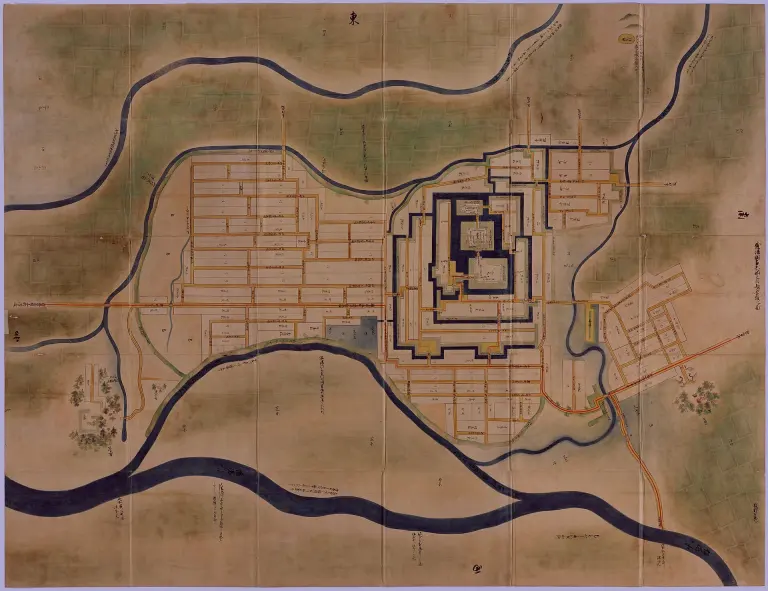
Jōkamachi are Japanese castle towns shaped by a lord’s fortress, domain administration, status groups, commerce, and regional geography.
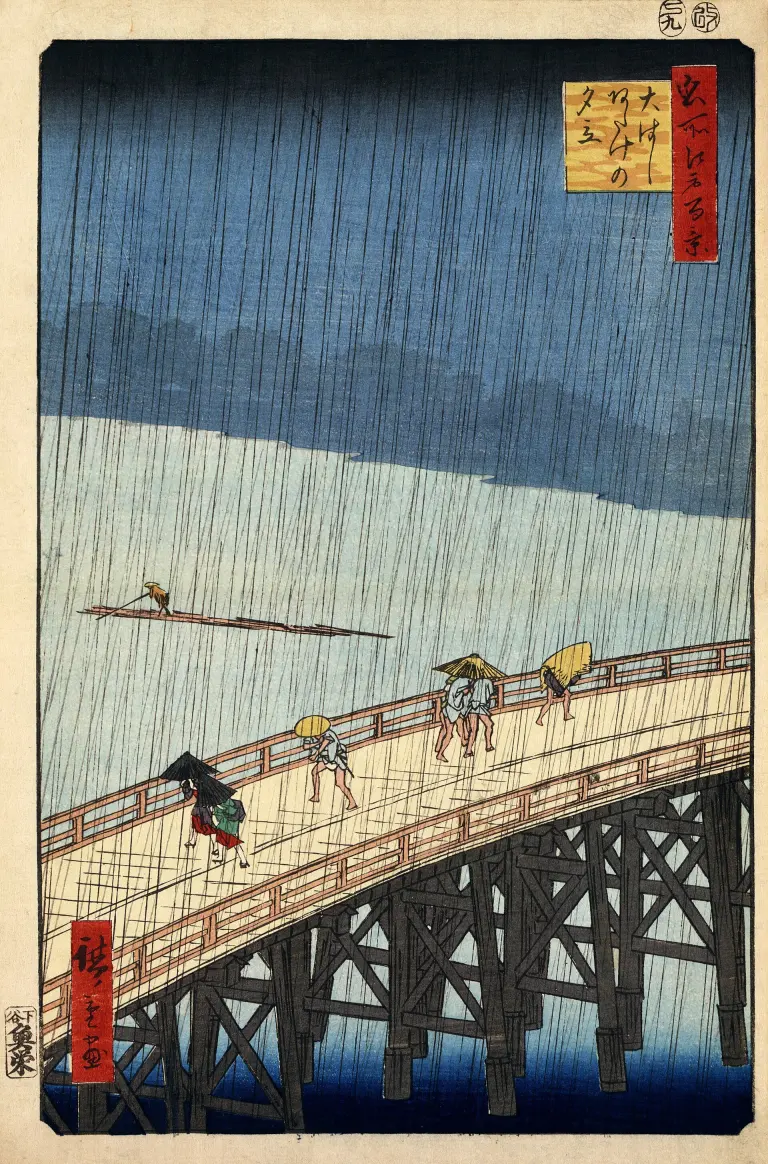
Ukiyo-e was an Edo-period visual culture of prints and paintings depicting actors, beauties, landscapes, stories, and urban life.
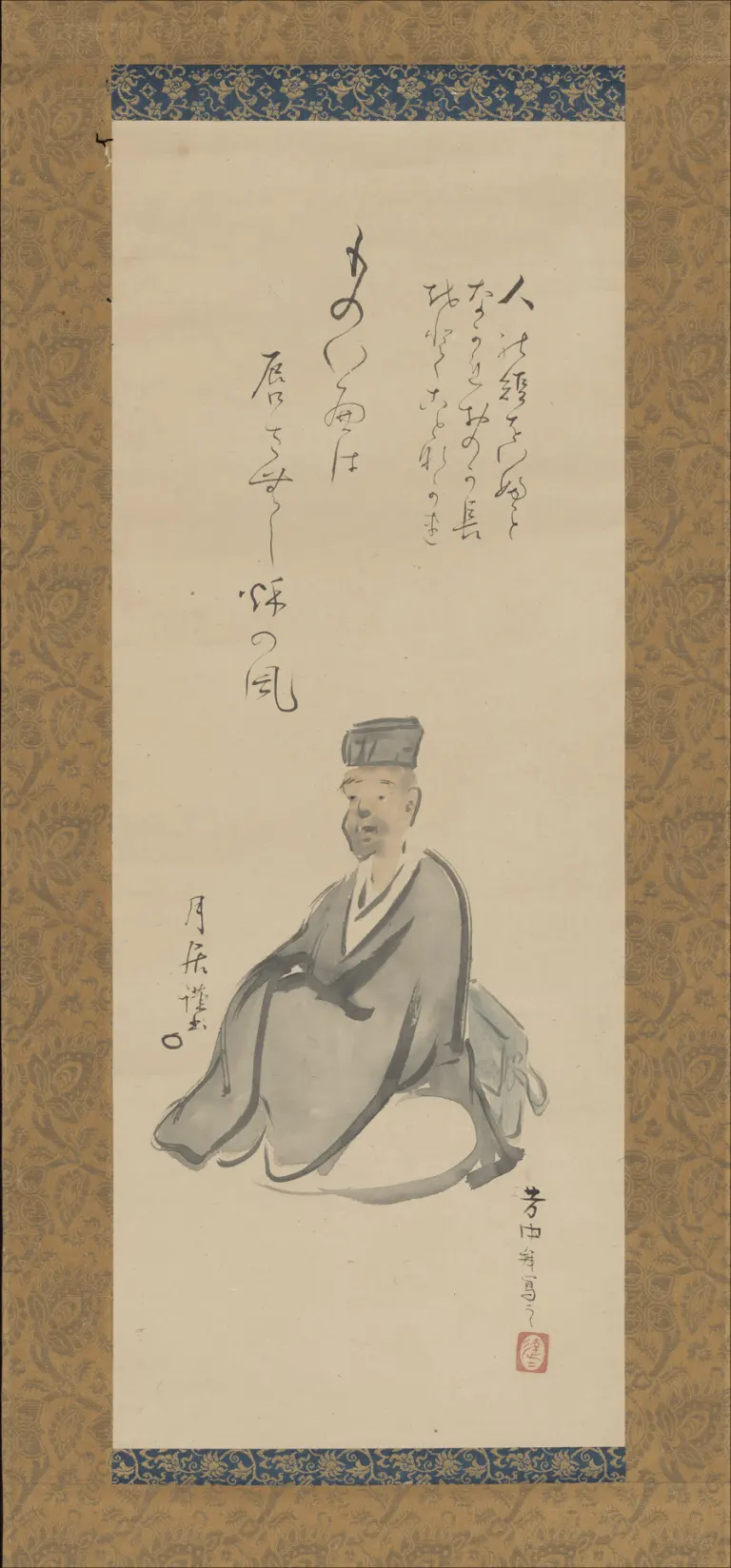
Matsuo Bashō was an Edo-period haikai master whose travel writing and hokku reshaped Japanese poetry and later haiku.
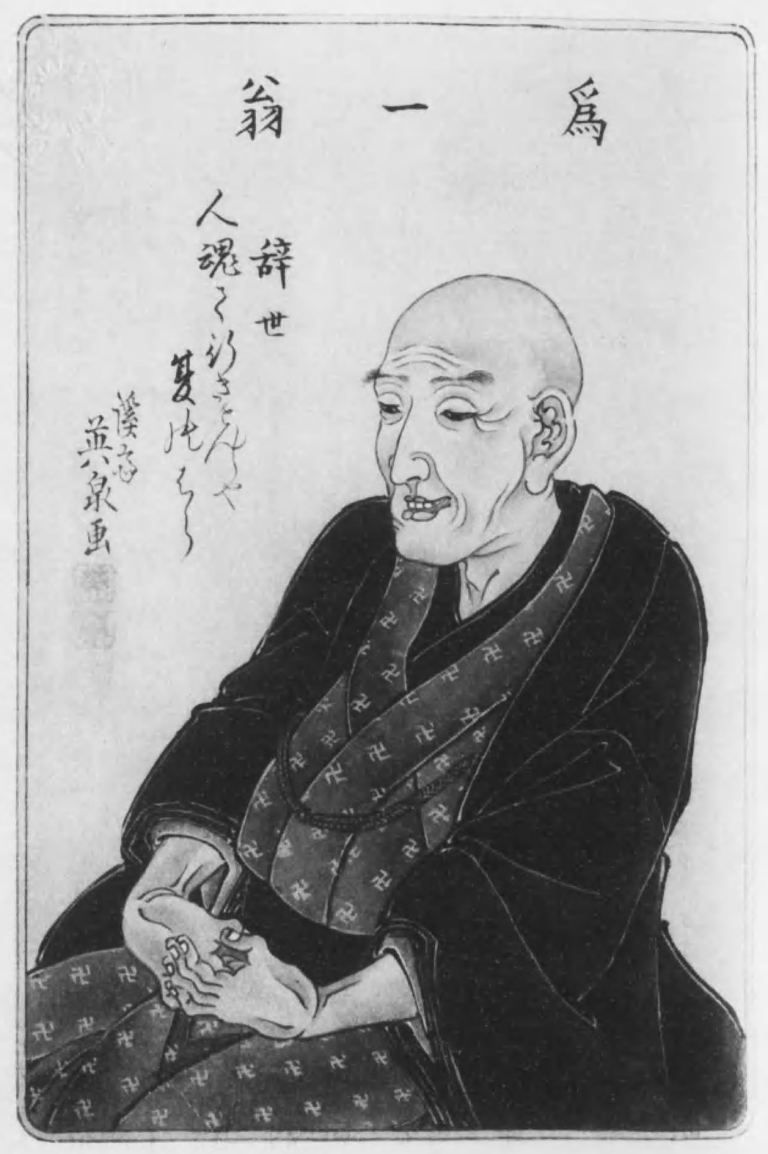
Katsushika Hokusai was an Edo artist whose prints, books, drawings, and paintings transformed landscape imagery and visual culture.
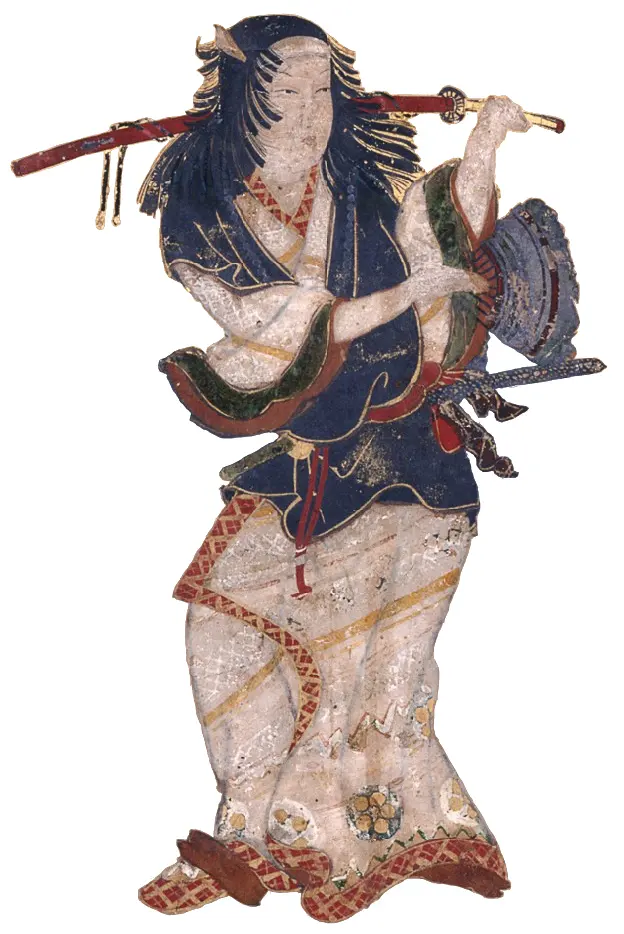
Izumo no Okuni is the early-seventeenth-century performer associated with kabuki odori and the origins of Kabuki in Kyoto.
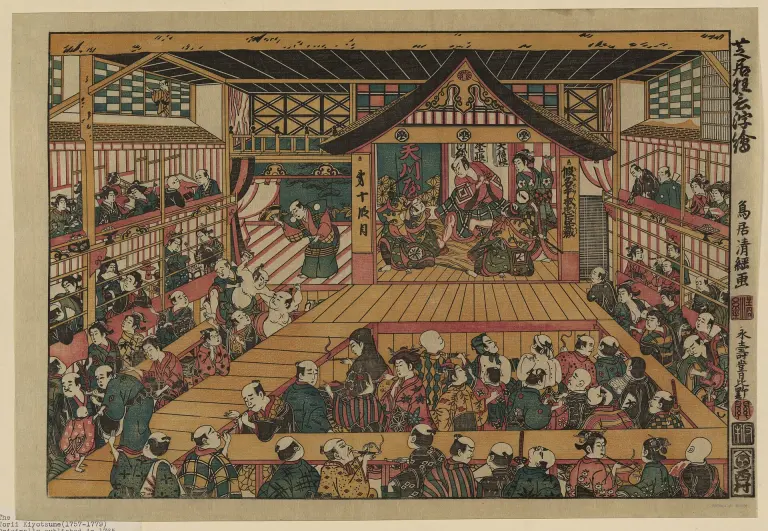
Kabuki is an Edo-period theatre tradition known for actor-centred performance, music and dance, inherited stage names, and technically inventive staging.
Shibukawa-ryū Jūjutsu is a classical martial tradition founded by Shibukawa Bangorō Yoshikata, with Sekiguchi-ryū roots and later regional branches.