
Anime
Anime Production Committee
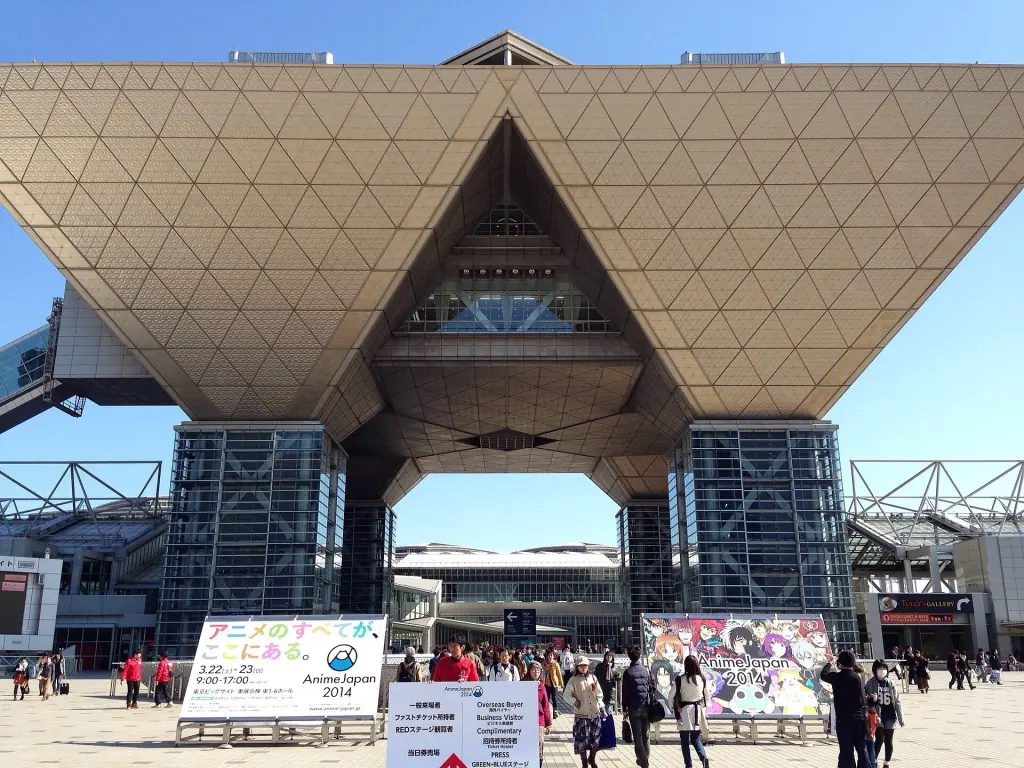
Image: James Dennes / Wikimedia Commons; Flickr · Creative Commons Attribution 2.0 Generic
An anime production committee (製作委員会, seisaku iinkai) is a group of companies formed to finance and commercially manage a particular animated work or series. Members may include a publisher, broadcaster, film distributor, advertising company, music label, streaming service, toy company, or an anime studio. Their agreement allocates investment, decision-making, rights, business responsibilities, and the distribution of returns. The committee is therefore not the same as the creative staff or the company performing day-to-day anime production. It is also not one universal legal entity: arrangements differ by project and may function as contractual joint ventures or voluntary partnerships. The model can spread financial risk and connect several markets, but it also makes credit, rights, revenue, and bargaining relationships more complex.
Overview
| Japanese | 製作委員会 |
|---|---|
| Romanization | Seisaku iinkai |
| Primary function | Joint financing and commercial management |
| Typical members | Publishers, broadcasters, distributors, advertising, music, streaming, and merchandise companies |
| Relationship to studio | The committee commissions production; a studio may also invest or join |
| Legal form | Defined by the project's contracts rather than one universal corporate form |
Name and credit terminology
Japanese credits often distinguish 製作, the planning, financing, rights, and business side, from 制作, the physical work of making the animation. Both can be romanized seisaku, so English translations may obscure the distinction. A committee name is commonly built from the work's title, but the exact credit does not by itself reveal every member or contractual term.
The committee is best understood as a project organization. It may operate through a lead or managing member and a joint-production agreement rather than as a permanent animation company. Different committees can use different rules even when some of the same companies participate.
Formation and members
A project may originate with an adaptation proposal, an original concept, or a company seeking content for a distribution channel. Once rights, likely audiences, budget, schedule, and release possibilities become clearer, prospective partners negotiate investments and business roles before concluding a joint-production agreement.
Members are selected for more than cash. A publisher may control adaptation rights, a broadcaster or platform may provide an exhibition window, a music company may manage recordings, and a distributor may handle theatrical or package releases. An animation studio can be a commissioned contractor, a committee investor, or both.
Financing and risk
Pooling investment reduces the amount that any one participant must provide and spreads the risk of an uncertain audience response. It can also assemble a larger project budget and connect television, cinema, streaming, publishing, music, merchandise, events, and overseas sales from the planning stage.
Risk sharing does not mean that every participant bears the same exposure. Investment shares, guaranteed fees, commissions, delivery obligations, and cost overruns are governed by contracts. Publicly visible credits rarely provide enough information to calculate who assumed a particular risk.
Rights and distribution windows
The agreement specifies how copyright interests, licences, approvals, master materials, and commercial windows will be administered. Members may receive responsibility for particular fields, such as broadcasting, streaming, music, home video, merchandise, publishing, events, or overseas licensing.
Money received from these uses is normally reduced by agreed costs and commissions before returns are distributed according to the contract, often in relation to investment shares. It is inaccurate to assume that every production committee automatically owns every right or divides all revenue in the same way.
Management and decisions
A representative or managing company may handle meetings, accounts, contracts, production tracking, publicity coordination, delivery masters, and revenue statements. Other members take responsibility for the commercial fields connected to their businesses. Major approvals may require consultation among several partners.
This structure can give a project access to specialized expertise, but many stakeholders can also lengthen decisions. Creative authority is not determined by the committee label alone: the director, producers, original rights holder, broadcaster, studio, and individual departments may hold different kinds of approval.
Studios, subcontractors, and workers
The committee commonly contracts a prime animation company to organize the production. That company may then engage specialist studios, subcontractors, and freelancers for e-konte, genga and dōga, backgrounds, colour, computer graphics, compositing, editing, or other work.
The Japan Fair Trade Commission treats clear contracts, prices, payment terms, intellectual-property provisions, and changes in scope as important fairness issues across this chain. Participation in a successful committee and payment for production services are different economic positions, although a studio may occupy both.
Advantages and criticisms
Supporters point to risk sharing, cross-industry coordination, and the ability to develop several revenue streams. The model helped many projects move forward when a single sponsor or broadcaster might not have financed the whole undertaking.
Criticism focuses on opaque agreements, fragmented accountability, slow approvals, and the possibility that production companies and creators receive fixed fees without sharing proportionately in later success. These outcomes are not inevitable; they depend on investment, bargaining power, ownership, contracts, and the business strategy of each project.
Sources
- Japan Fair Trade Commission, Guidelines for Proper Transactions in Anime Production.
- Association of Japanese Animations, Anime Industry Report 2024 Summary.
- Agency for Cultural Affairs, Copyright Policy Committee: Anime Production and Rights.
- Japanese Journal of Management Accounting, Management Accounting Issues in Production Committees.
- Japanese Journal of Animation Studies, The Production Committee System and Distribution of Returns.
Last updated:

.jpg)