Cultural Geography
Boshin War
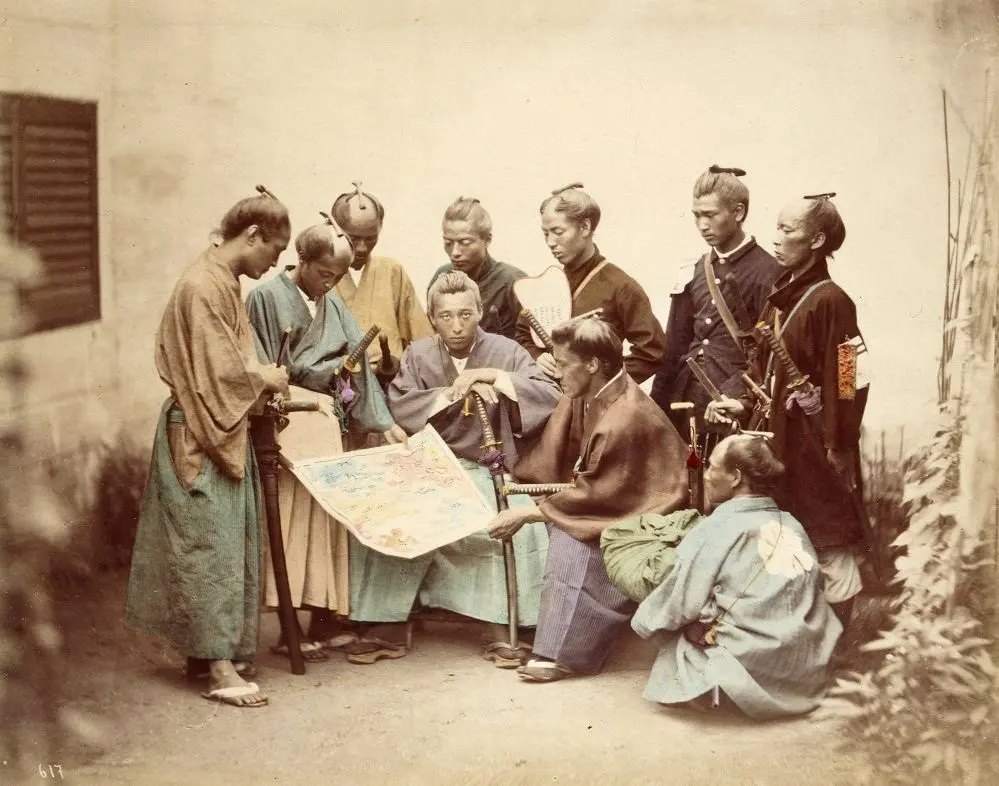
Image: Felice Beato / Wikimedia Commons · Public domain
Overview
A civil war within the Meiji Restoration.
The Boshin War (戊辰戦争, Boshin sensō) was the civil war of 1868–1869 associated with the fall of the Tokugawa shogunate and the consolidation of Japan’s new imperial government. Fighting began at Toba and Fushimi near Kyoto, continued through Edo and northern Honshū, and ended with the defeat of the remaining former-shogunate forces at Hakodate. The war was part of the broader Meiji Restoration, rather than another name for every political and social change of that period. Its history includes negotiations, shifting regional conflicts and civilian losses as well as battles. Modern archives, museums and local commemorations preserve different aspects of the conflict and its consequences.
The new government contested the Tokugawa order.
Fighting moved from Kyoto towards northern Japan.
Archives and local sites preserve different experiences.
At a glance
- Japanese name
- 戊辰戦争
- Romanisation
- Boshin sensō
- Period
- 1868–1869
- Opening campaign
- Toba–Fushimi, near Kyoto
- Final campaign
- Hakodate, including Goryōkaku
- Larger context
- The Meiji Restoration
01
The conflict concerned the shape of the new political order
The principal opposing sides were the new government, led militarily by domains including Satsuma and Chōshū, and the Tokugawa side with its allies and later surviving forces. The label “imperial” identifies the new government’s claim to authority. It should not erase the regional interests and changing circumstances of the war. Nor does the war’s end by itself describe all the subsequent reforms of the Meiji state.
02
Toba–Fushimi established the opening momentum
The National Archives records the clash at Toba and Fushimi and the new government’s victory. Its exhibition highlights the imperial brocade standard, which gave visible form to the government army’s authority. The surviving archival scrolls illustrating the flags are meticulous later reproductions commissioned in 1888, not battle photographs. The distinction matters when using them as evidence.
03
The fighting moved east and then north
The National Archives summarises the war as a sequence encompassing the surrender of Edo Castle, fighting at Ueno, the Hokuetsu and Tōhoku campaigns, and the final defeat at Hakodate. The table follows this broad sequence without suggesting a single uninterrupted front.
Early 1868
- Place
- Toba and Fushimi
- Significance
- Victory for the new government in the opening fighting.
1868
- Place
- Edo and Ueno
- Significance
- Castle surrender followed by further resistance and combat.
1868
- Place
- Northern Honshū
- Significance
- The Hokuetsu and Tōhoku campaigns continued the war.
1869
- Place
- Hakodate
- Significance
- Remaining former-shogunate forces were defeated.
04
Regional records reveal the burden on communities
Tochigi Prefecture’s account describes fighting around strategic Utsunomiya and Mibu castles and emphasises the damage suffered by farmers, alongside large local uprisings. These details broaden a narrative centred only on commanders. In Ueno, the Tokyo National Museum’s institutional history records the destruction of Kan’eiji buildings during the war, on land later used by the museum.
05
Hakodate marks the war’s final stage
Hakodate’s official history places the final conflict within the city’s development as a port and frontier settlement. The former-shogunate forces’ defeat in 1869 ended the war, but local remembrance continued. The Goryōkaku Festival commemorates those who died and communicates the history of the fort. A modern commemoration is evidence of historical memory, distinct from a contemporary record of the fighting.
06
Calendar conventions and later images need care
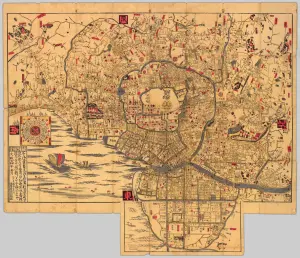
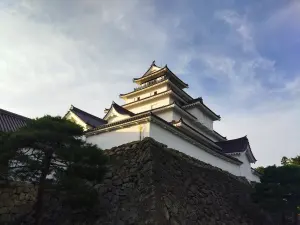
Nineteenth-century Japanese documents use the calendar then in force, so month and day labels should not automatically be read as Gregorian dates. This overview uses years and broad phases to avoid silently mixing systems. Photographs, later paintings, archival copies and modern reconstructions also need separate identification. Edo and Aizuwakamatsu provide place-specific routes into the wider history.
Sources
Last updated: