Food Culture
Senbei & Arare
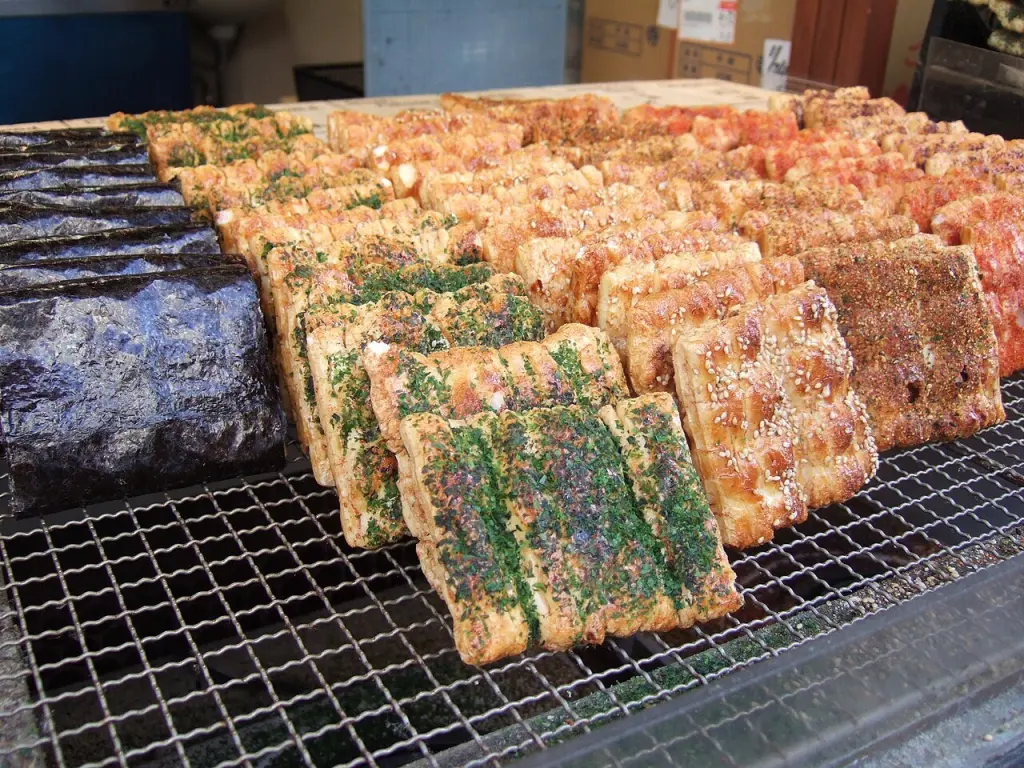
Image: Midori / Wikimedia Commons · CC BY-SA 3.0
Overview
Two rice traditions. Many ways to make a cracker.
Senbei (煎餅) and arare (あられ) are related Japanese crackers with a wide range of shapes, textures and flavours. In the usual rice-cracker classification, senbei are made with non-glutinous rice, while arare and the closely related okaki use glutinous rice. This is a useful starting point, but the broader name senbei also covers regional products made from wheat or other ingredients. Baking, frying, drying and seasoning create further differences that cannot be read from shape alone. These foods appear as everyday snacks, gifts and regional specialities, and some forms accompany seasonal celebrations. Their history connects rice cultivation and food processing with local commerce and the wider world of Japanese confectionery.
Usually made from non-glutinous rice.
Usually made from glutinous rice.
A name can preserve a local exception.
At a glance
- Japanese names
- 煎餅 · senbei; あられ · arare
- Usual senbei base
- Non-glutinous rice · uruchimai
- Usual arare base
- Glutinous rice · mochigome
- Related term
- Okaki · おかき
- Preparation
- Shaping and drying, then baking or frying
- Exception
- Not every food called senbei is made from rice
01
Begin with the grain, then examine the product
Japan’s food-composition classification groups arare made from glutinous rice and senbei made from non-glutinous rice under beika, or rice confectionery. The difference concerns the raw material, not simply whether the finished cracker is large or small. Arare and okaki belong to the glutinous-rice side of this distinction, but everyday naming is not a universal measurement standard.
Rice senbei
- Typical rice base
- Non-glutinous rice
- Useful qualification
- The broader word also includes non-rice products.
Arare
- Typical rice base
- Glutinous rice
- Useful qualification
- Often small pieces; names and forms vary.
Okaki
- Typical rice base
- Glutinous rice
- Useful qualification
- Closely related to arare; size alone is not decisive.
02
Drying and heat transform the texture
The Ministry of Agriculture’s traditional-food account describes soaking and steaming glutinous rice, making it into mochi, cooling and cutting it, then drying and heating the pieces. Seasoning follows according to the product. Controlling water content and heat changes expansion and crispness. This explains why crackers made from related ingredients can have markedly different textures.
03
Regional senbei stretch beyond rice
The same ministry describes Kanazawa’s ginger-coated Shibafune as a wheat-flour confection shaped like a brushwood-laden boat. Its coating combines ginger and sugar. This example shows why “senbei” should not automatically be translated as a precise ingredient list. The regional name, maker’s description and actual ingredients provide a more reliable identification than an English umbrella label.
04
Sōka connects a snack with local industry
Sōka City places senbei among its characteristic local industries, alongside yukata and leather production. The city’s history records the recognition of Sōka senbei as a heritage food and its soy-sauce aroma as a recognised local scent landscape. Its historical museum preserves manufacturing tools. These records offer material evidence for local production, separate from popular stories about a single inventor.
05
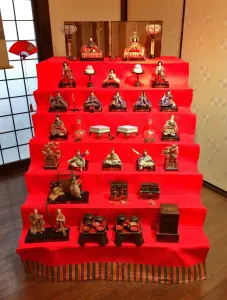
Hina-arare has regional forms
Hina-arare is associated with the doll festival, Hina Matsuri. The ministry’s account connects Kyoto rice confectionery with courtly and seasonal traditions while qualifying origin stories. Japan’s food-composition notes distinguish regional forms of hina-arare. A festival name therefore does not guarantee identical ingredients or preparation everywhere.
06
Flavour, occasion and ingredients each matter
Crackers may be chosen for an everyday snack, a gift assortment or a particular regional association. Soy sauce, seaweed, sugar and other seasonings produce different tastes. The broader Wagashi entry places them within Japanese confectionery, while Washoku explains a wider food-culture context. For the composition of a specific product, the label is more informative than the category name.
Sources
Last updated: