
Social Customs
Keirō no Hi
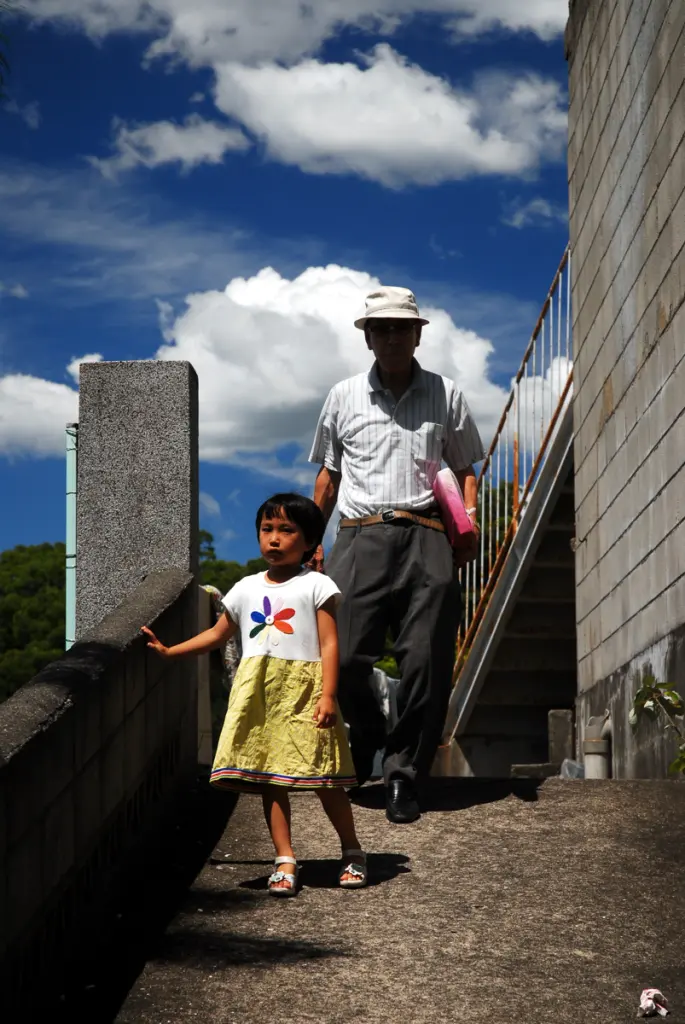
Image: Mstyslav Chernov / Unframe / Wikimedia Commons · CC BY-SA 3.0
Keirō no Hi (敬老の日), officially rendered in English as Respect for the Aged Day, is a Japanese national holiday observed on the third Monday of September. Its legal purpose is to respect older people who have contributed to society over many years and to celebrate longevity. The holiday developed from postwar local and national welfare campaigns and became a national holiday in 1966. It moved from a fixed September 15 date to a Monday schedule in 2003. Keirō no Hi has no single compulsory ritual or statutory age threshold: municipal ceremonies, family visits, gifts, school activities, media coverage, and welfare programmes vary. It should also be distinguished from Elderly Day on September 15 and from the informal holiday sequence called Silver Week.
Overview
| Japanese | 敬老の日 |
|---|---|
| Romanization | Keirō no Hi |
| Official English name | Respect for the Aged Day |
| Type | Japanese national holiday |
| Current date rule | Third Monday of September |
| National holiday since | 1966 |
| Former date | September 15, through 2002 |
| Separate observance | Elderly Day on September 15 and Elderly Week through September 21 |
Name, purpose, and date
Keirō no Hi combines keirō, respect for older people, with hi, day. The Act on National Holidays defines it as a day to respect older people who have served society for many years and to celebrate longevity. The English name Respect for the Aged Day is widely used in official holiday lists.
Since 2003, the holiday has fallen on the third Monday of September. This date rule guarantees a three-day weekend for many people on standard Monday-to-Friday schedules, but it does not mean every employee, school, shop, hospital, or transport service closes in the same way.
From Nomadani to a national campaign
Taka Town in Hyōgo Prefecture traces the observance to a village-sponsored gathering held in the former Nomadani village on September 15, 1947. Its local history credits village leader Kadowaki Masao with promoting a day for respecting older residents in the difficult postwar period.
The Cabinet Office describes the 1947 event as an impetus for wider action. Hyōgo promoted Toshiyori no Hi, or Day for Older People, in 1950, and the Central Council of Social Welfare called for a national movement in 1951. A local-origin account and the later nationwide campaign are connected stages, not evidence that one ceremony instantly created the national holiday.
National holiday from 1966
September 15 became Rōjin no Hi, or Elderly Day, under the Elderly Welfare Act in 1963. A 1966 amendment to the Act on National Holidays then established Keirō no Hi as a national holiday. Diet proceedings show lawmakers discussing gratitude for the long social contribution of older people and concern for security in later life.
The statutory holiday belongs to postwar social policy and civic commemoration. Later stories that tie September 15 directly to Prince Shōtoku or an ancient institution circulate in popular explanations, but they should not replace the documented twentieth-century legislative history.
The Happy Monday reform
For decades Keirō no Hi remained fixed on September 15. Holiday-law reform moved it to the third Monday beginning in 2003 as part of the Happy Monday system, which rearranged several holidays to create recurring long weekends.
The move separated the national holiday from its old calendar date. In response to that distinction, the amended Elderly Welfare Act retained September 15 as Elderly Day and the period through September 21 as Elderly Week. A year can therefore contain a fixed welfare observance and a movable national holiday on different dates.
Elderly Day and Elderly Week
Elderly Day and Elderly Week support public understanding of welfare, participation, health, and the place of older people in society. National organisations and local authorities may use the week for campaigns, information, awards, or community activities.
These programmes are related to Keirō no Hi but legally and administratively distinct from the national holiday. The word elderly also has no single age boundary across pensions, health care, municipal gifts, surveys, and ceremonial invitations; each programme may define eligibility differently.
Family, community, and public practice
Families may visit, call, send cards or gifts, share meals, or arrange activities across generations. Municipalities, neighbourhood associations, schools, care facilities, shops, and broadcasters may organise their own ceremonies and campaigns. None of these practices is a single nationwide rite required by law.
The holiday can express affection and public recognition, but respectful practice also requires attention to individual wishes. Treating all older people as frail, dependent, or culturally identical can reproduce stereotypes even when the intention is celebratory.
Respect, longevity, and social policy
Longevity Culture in Japan places this public observance alongside named age celebrations, family and community relationships, and auspicious imagery.
Keirō no Hi places longevity and social contribution in public language. It also sits within debates about healthy ageing, care work, pensions, employment, accessibility, isolation, and participation. A holiday ceremony cannot by itself resolve those institutional questions.
The holiday's legal wording reflects the period in which it was enacted. Contemporary discussion increasingly distinguishes respect for people from assumptions based only on age and recognises older adults as workers, carers, volunteers, family members, consumers, and political participants as well as recipients of support.
Silver Week and autumn observances
Because Keirō no Hi moves between September 15 and 21, it can align with Autumnal Equinox Day and weekends to form Silver Week. The longer sequence is a calendar effect, not an expansion of Keirō no Hi's legal meaning.
The equinox also falls within Higan, while September contains older seasonal customs such as Chōyō no Sekku. These observances can appear close together without sharing one origin, doctrine, or prescribed practice.
Sources
- Cabinet Office, National Holidays in Japan.
- Government Public Relations Online, Japan's National Holidays in 2026.
- Cabinet Office, Elderly Day and Elderly Week Campaign.
- Taka Town, Respect for the Aged Day: Inheriting a Spirit of Respect.
- National Diet Library, House of Councillors Committee Proceedings, 7 May 1965.
- National Diet Library Collaborative Reference Database, Establishment of Respect for the Aged Day.
Last updated:


_Nagasaki,_Nagasaki_Prefecture,_island_of_Kyushu,_Japan..jpg)