
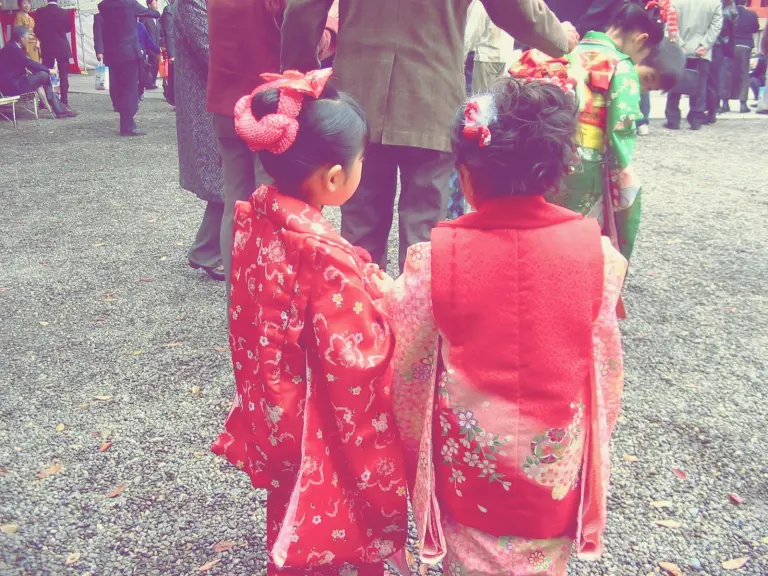
Shichi-Go-San
Shichi-Go-San is a family observance around November 15 that marks children’s growth at ages three, five, and seven through shrine visits and commemoration.
Shichi-Go-San is a family observance around November 15 that marks children’s growth at ages three, five, and seven through shrine visits and commemoration.
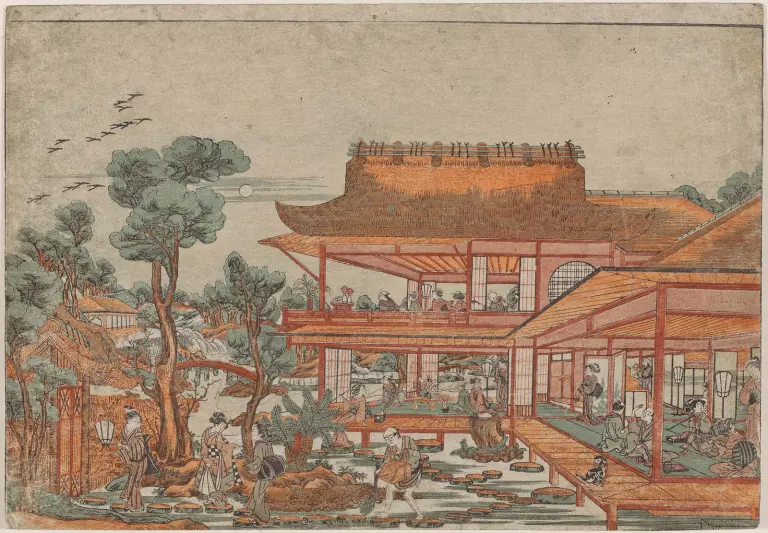
Tsukimi is Japan’s autumn moon-viewing custom, joining courtly poetry and reflected moonlight with offerings of dumplings, grass, and harvest produce.
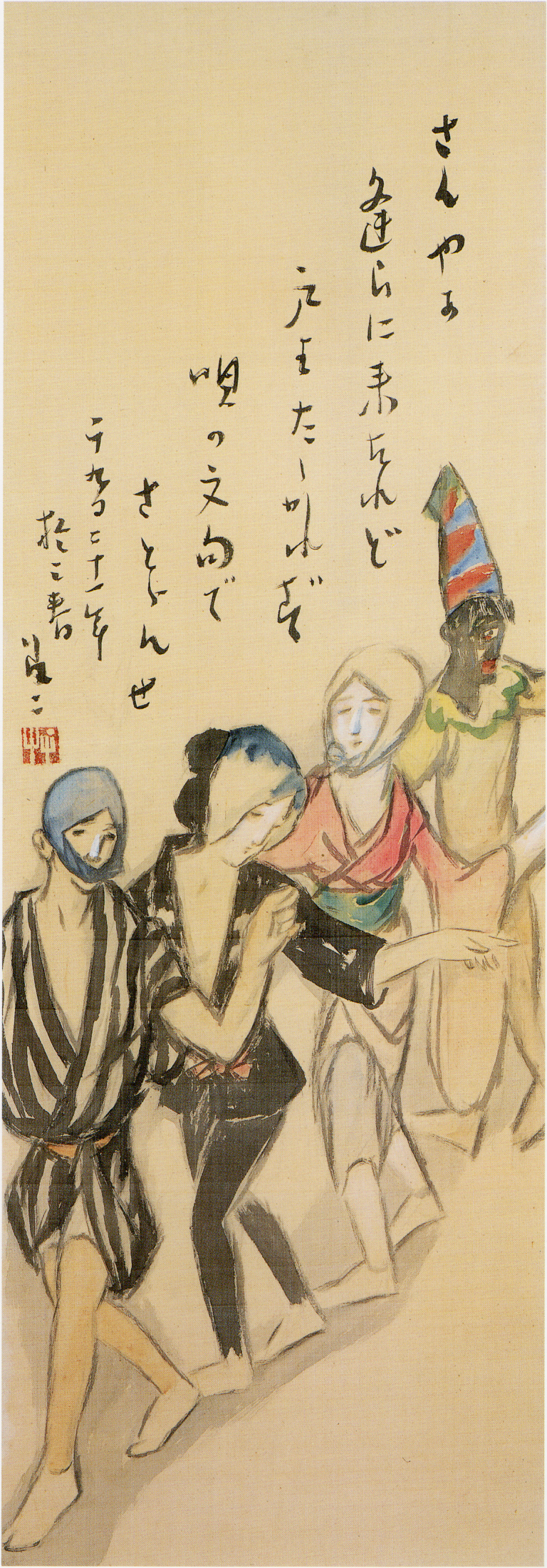
Obon is a summer period for welcoming, honouring, and sending off ancestral spirits through household, temple, cemetery, fire, and dance practices.
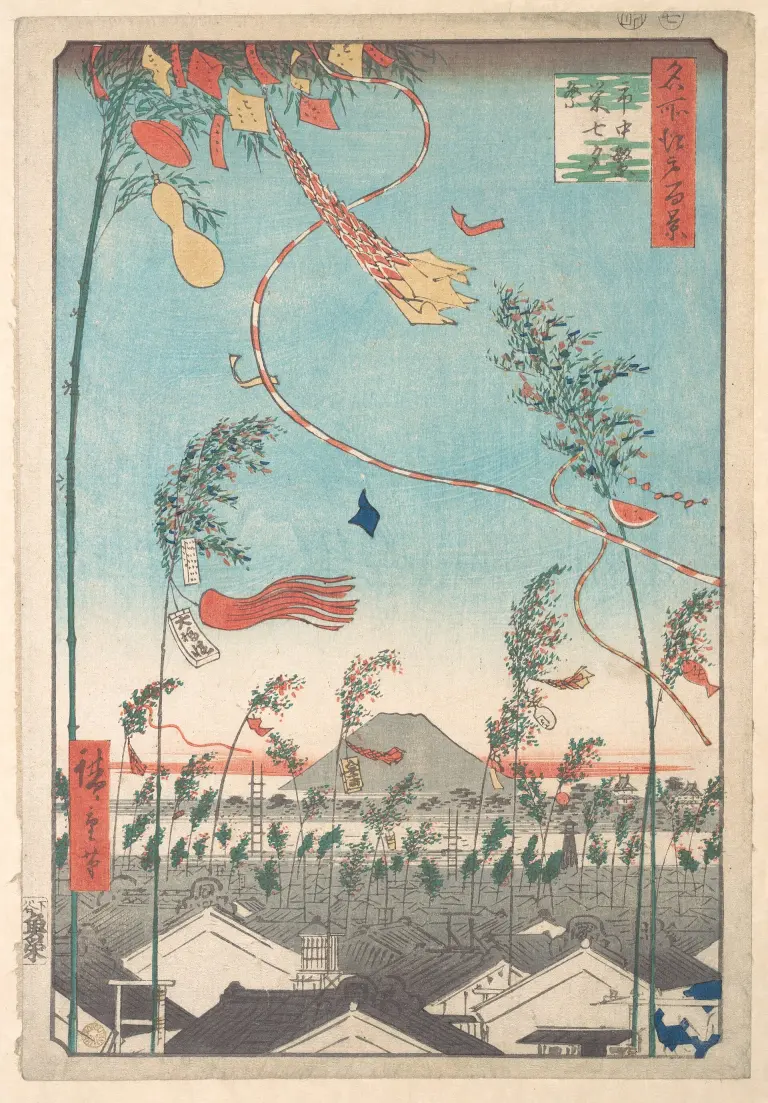
Tanabata is Japan’s star festival, joining the Vega–Altair legend with writing wishes, bamboo decorations, seasonal craft, and regional summer events.
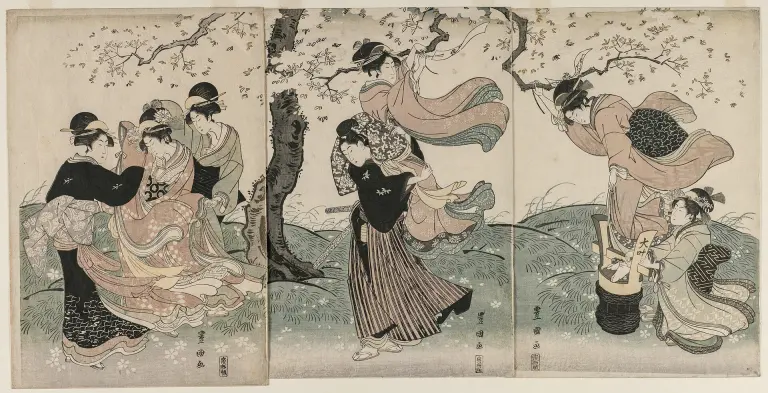
Hanami is the Japanese practice of viewing seasonal blossoms, now especially associated with gatherings beneath flowering cherry trees.
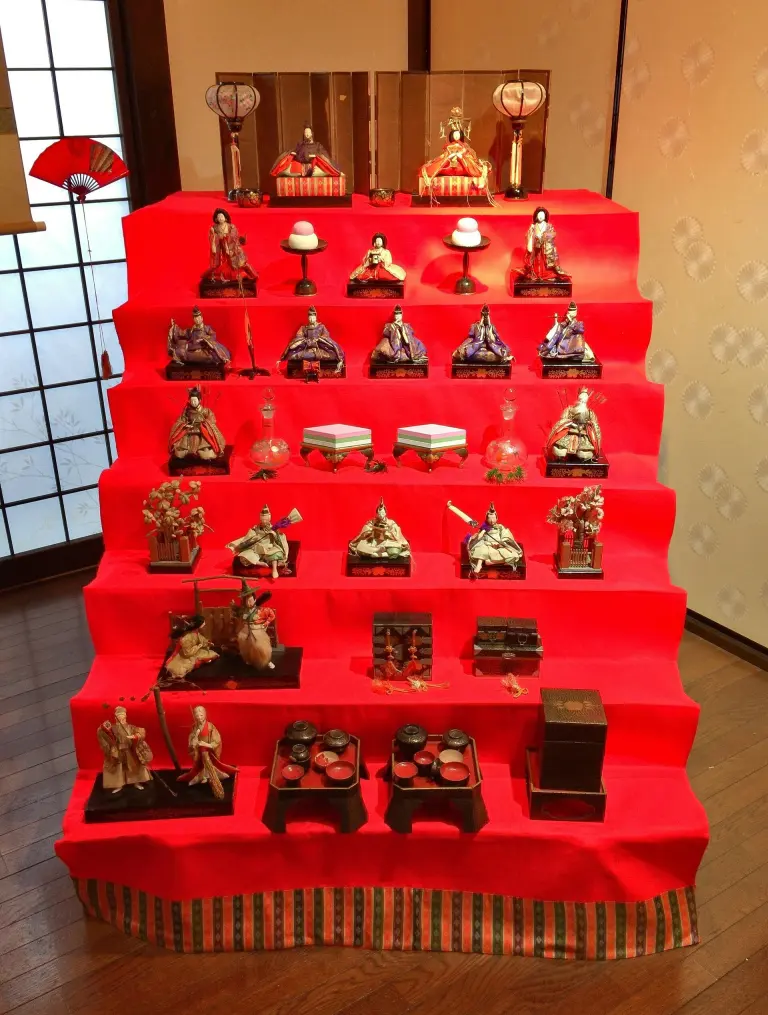
Hina Matsuri is the March 3 doll festival in which families display courtly dolls and wish for children’s health and wellbeing.
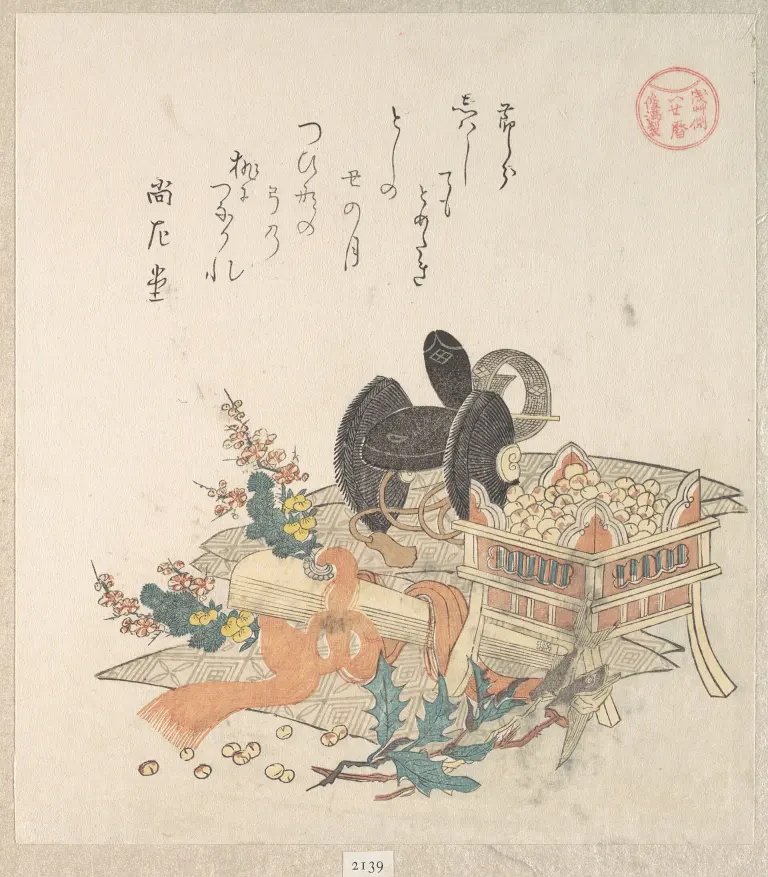
Setsubun marks a seasonal boundary in Japan through bean throwing, words of expulsion and welcome, and diverse household and public customs.