
Momijigari
Autumn-leaf viewing connects seasonal outings with poetry, painting and performance; its timing follows local foliage rather than a fixed national date.
Autumn-leaf viewing connects seasonal outings with poetry, painting and performance; its timing follows local foliage rather than a fixed national date.
Bon Odori comprises regional dances associated with Obon, joining remembrance, music and communal participation without one universal choreography.
Higanbana is the red spider lily, an autumn-flowering bulb whose seasonal cycle and local names connect botany with Japanese cultural associations.
Hadaka matsuri describes distinct local festivals involving minimally clothed participants; Saidai-ji Eyo and Kōnomiya have different religious purposes and procedures.
Awa Odori is Tokushima’s dance tradition and festival culture, performed by groups called ren and connected with Bon dancing.
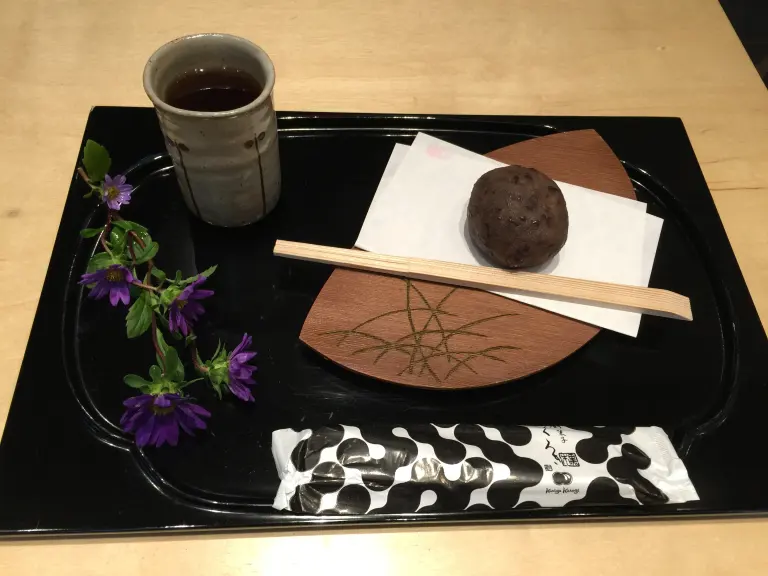
Shūbun no Hi is Japan’s Autumnal Equinox Day, linking the astronomical calendar with remembrance of ancestors and the autumn Higan observance.
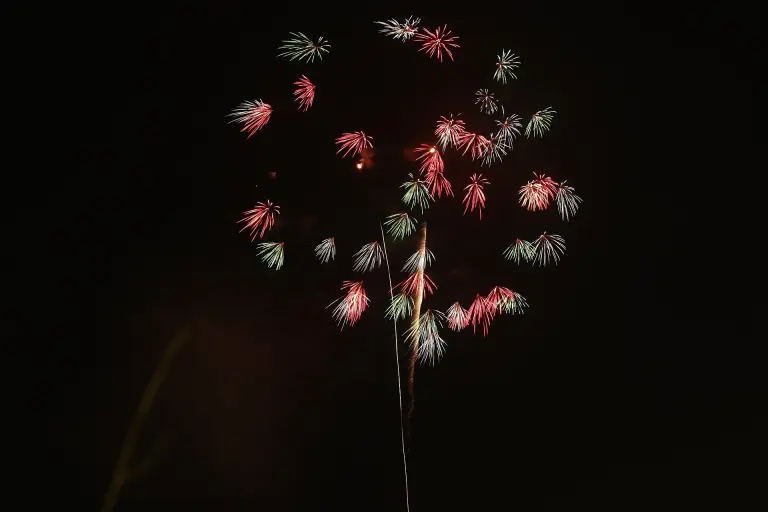
Hanabi are Japanese fireworks shaped by early modern craft, river entertainment, local dedication, summer festivals, and regional displays such as Katakai.
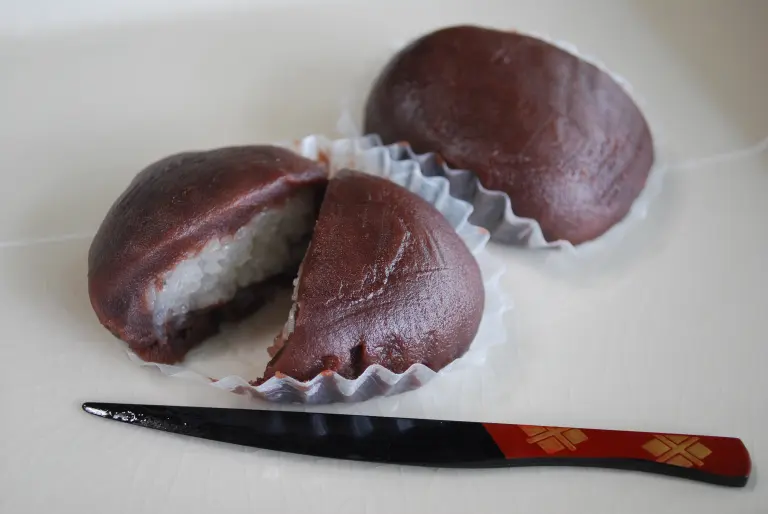
Higan is a Japanese Buddhist observance held for seven days around each equinox, joining religious practice, temple services, grave visits, and seasonal customs.
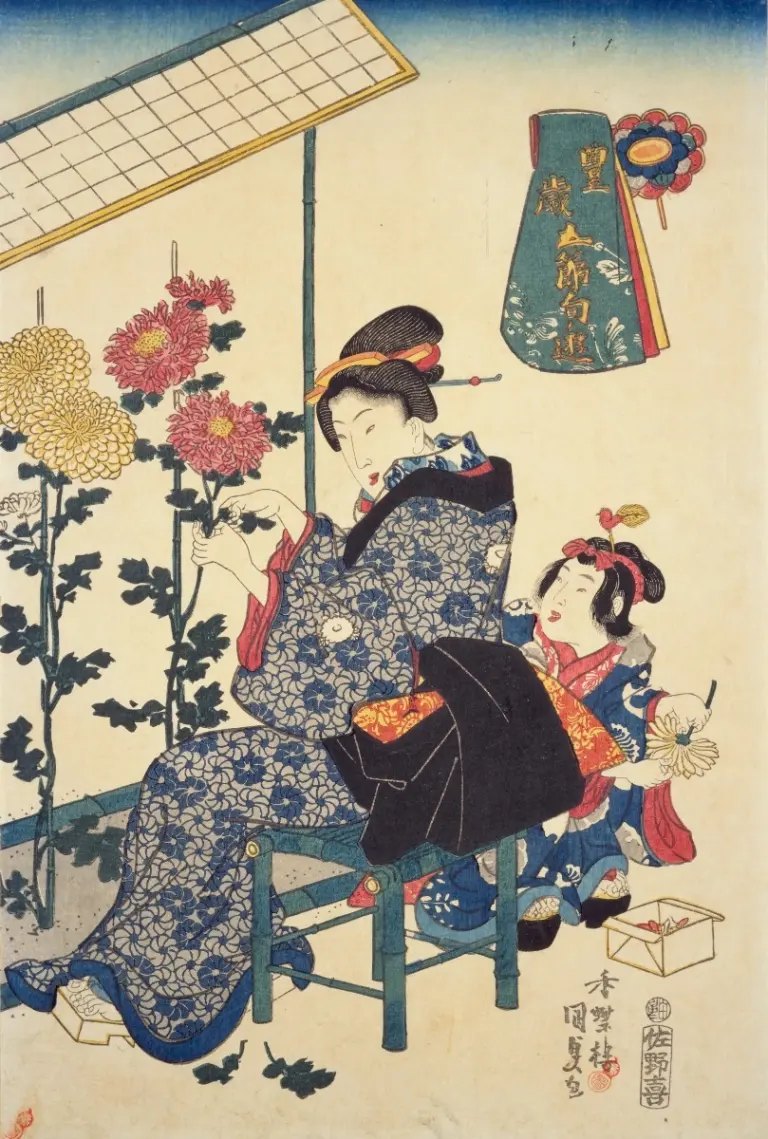
Chōyō no Sekku is Japan’s September 9 Chrysanthemum Festival, the last of the five seasonal festivals, associated with longevity, chrysanthemum sake, court ritual, and autumn observances.
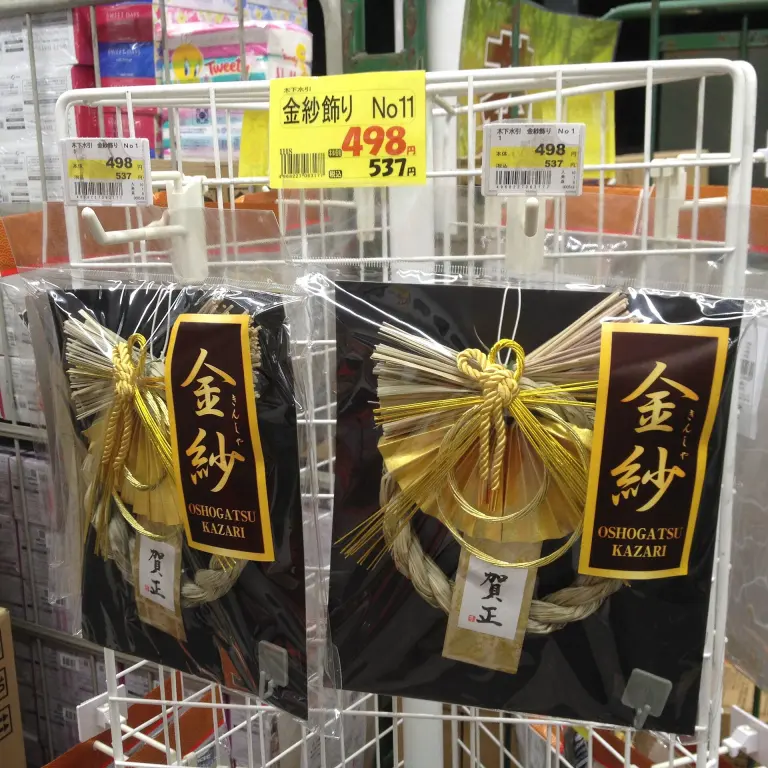
Shōgatsu is Japan’s New Year season, joining household preparations, ritual observances, visiting, food, greetings, and first activities of the year.