
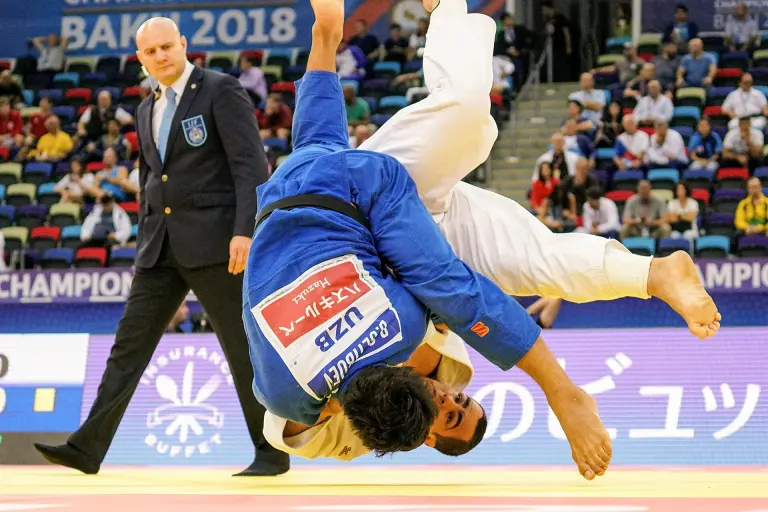
Kaeshi-waza
Kaeshi-waza are Judo counter techniques that use the timing, direction or imbalance of an opponent’s attack to produce a legal response.
Kaeshi-waza are Judo counter techniques that use the timing, direction or imbalance of an opponent’s attack to produce a legal response.
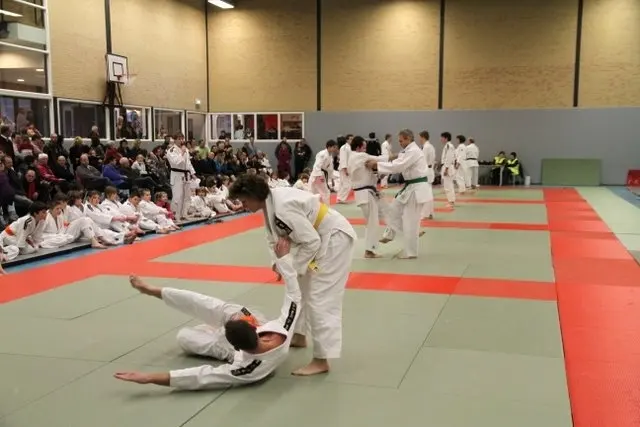
Renraku-waza are Judo combinations that connect attacks through the opponent’s changing posture and reaction rather than treating each technique in isolation.
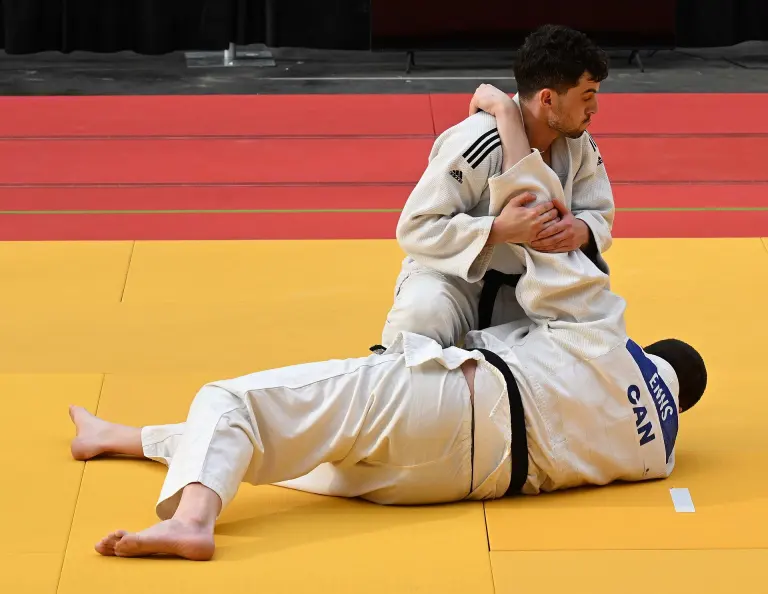
Kansetsu-waza are the ten Kodokan joint-locking techniques, whose classical syllabus is broader than the joint locks permitted in modern IJF contests.
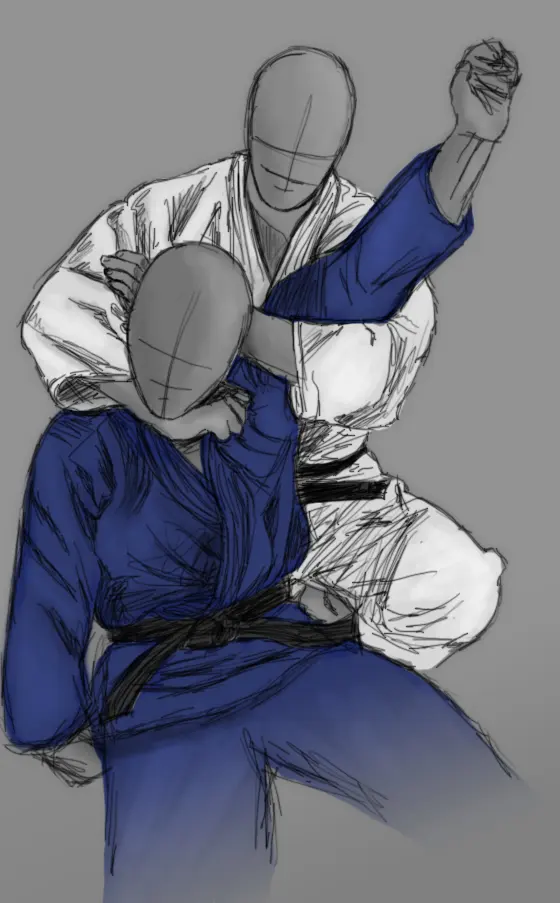
Shime-waza are the twelve Kodokan strangling techniques studied under strict training and competition safety controls.
Osaekomi-waza are the ten Kodokan holding techniques used to control an opponent on the mat.
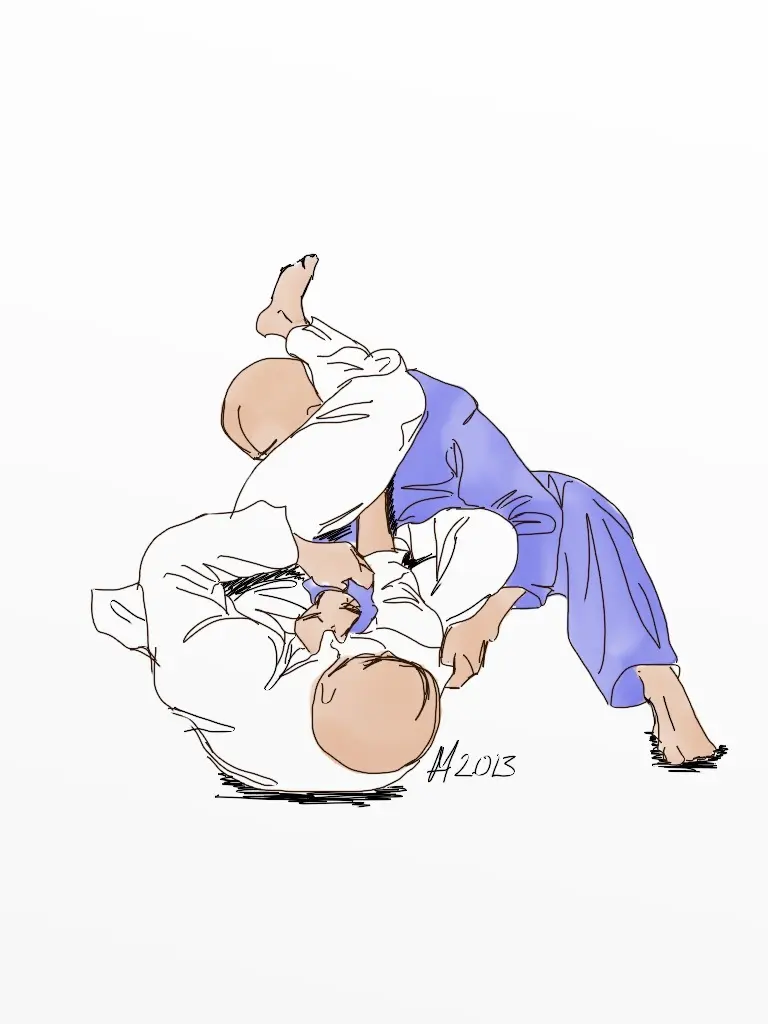
Juji-gatame is the common short name for a Kodokan elbow-locking technique formally called ude-hishigi-juji-gatame.
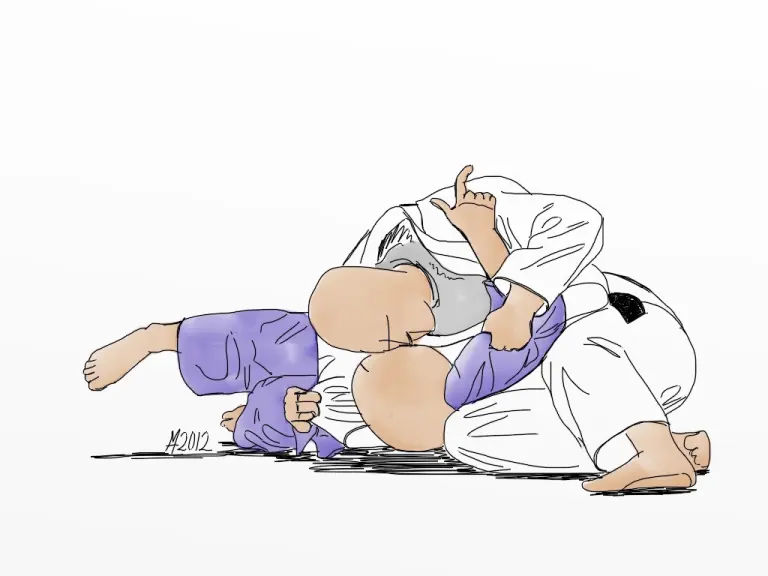
Kesa-gatame is a Kodokan osaekomi-waza that controls the upper body from a diagonal side position.
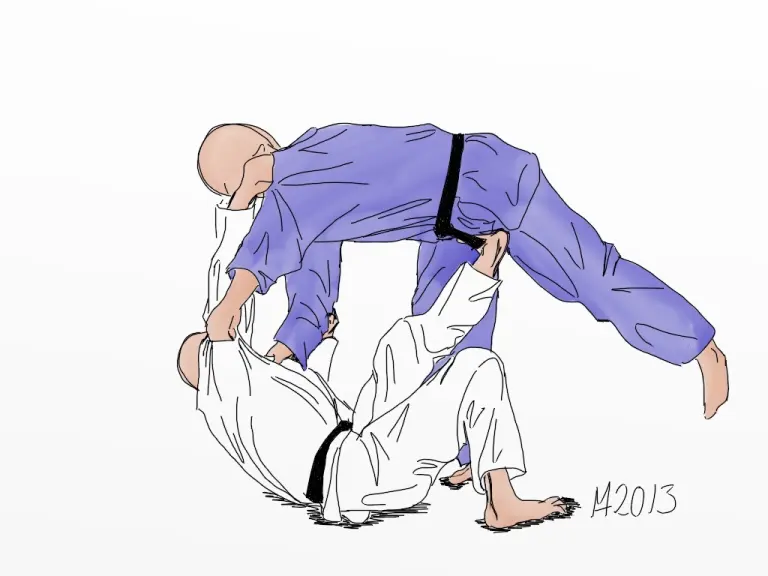
Tomoe-nage is a Kodokan ma-sutemi-waza that uses a controlled backward sacrifice to project an opponent forward.
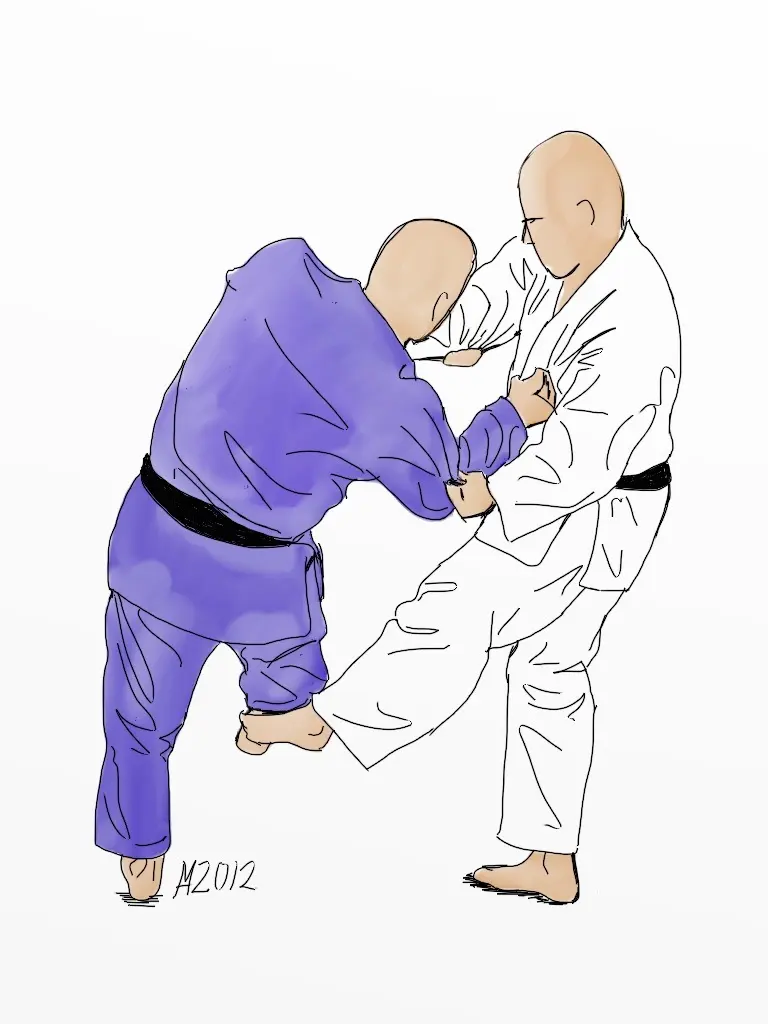
De-ashi-harai is a Kodokan ashi-waza that sweeps an advancing foot as the opponent transfers weight onto it.
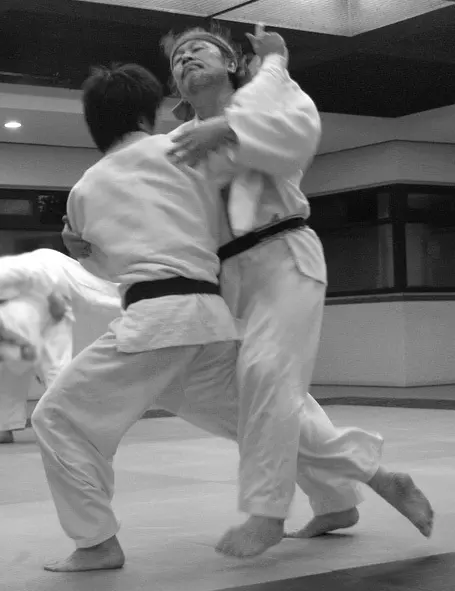
O-uchi-gari is a Kodokan ashi-waza that breaks the opponent backward and reaps the opposite leg from inside.