Anime
Kyoto Animation
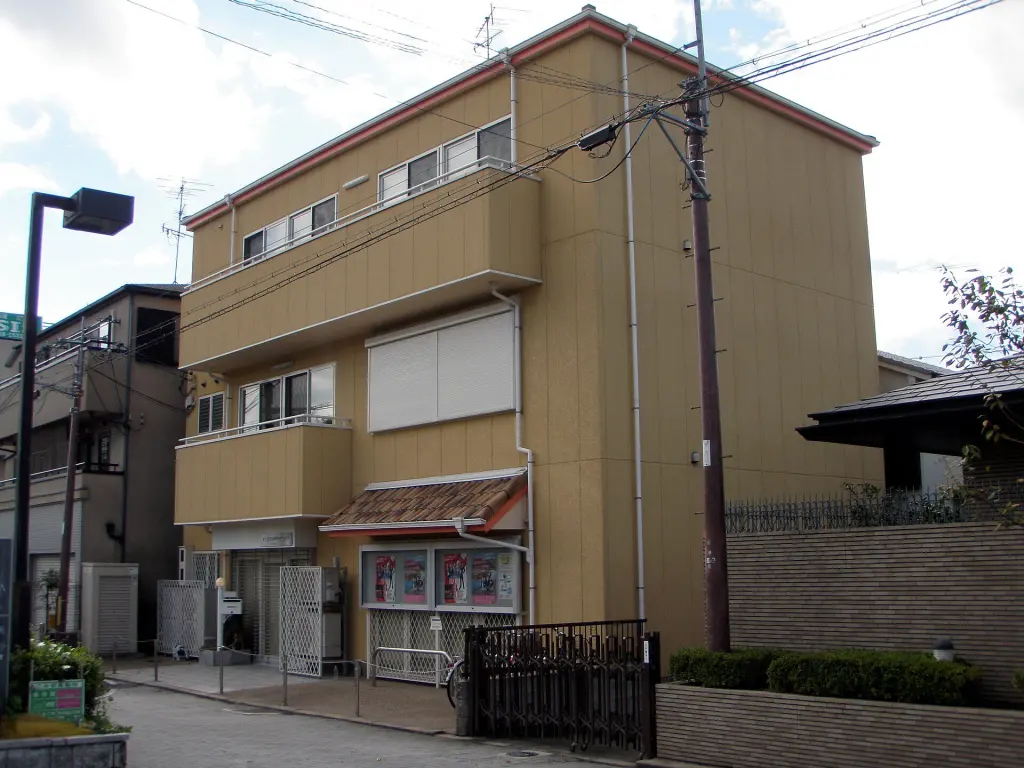
Image: Konomi / Wikimedia Commons · Public domain (released by creator)
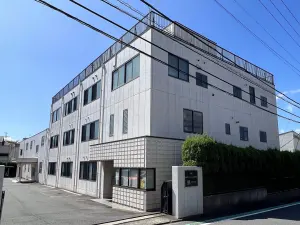
Kyoto Animation is a Japanese animation company headquartered in Uji, Kyoto Prefecture. Founded in 1981 and incorporated in 1985, it grew from finishing and subcontract work into planning and producing television series, films, original video animation, publications, and merchandise. The studio is closely associated with sustained staff training, a comparatively integrated production system, and detailed approaches to character acting, everyday space, color, and movement. Those characteristics help explain its visibility, but they should not be reduced to a single “house style” or credited only to directors: anime production is collaborative work involving animation, direction, writing, design, backgrounds, photography, sound, management, and many other roles. The company continues to produce work after the devastating 2019 arson attack on Studio 1.
Overview
| Japanese | 株式会社京都アニメーション |
|---|---|
| Romanization | Kabushiki-gaisha Kyōto Animēshon |
| Founded | 1981 |
| Incorporated | 1985 |
| Headquarters | Uji, Kyoto Prefecture |
| Fields | Animation, publishing, products, and professional training |
Founding and early work
Kyoto Animation began in 1981 under Hideaki Hatta and Yoko Hatta and became a corporation in 1985. Its location in the Kyoto–Osaka region distinguished it from an industry concentrated in Tokyo. Early business included painting, finishing, and subcontract production for other companies, building technical experience and a workforce before the studio became widely identified with productions under its own name.
Integrated production
The company brought many stages of production and staff employment into a relatively integrated organization. This can support communication, continuity, and training across projects, although outside partners and freelancers remain part of the work. It differs in degree from common project-based arrangements in the anime industry; it does not mean that every frame, decision, or right is exclusively internal.
Training and a regional base
Kyoto Animation has recruited and trained artists through in-house education and the Kyoto Animation Professional Training School. Its Uji headquarters and studios connect production to places in Kyoto and neighboring prefectures rather than to a Tokyo-only industry map. Long-term skill development is often cited in discussions of the studio, but working conditions and credits should be assessed from documented practices rather than idealized comparisons.
Works and development
The company’s credited works include Full Metal Panic? Fumoffu, The Melancholy of Haruhi Suzumiya, K-On!, Sound! Euphonium, A Silent Voice, Violet Evergarden, and Tsurune, among others. Across television and film, individual series have different source authors, directors, designers, committees, distributors, and production histories. A studio label is therefore a starting point for research, not a substitute for credits.
Visual and narrative practice
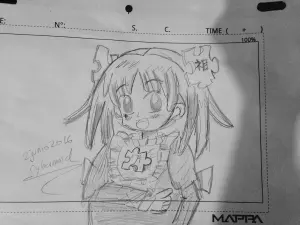
Critics and viewers often discuss Kyoto Animation through expressive character motion, close observation of gesture, designed environments, color, compositing, and the emotional use of ordinary routines. These features are produced through tools such as e-konte, layout, key animation, in-betweening, backgrounds, and photography. Their form changes across projects and creative teams rather than constituting an unvarying formula.
Publishing and rights strategy
Beyond contract animation, the company developed publishing, awards, merchandise, events, and investment in production committees. Its KA Esuma Bunko imprint supplies and promotes prose works, some of which become screen projects. Participation in planning and rights can diversify revenue and give a studio more influence over development, while adaptation still involves authors, publishers, broadcasters, music companies, distributors, and other partners in an anime production committee.
The 2019 attack
On 18 July 2019, an arson attack at Kyoto Animation’s Studio 1 killed 36 people and injured many others. The loss affected families, colleagues, audiences, and the wider animation field. The company and bereaved families have repeatedly asked that remembrance respect privacy and avoid unapproved visits to the former site. Discussion of the event should center the people and the company’s stated wishes rather than graphic detail or the attacker’s notoriety.
Recovery and continuity
Kyoto Animation resumed and completed projects while rebuilding its organization. Subsequent television and film work demonstrates continuity, but “recovery” should not imply that bereavement has ended or that the company simply returned to an earlier state. In a 2026 memorial statement, the studio described continuing to create animation as a way of carrying forward the intentions of colleagues who died.
Place in anime and cinema
Kyoto Animation is both an anime studio and a participant in Japanese cinema through its feature films and theatrical releases. Its history illuminates regional production, studio labor, training, adaptation, rights ownership, and the movement between television and film. Close attention to credits preserves the contributions of individual workers within the recognizable company identity.
Sources
- Kyoto Animation, Company Profile.
- Kyoto Animation, Works.
- Kyoto Animation, Memorial Statement, 18 July 2026.
- Kyoto Bunkyo University Repository, The Management Strategy of a Regional Animation Company.
- CiNii Research, The Management Strategy of a Regional Animation Company.
- Associated Press, Kyoto Animation arson trial and the 36 victims.
Last updated: