
Bunkai
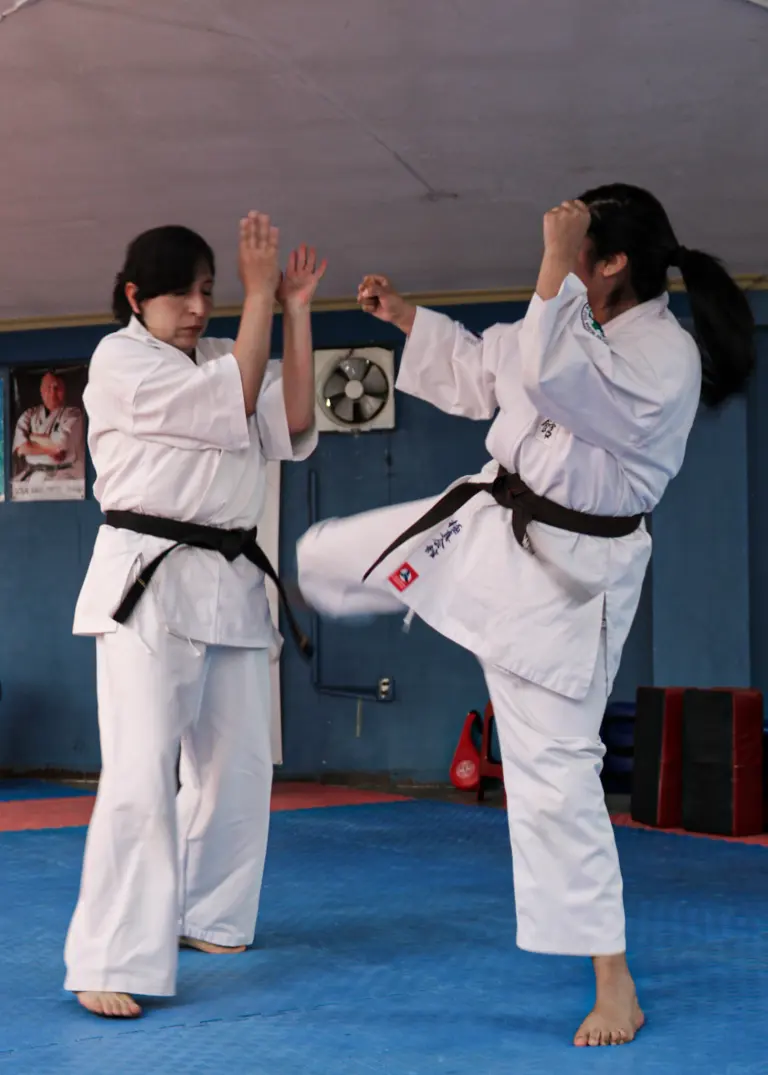
Bunkai is the analysis and interpretation of Karate kata movements, studied through explanation, partner work and adaptation rather than one universal answer.
Bunkai is the analysis and interpretation of Karate kata movements, studied through explanation, partner work and adaptation rather than one universal answer.
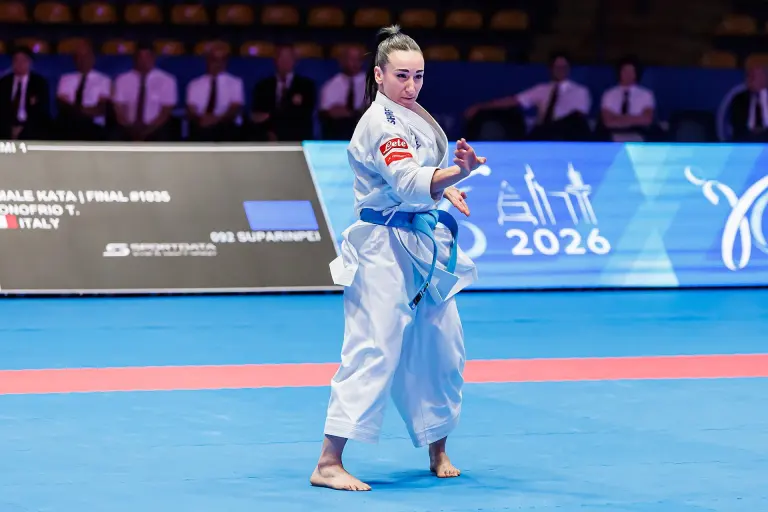
Karate kata are prescribed forms that preserve movement and tactical principles, with different names, sequences and performance methods across Okinawan and Japanese traditions.
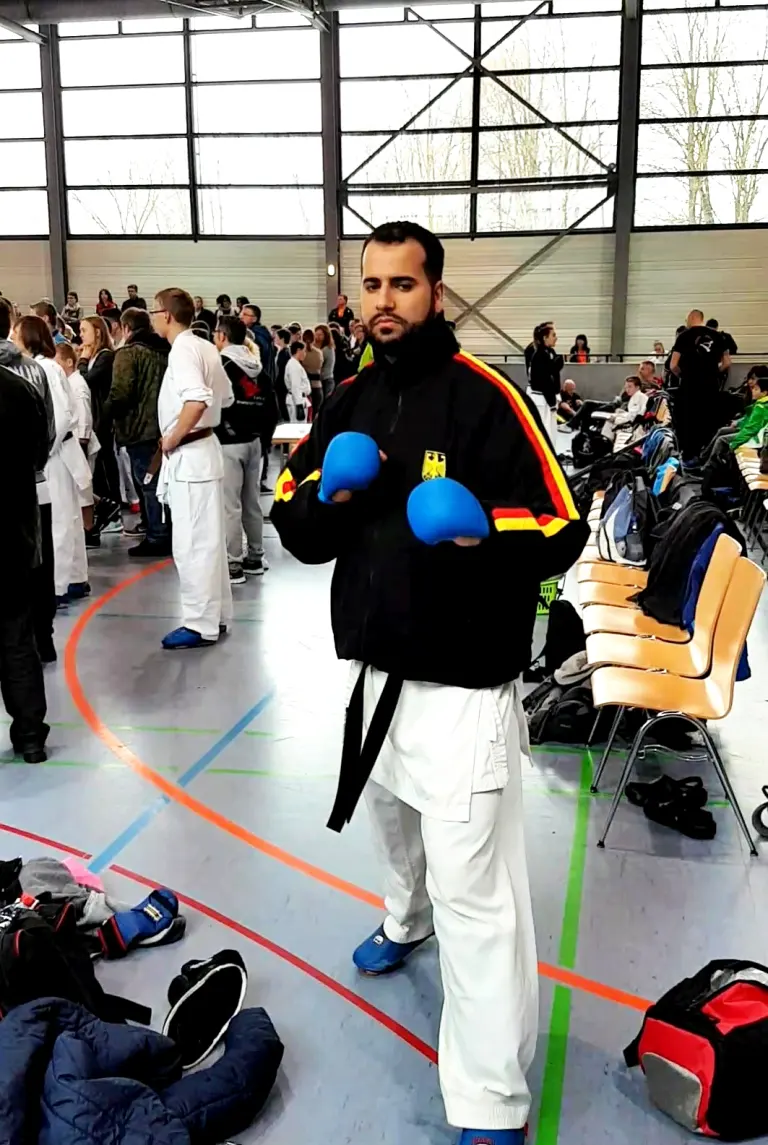
Kumite is Karate partner practice, ranging from prearranged drills to free sparring and rule-governed competition, with different methods across styles.
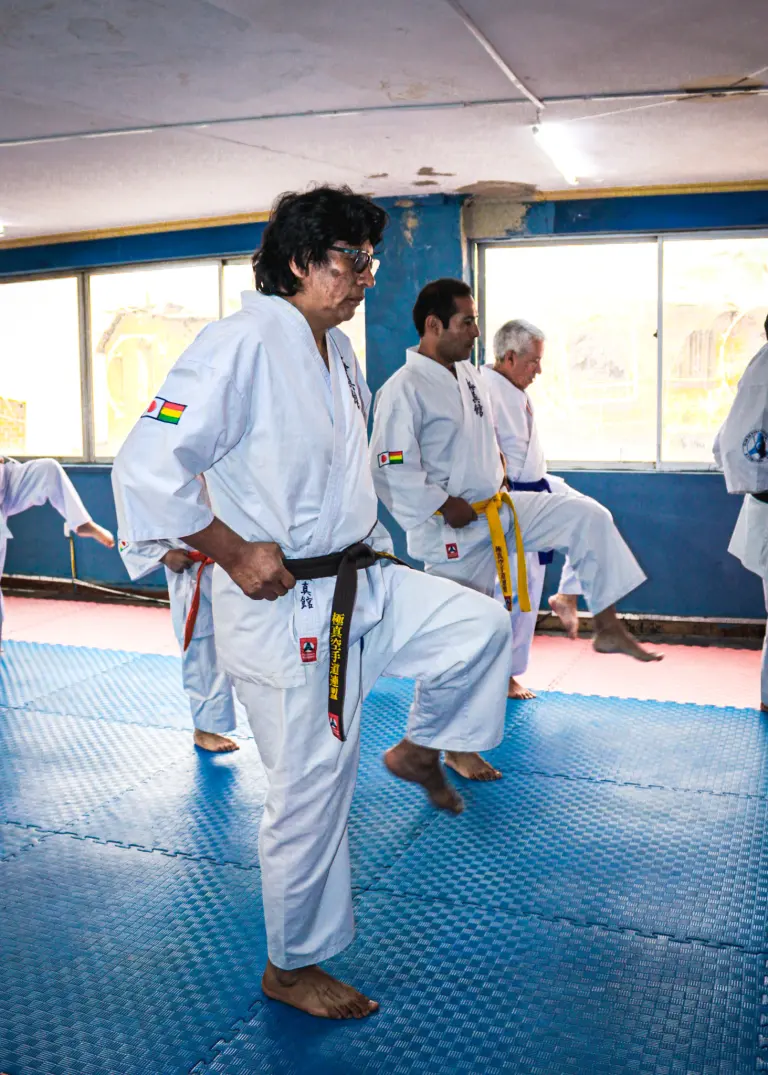
Kihon means the fundamentals of Karate, including stance, posture, movement, receiving actions, thrusts, strikes and kicks, with substantial variation among styles.
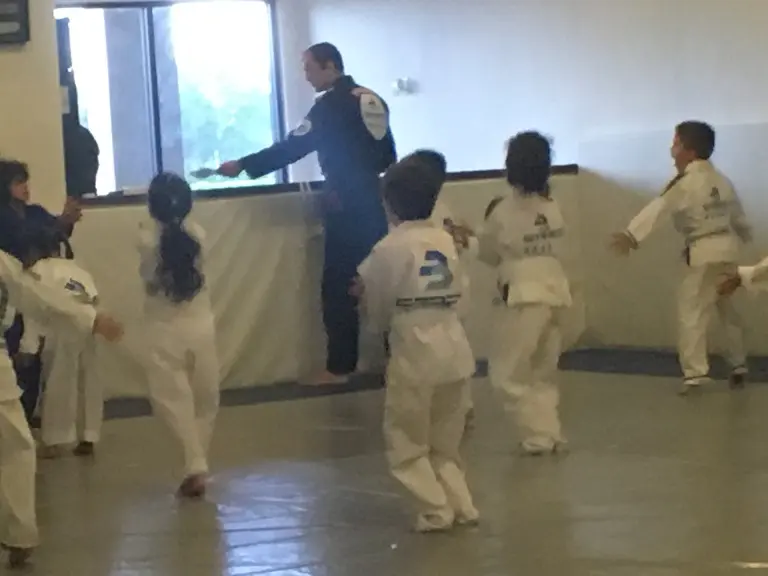
Karate terminology covers Japanese names for people, ranks, training, techniques, kata, kumite, distance and competition, including important differences among traditions.

Judo manga and anime have represented Japanese dojo, school clubs, competition and women’s Judo through changing genres from the postwar period onward.
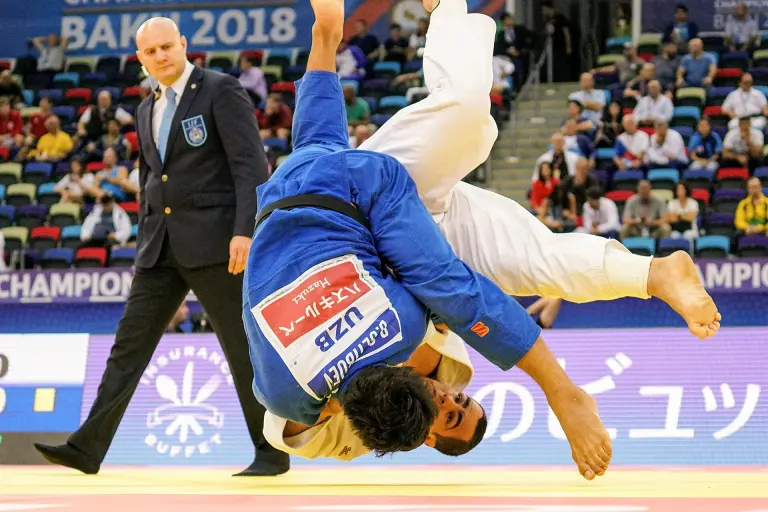
Kaeshi-waza are Judo counter techniques that use the timing, direction or imbalance of an opponent’s attack to produce a legal response.
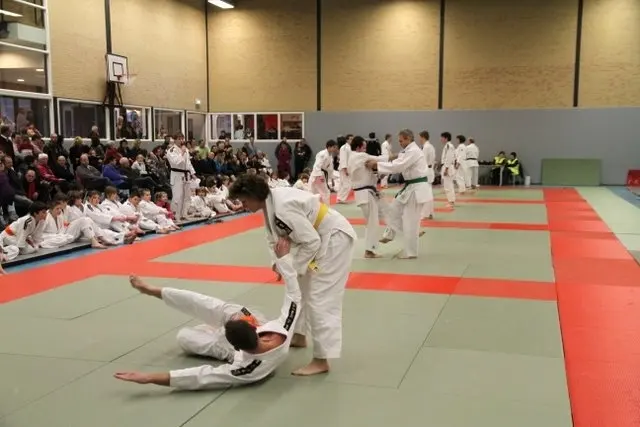
Renraku-waza are Judo combinations that connect attacks through the opponent’s changing posture and reaction rather than treating each technique in isolation.
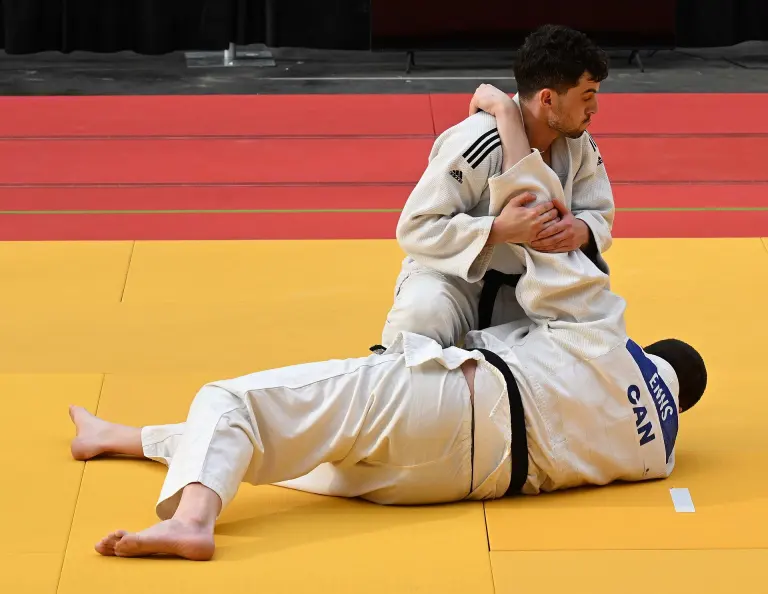
Kansetsu-waza are the ten Kodokan joint-locking techniques, whose classical syllabus is broader than the joint locks permitted in modern IJF contests.
Osaekomi-waza are the ten Kodokan holding techniques used to control an opponent on the mat.