
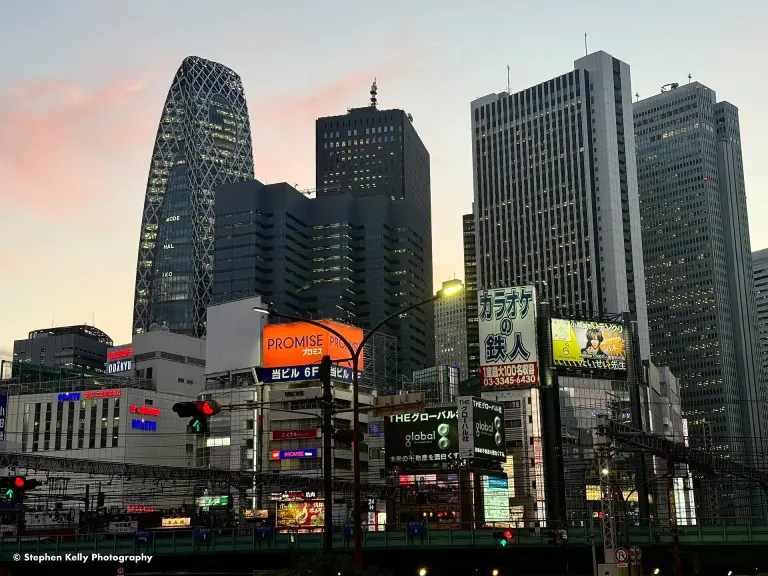
Shinjuku
A cultural and historical guide to Shinjuku as a Tokyo special ward, transport center, business district, entertainment landscape, and diverse residential city.
A cultural and historical guide to Shinjuku as a Tokyo special ward, transport center, business district, entertainment landscape, and diverse residential city.

Hiroshima is a river-delta city whose castle-town, military, atomic-bombing, reconstruction, and peace histories remain visible together.
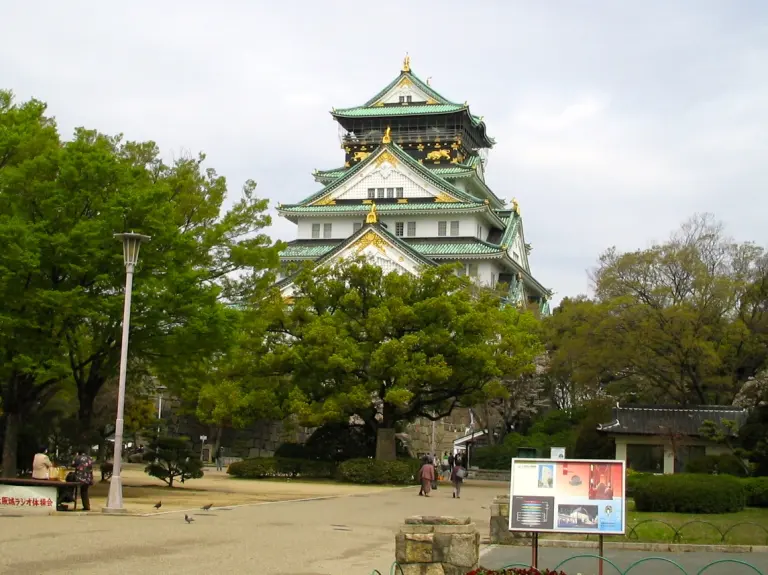
Osaka is a historic port and merchant metropolis shaped by Naniwa, waterways, Osaka Castle, industry, food culture, and performance.
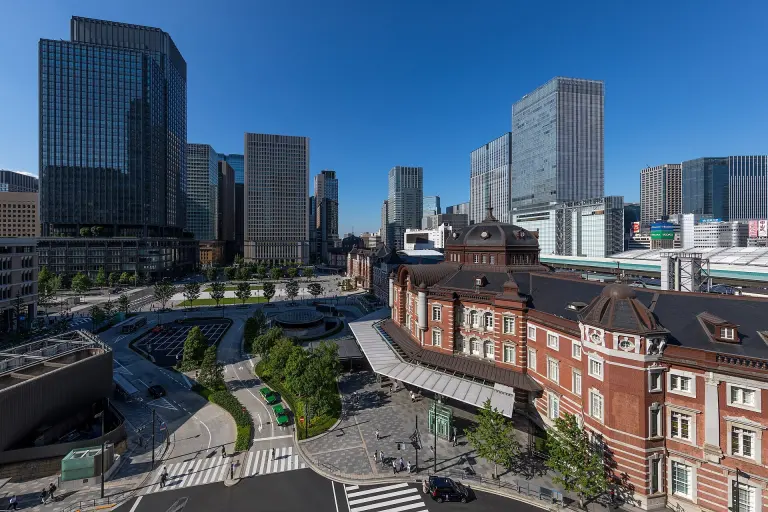
Tokyo is Japan’s capital metropolis, shaped by the transformation of Edo, repeated rebuilding, layered neighborhoods, and global urban life.
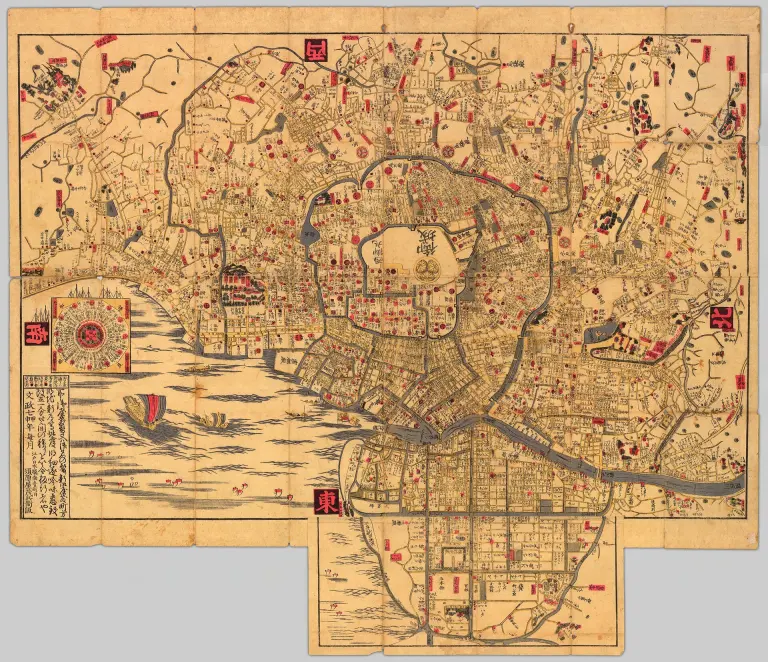
Edo was the Tokugawa shogunate’s castle city and political center, renamed Tokyo in 1868 after centuries of urban growth.
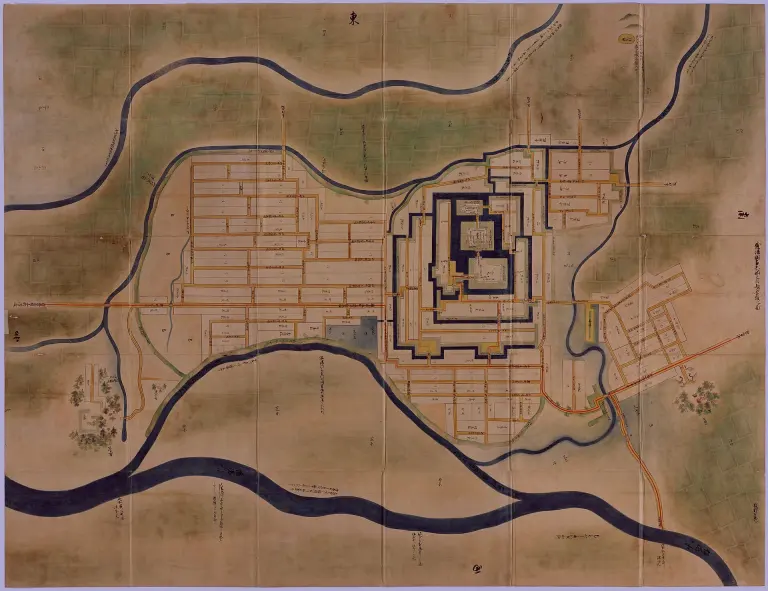
Jōkamachi are Japanese castle towns shaped by a lord’s fortress, domain administration, status groups, commerce, and regional geography.
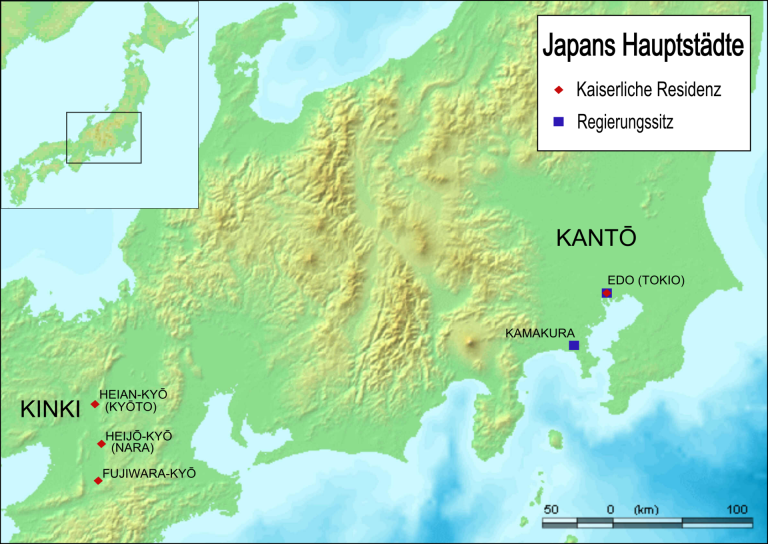
Japan’s historic capitals include planned court cities and later centers of warrior government, whose political roles did not always coincide.
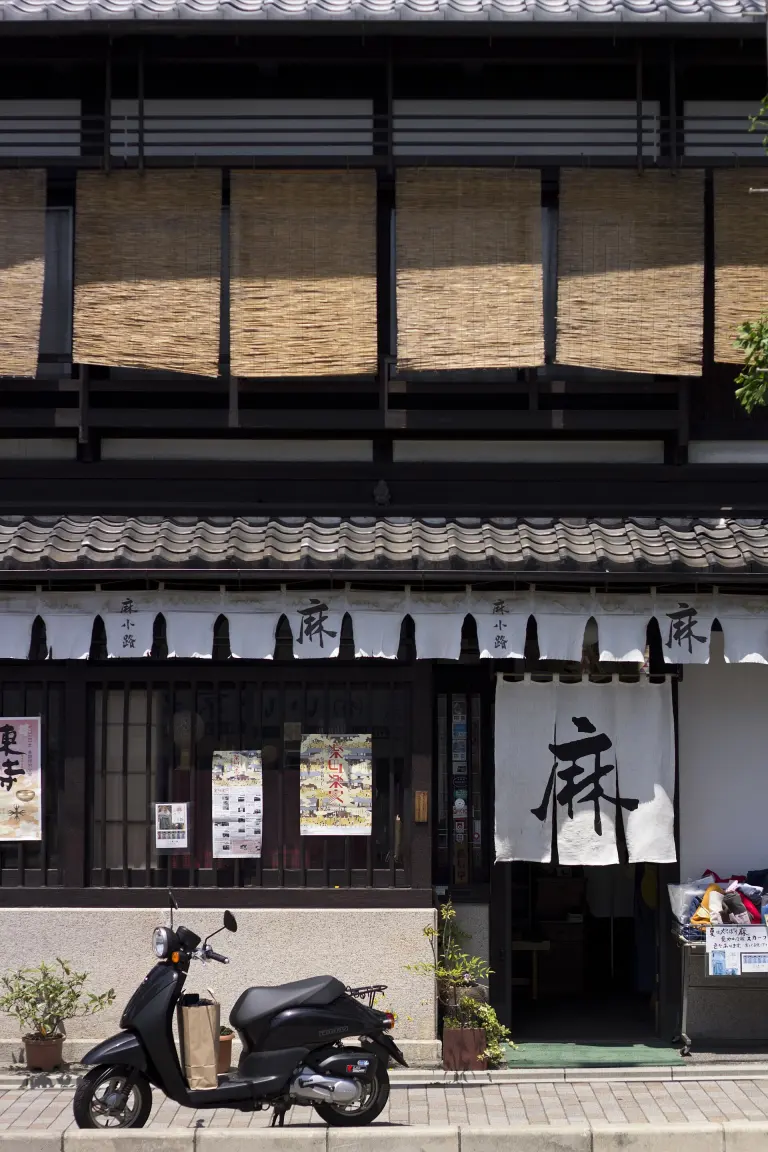
Machiya are urban vernacular houses that historically combined a street-facing business with domestic, work, storage, and courtyard spaces.