
Shūmei
Shūmei is the succession to an established stage name, connecting a performer’s public identity with an artistic lineage and its expectations.
Shūmei is the succession to an established stage name, connecting a performer’s public identity with an artistic lineage and its expectations.
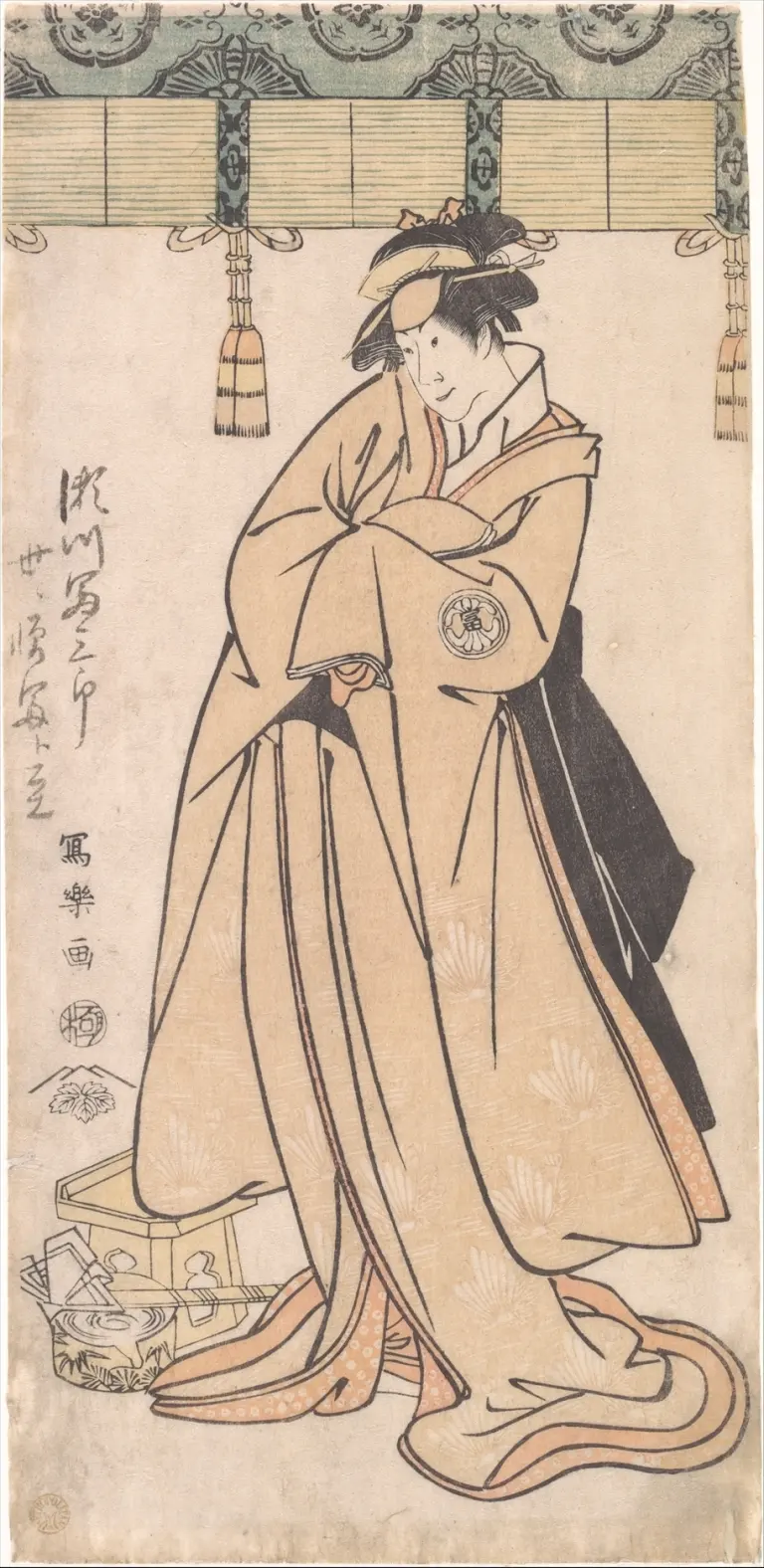
Kabuki’s female-role tradition: its historical formation, acting conventions, character types, and the distinction between stage portrayal and an actor’s identity.
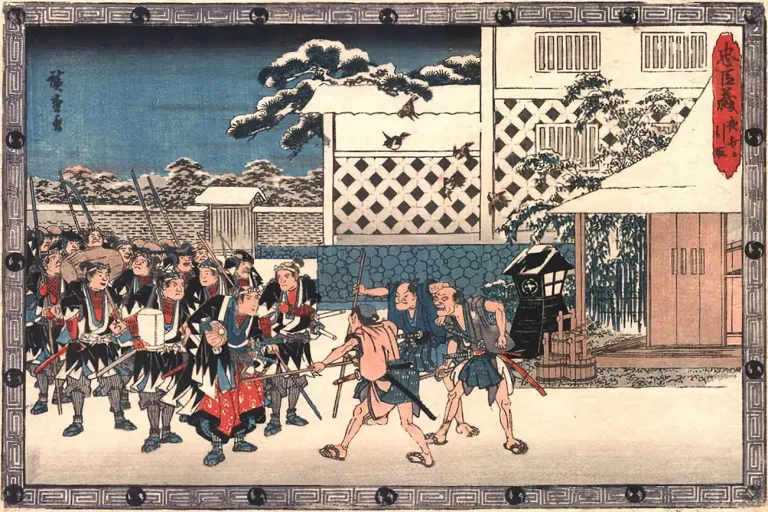
The eleven-act revenge drama first staged for puppets in 1748, and its transformation of the Akō affair into a lasting theatrical repertory.
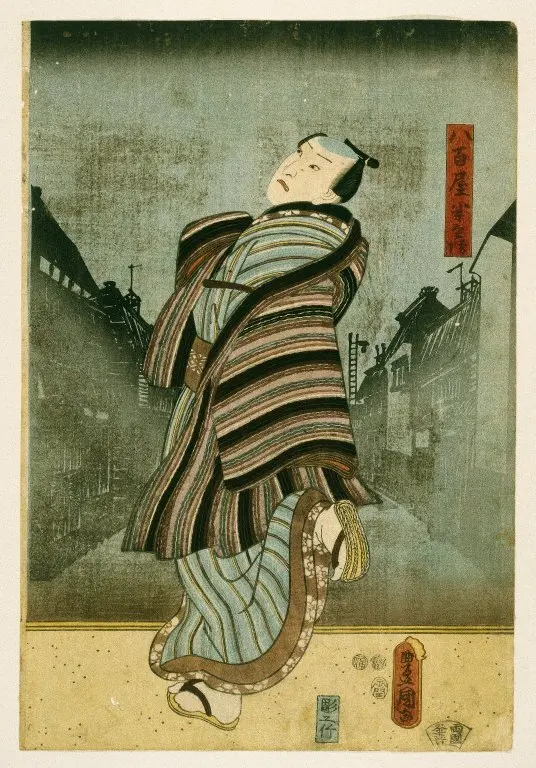
An introduction to kabuki actors, including stage names, lineages, role categories, training, acting patterns, actor prints, and the modern profession.
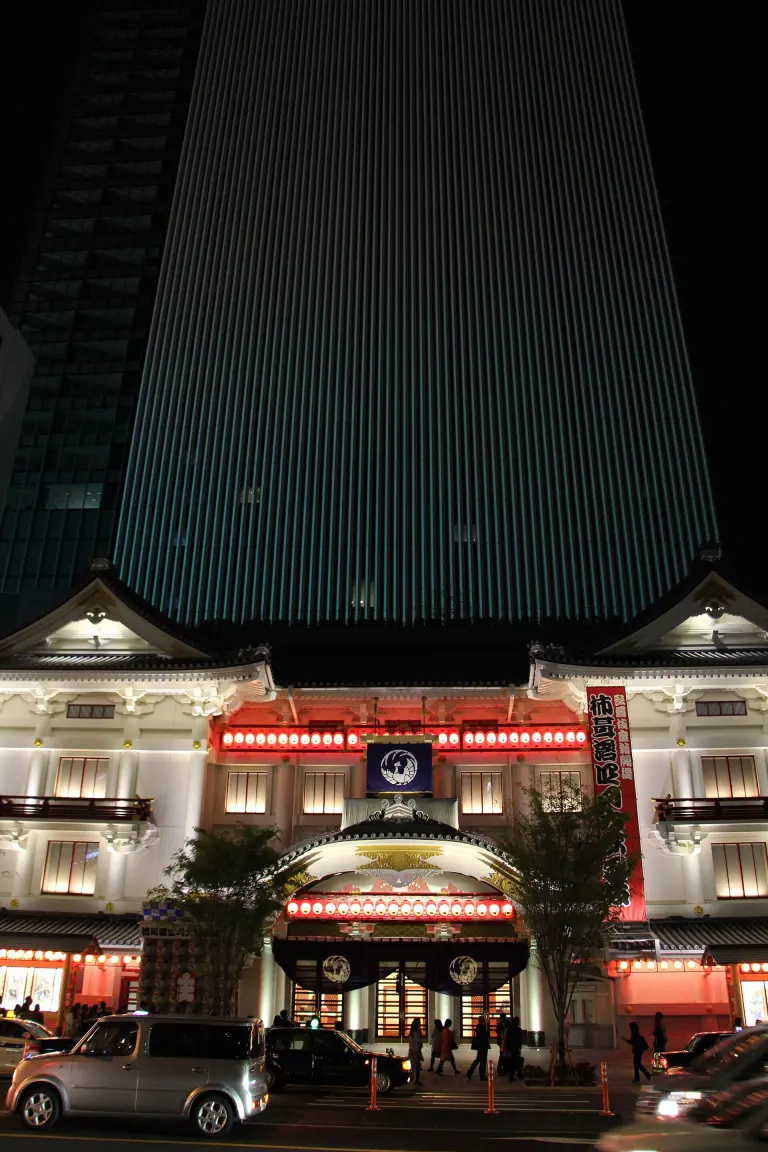
Tokyo’s principal Kabuki theatre, operating in Ginza through five successive buildings since its first opening in 1889.
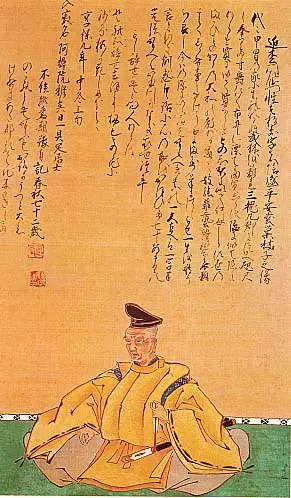
Chikamatsu Monzaemon was a Genroku-period playwright whose works transformed both ningyō jōruri puppet theatre and Kabuki.
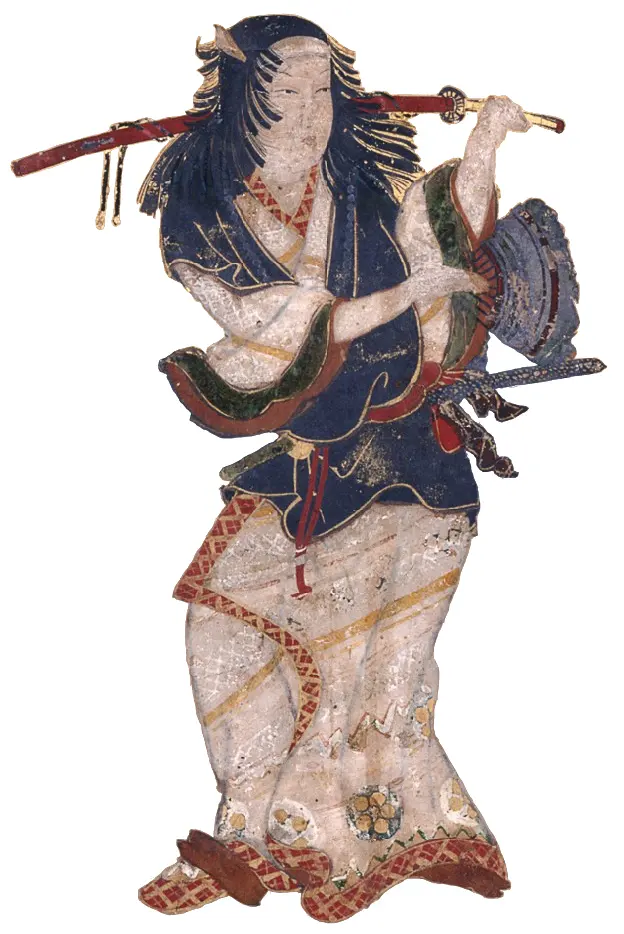
Izumo no Okuni is the early-seventeenth-century performer associated with kabuki odori and the origins of Kabuki in Kyoto.