
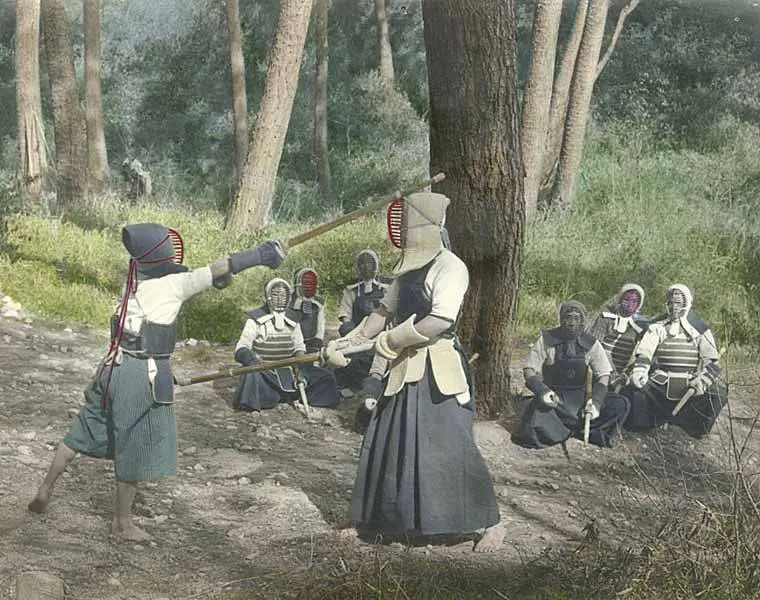
Kendo Terminology
Kendo terminology covers equipment, movement, distance, training, kata and competition, with Japanese meanings that do not always map neatly onto English.
Kendo terminology covers equipment, movement, distance, training, kata and competition, with Japanese meanings that do not always map neatly onto English.
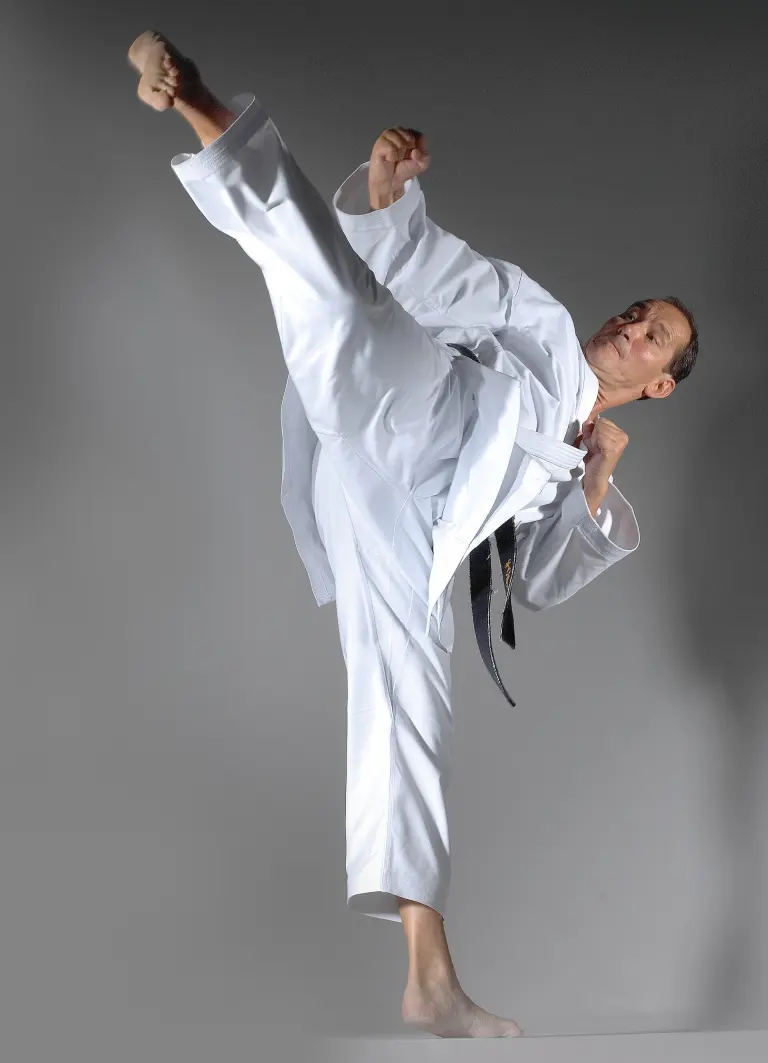
Geri is the familiar compound form for Karate kicking techniques, classified by direction, path, contact surface, target and training context.
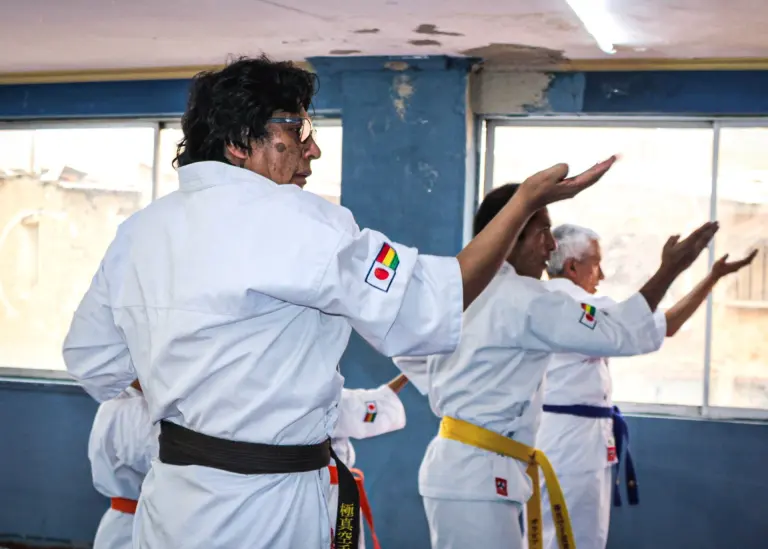
Uke means receiving in Karate and covers actions that intercept, redirect, cover or control attacks rather than one rigid category of blocks.
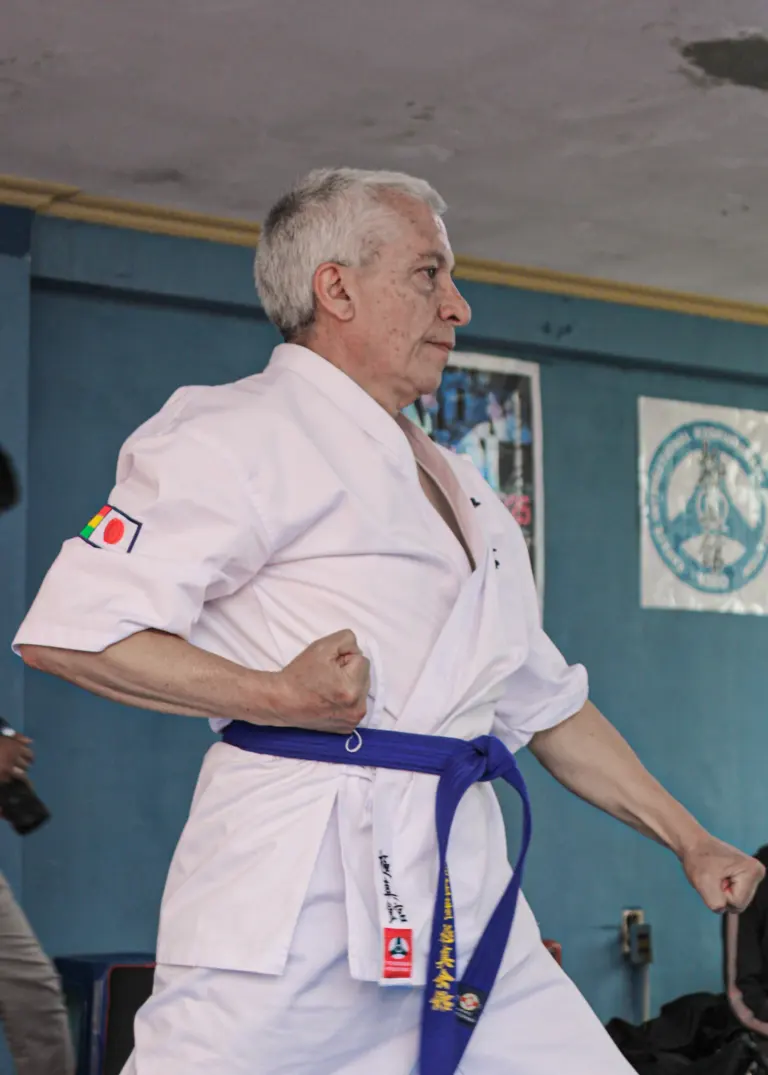
Tsuki is Karate’s family of thrusting hand techniques, commonly punches, with names determined by path, level, stance and movement relationship.
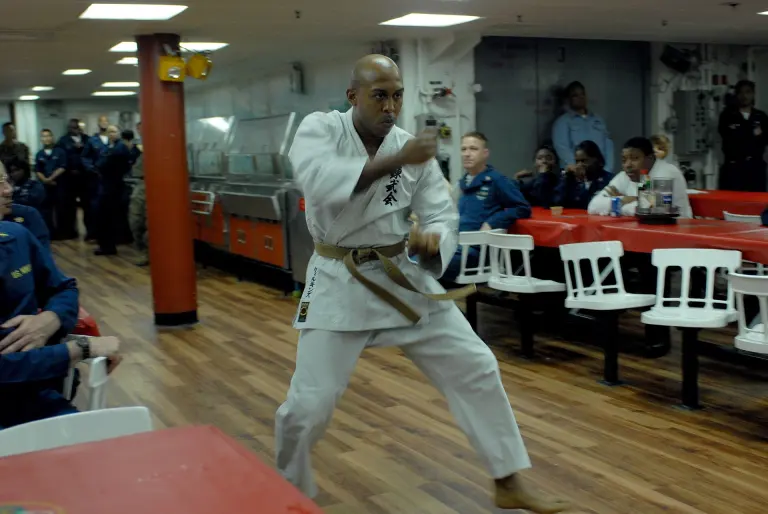
Karate techniques include thrusts, strikes, receiving actions, kicks, stances and movement, organised differently across styles, training methods and competition rules.
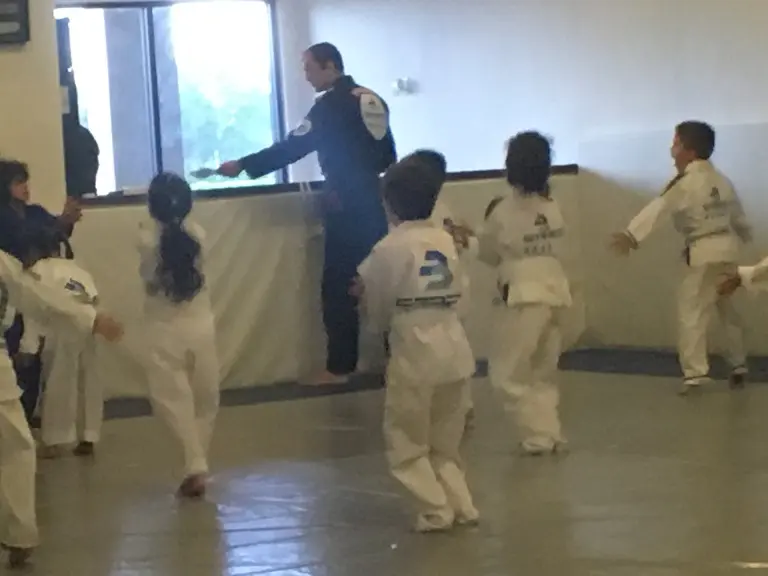
Karate terminology covers Japanese names for people, ranks, training, techniques, kata, kumite, distance and competition, including important differences among traditions.
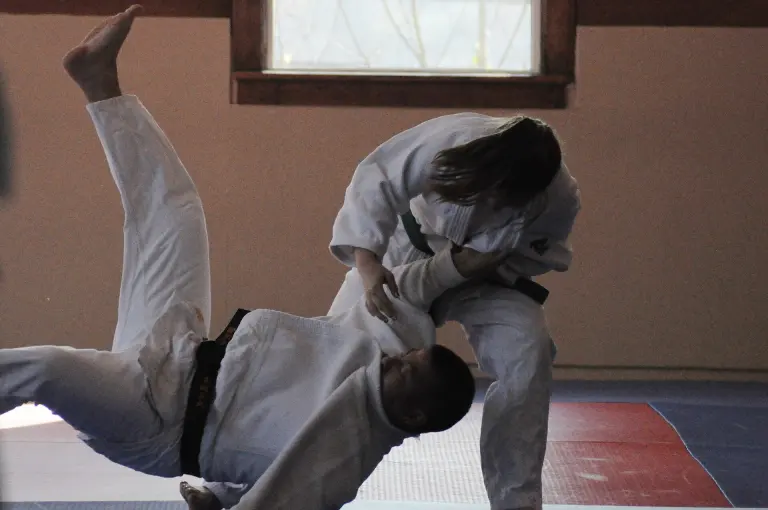
An authoritative guide to Kodokan Judo technique classification, the Gokyo, training methods, and the distinction between the curriculum and current IJF competition rules.

Tankōbon is a Japanese publishing term for a stand-alone book, commonly used in manga contexts for collected volumes of previously serialized chapters.
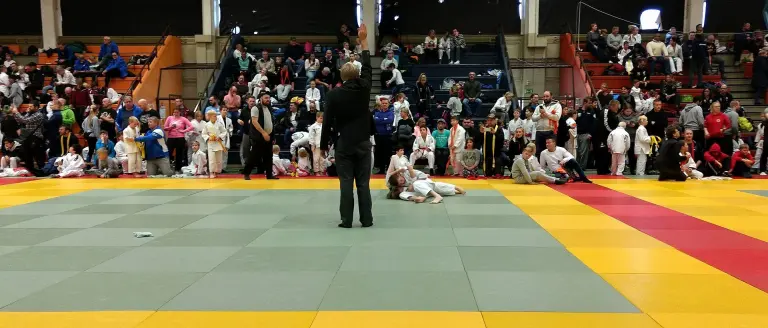
Ippon is Judo’s full score: it ends a contest when awarded for a qualifying throw, hold, submission, or combined scores under current rules.
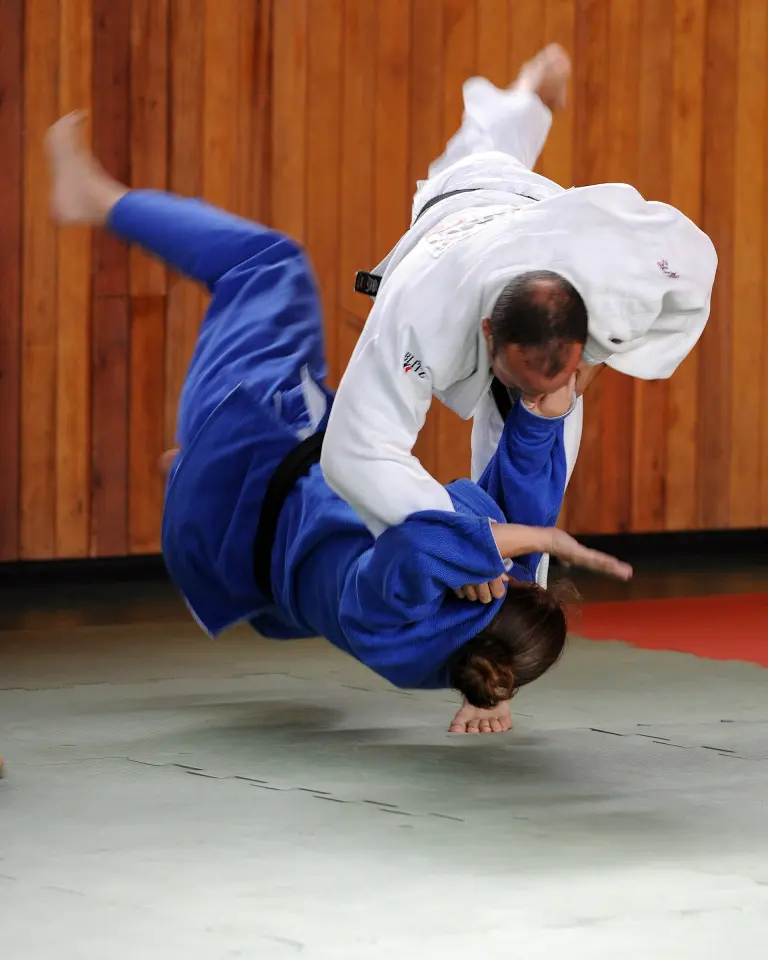
Uchikomi is repeated Judo entry practice used to refine positioning, coordination, rhythm, and technique before or alongside completed throwing practice.