
Ryukyu Kingdom
An island monarchy centred on Shuri, shaped by maritime exchange, changing relations with China and Japan, and its abolition in the nineteenth century.
An island monarchy centred on Shuri, shaped by maritime exchange, changing relations with China and Japan, and its abolition in the nineteenth century.
The Ryukyu Kingdom’s royal centre in Naha, understood through its archaeological remains, reconstructed buildings, court functions and continuing restoration.
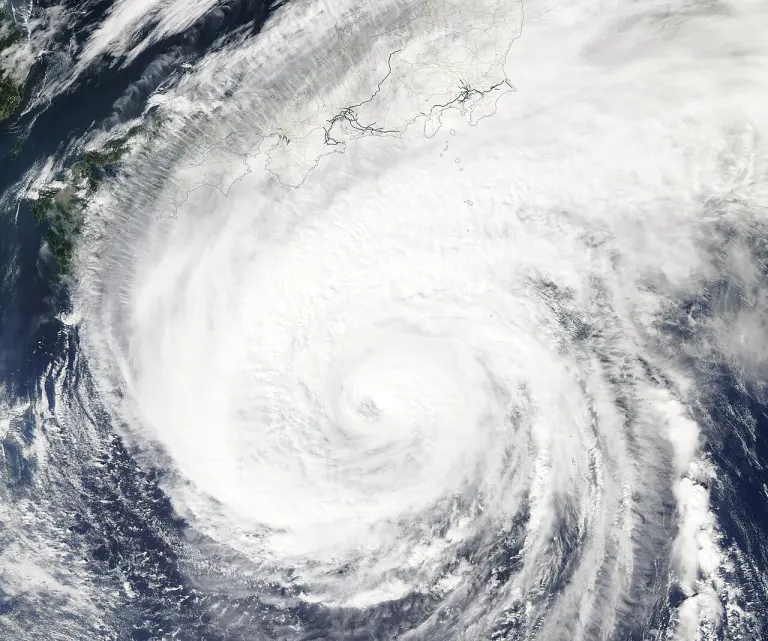
Typhoons shape Japan’s seasonal weather, coastal hazards and disaster memory; terminology, storm tracks and local impacts need to be read separately.
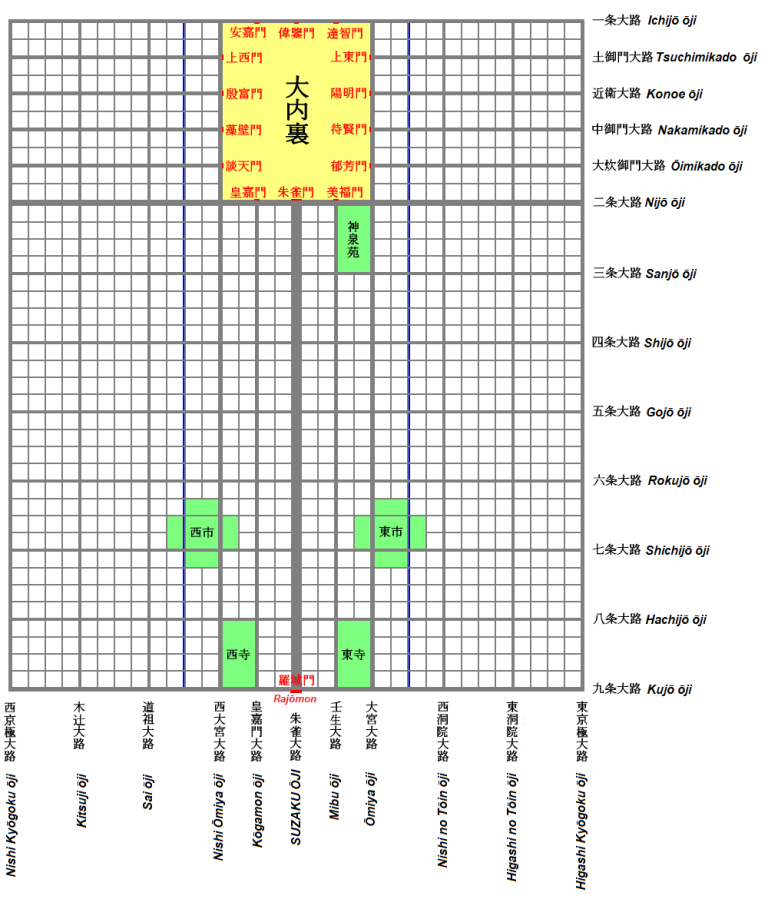
Heian-kyō was the planned imperial capital founded in 794 and the historical urban framework from which Kyoto developed.
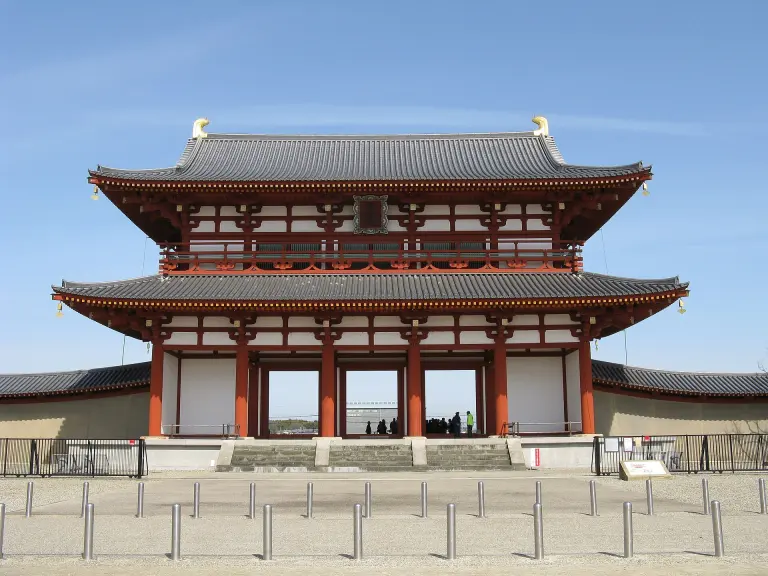
Heijō-kyō was the planned eighth-century capital centered on the Heijō Palace site in present-day Nara, interpreted through archaeology.
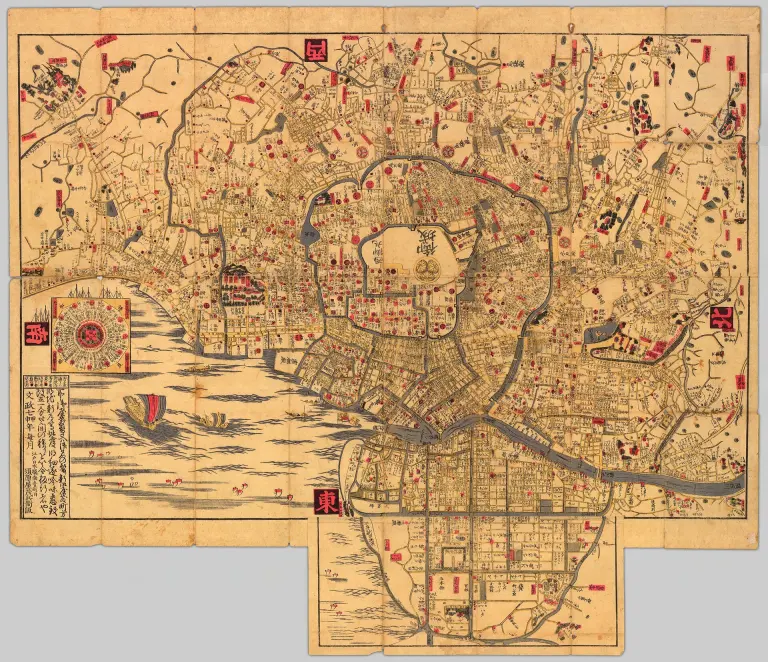
Edo was the Tokugawa shogunate’s castle city and political center, renamed Tokyo in 1868 after centuries of urban growth.
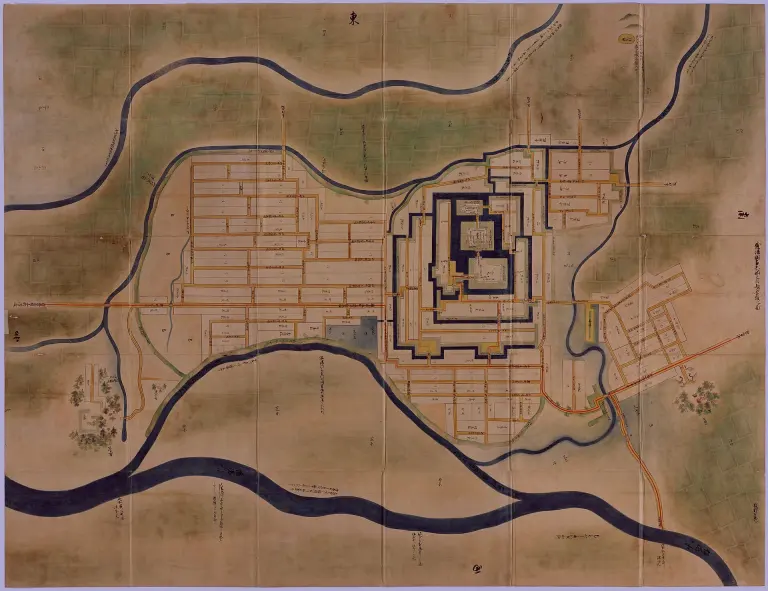
Jōkamachi are Japanese castle towns shaped by a lord’s fortress, domain administration, status groups, commerce, and regional geography.
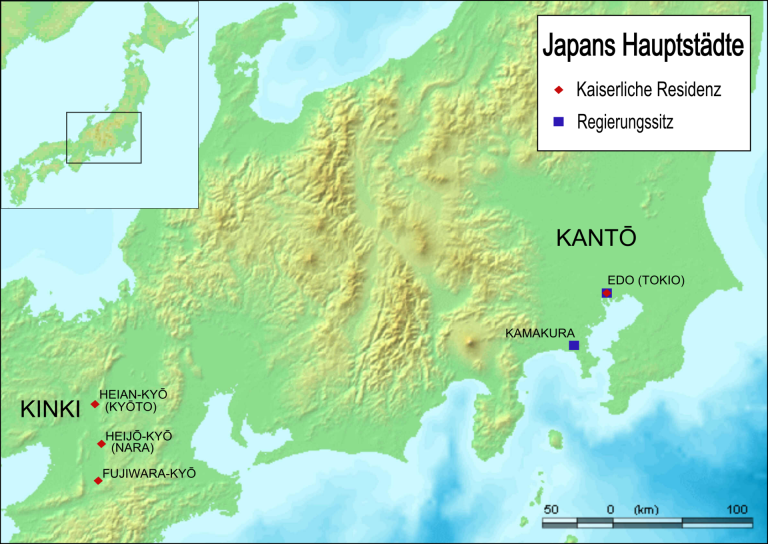
Japan’s historic capitals include planned court cities and later centers of warrior government, whose political roles did not always coincide.