
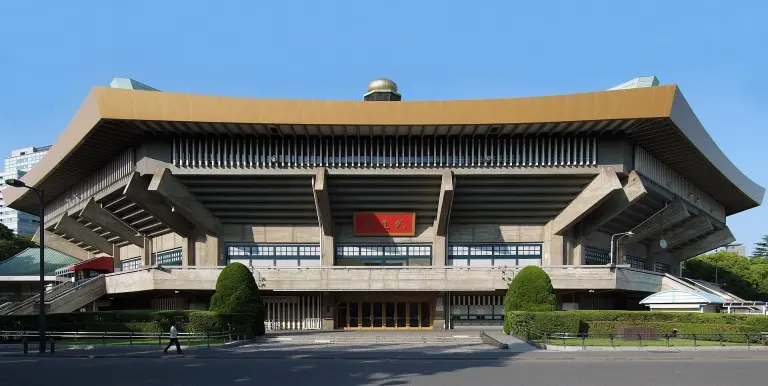
Nippon Budokan
Nippon Budokan is a landmark arena in central Tokyo, opened for Olympic judo in 1964 and used for budo events, education, ceremonies, and concerts.
Nippon Budokan is a landmark arena in central Tokyo, opened for Olympic judo in 1964 and used for budo events, education, ceremonies, and concerts.
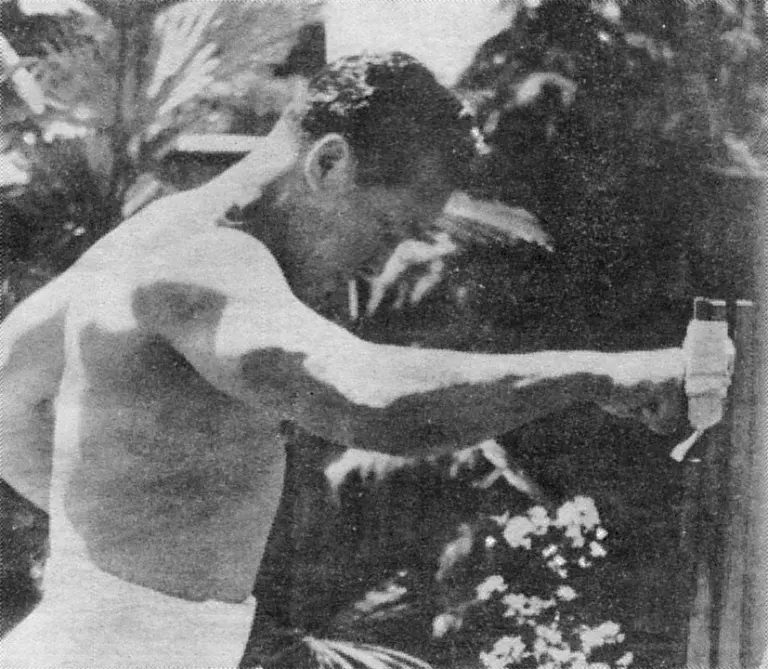
Kyokushin is a full-contact karate tradition founded by Masutatsu Ōyama, known for knockdown competition, demanding conditioning, kata, and an international network of successor organisations.
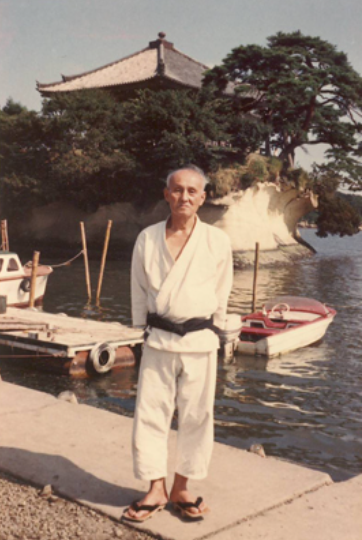
Wadō-ryū is a Japanese karate tradition founded by Hironori Ōtsuka, integrating Okinawan karate with principles from Shindō Yōshin-ryū jujutsu and Japanese budō.
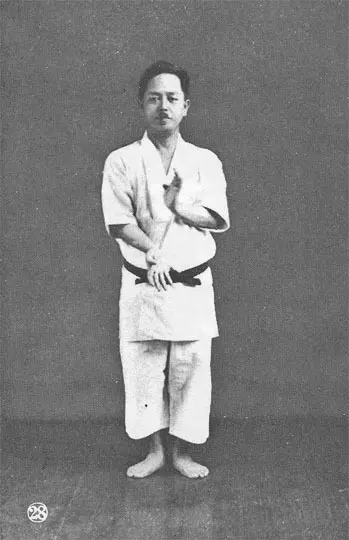
Shitō-ryū is a major karate tradition founded by Kenwa Mabuni, preserving extensive kata associated with the teachings of Ankō Itosu and Kanryō Higaonna.
Shotokan is a major karate tradition shaped by Gichin Funakoshi’s teaching and later developed through university clubs and the Japan Karate Association.
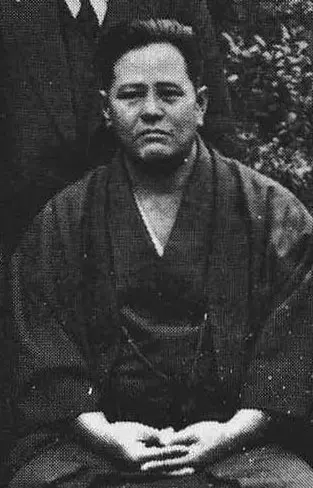
Gōjū-ryū is an Okinawan karate tradition founded by Chōjun Miyagi, combining forceful and yielding methods with kata, breathing, conditioning, and partner practice.
Japanese martial arts encompass classical combat traditions, modern budō, Okinawan karate, weapons practice, grappling, competition, and systems of physical and ethical education.
Morihei Ueshiba founded Aikido by transforming Daitō-ryū-derived technique through decades of teaching, religious thought, and institutional change.
Takeda Sōkaku was the central documented transmitter of modern Daitō-ryū and the teacher who decisively shaped Morihei Ueshiba’s martial development.
Shibukawa-ryū Jūjutsu is a classical martial tradition founded by Shibukawa Bangorō Yoshikata, with Sekiguchi-ryū roots and later regional branches.