
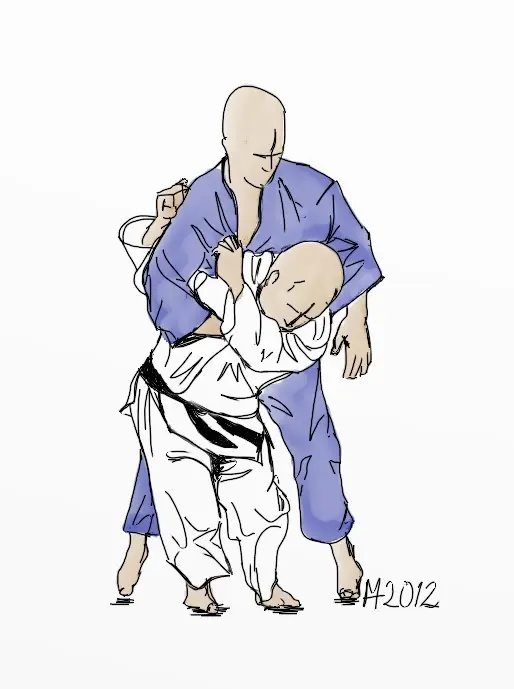
Ippon-seoi-nage
Ippon-seoi-nage is a Kodokan te-waza distinguished from seoi-nage by its characteristic underarm and upper-arm control.
Ippon-seoi-nage is a Kodokan te-waza distinguished from seoi-nage by its characteristic underarm and upper-arm control.
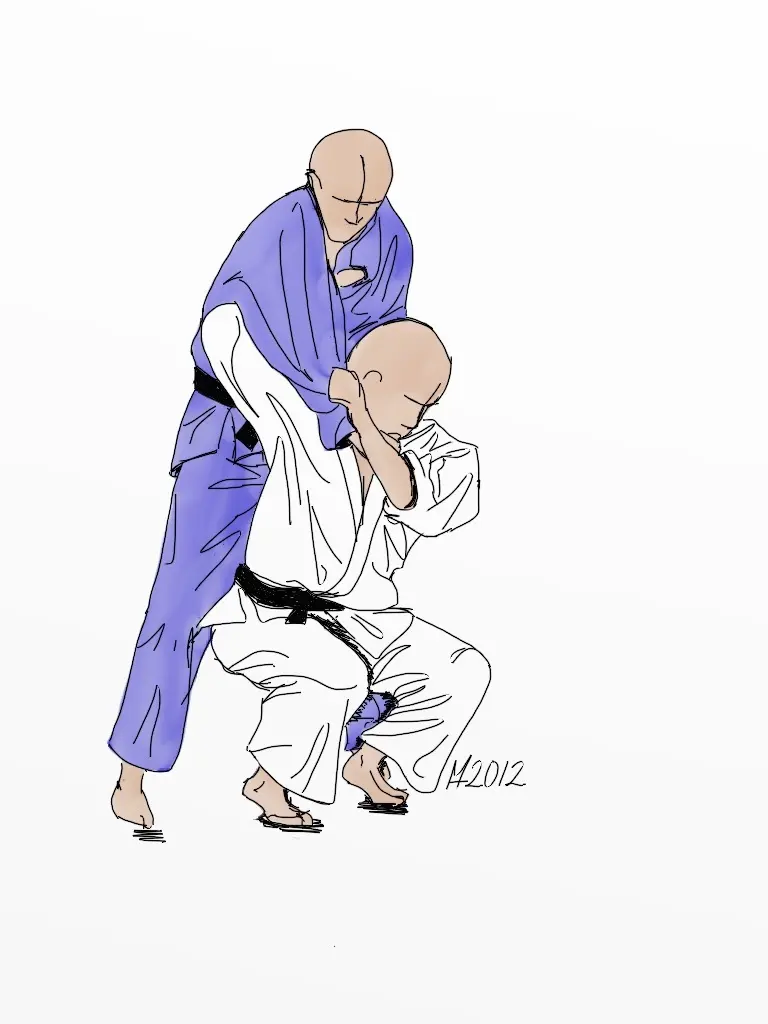
Seoi-nage is a Kodokan te-waza that carries a broken opponent onto the back and projects them over the shoulder line.
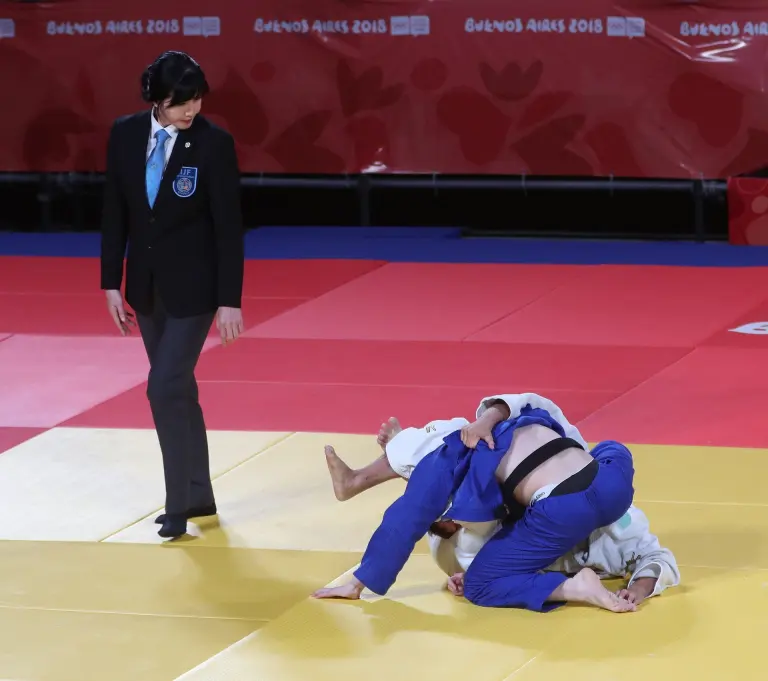
Shido is a warning for a slight Judo infringement; the third becomes hansoku-make, while grave offences can bring immediate disqualification.
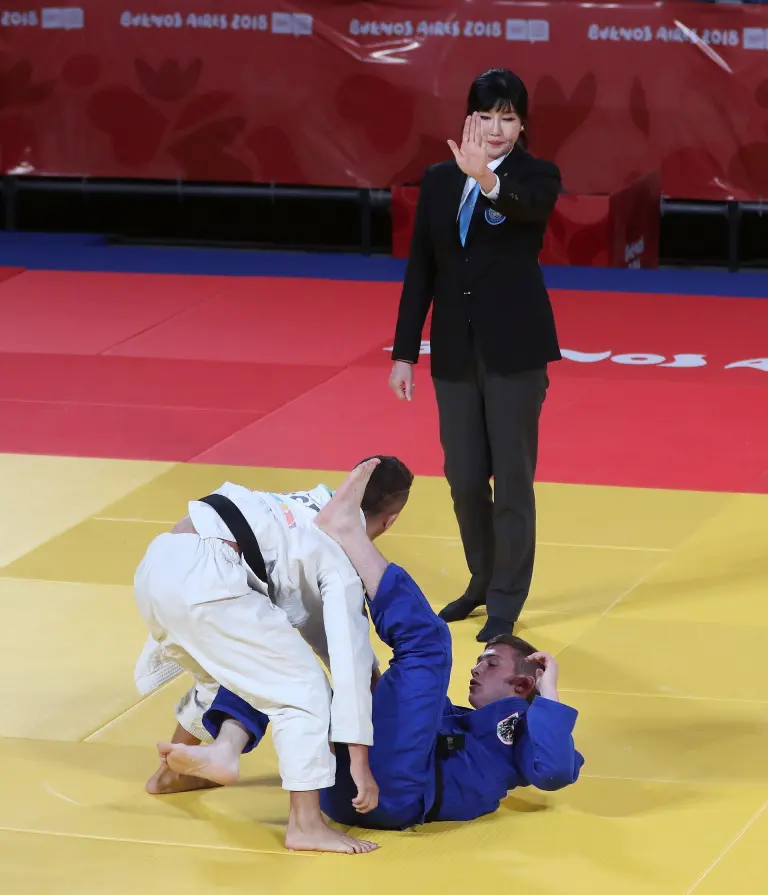
Current IJF Judo weight classes for senior, junior, cadet, Olympic, and team competition, with historical and Japan-specific context.

Current IJF Judo rules explained: contest time, ippon, waza-ari, yuko, pins, penalties, golden score, gripping, leg grabs, and national differences.
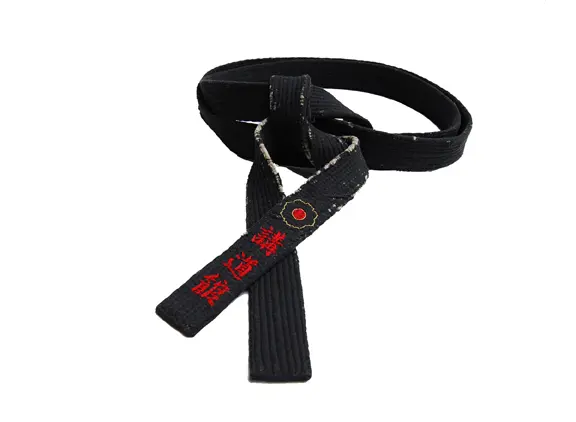
Judo belt ranks combine kyu and dan grades, but colour sequences for beginners and children vary by organisation, country, and age group.
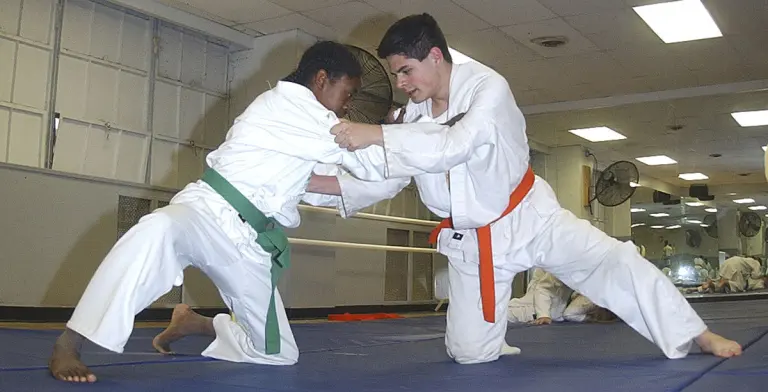
Ne-waza is Judo groundwork: the phase in which pins, strangles, arm locks, turnovers, escapes, and transitions are applied on the mat.

Kumi-kata is the method and contest of taking grips in Judo, linking posture, movement, kuzushi, attack, defence, and changing competition rules.
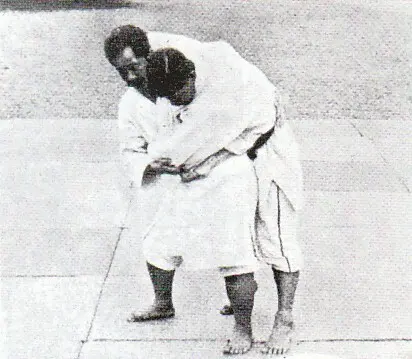
Gokyō no Waza is the Kodokan’s five-group teaching syllabus of 40 throws, revised in 1920 and distinct from the complete modern technique list.
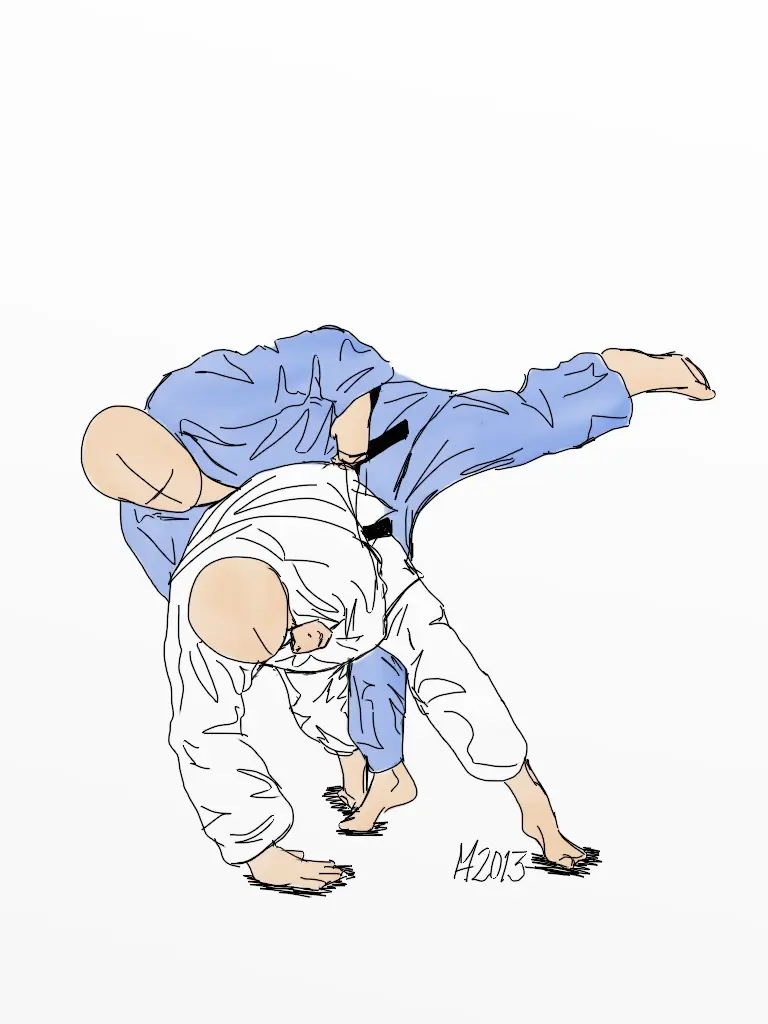
Sutemi-waza are Kodokan sacrifice throws, divided into five rear sacrifice techniques and 16 side sacrifice techniques, with distinct competition restrictions.