

Yōkai Watch
A guide to Level-5’s Yōkai Watch, the 2013 role-playing game that grew into a major Japanese media-mix franchise of animation, manga, and toys.
A guide to Level-5’s Yōkai Watch, the 2013 role-playing game that grew into a major Japanese media-mix franchise of animation, manga, and toys.
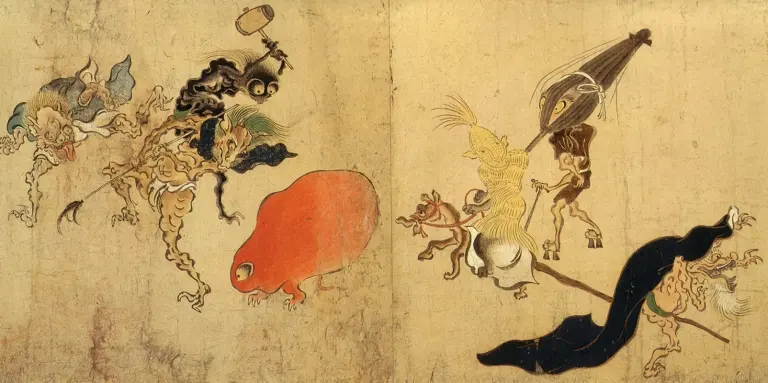
Yōkai is a broad and changing Japanese category for uncanny phenomena, strange presences, fantastic beings, and the forms used to depict them.
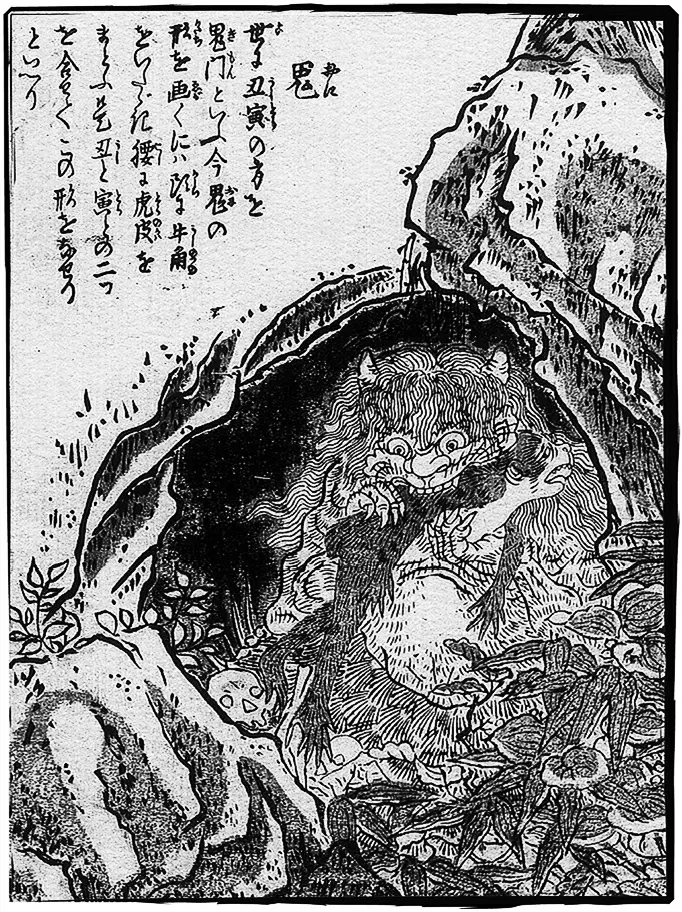
Oni are powerful demonic beings whose roles range from punishers and enemies to converted protectors, comic figures, and ritual targets.
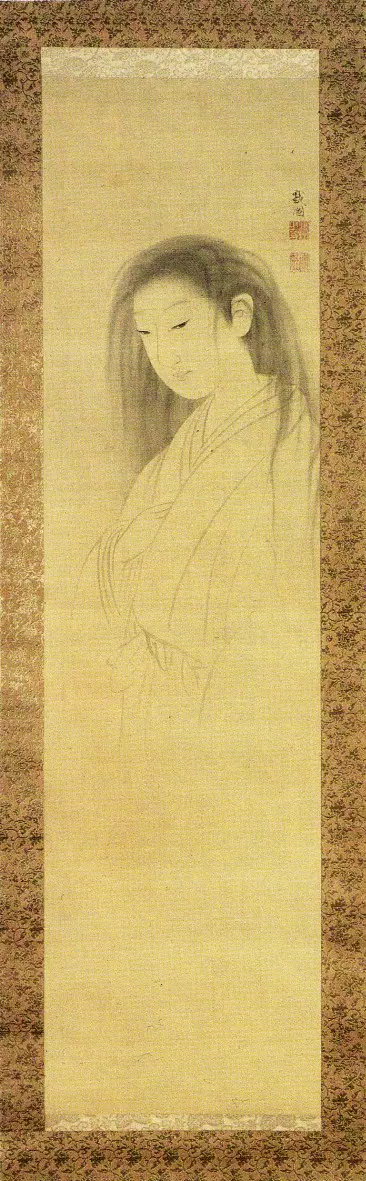
Yūrei are spirits of the dead whose unfinished attachments, violent deaths, or improper treatment keep them present among the living.
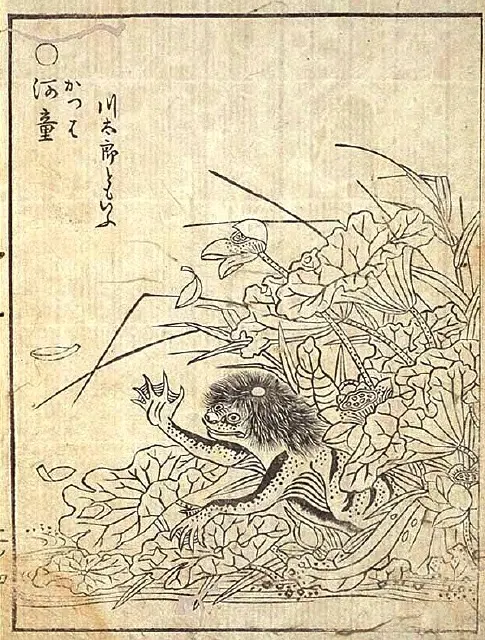
Kappa are Japanese waterside beings whose diverse local traditions were consolidated into the familiar image of a small creature with a head dish.
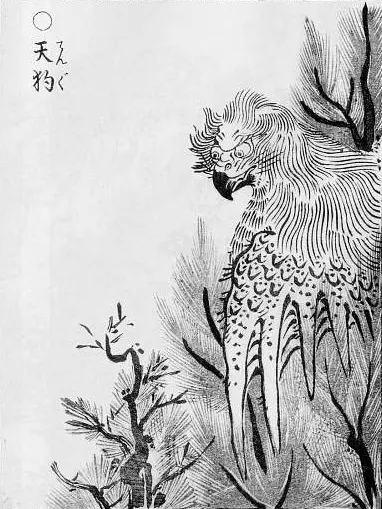
Tengu are mountain beings whose changing forms connect Buddhist warning, bird imagery, ascetic practice, martial legend, and local protection.
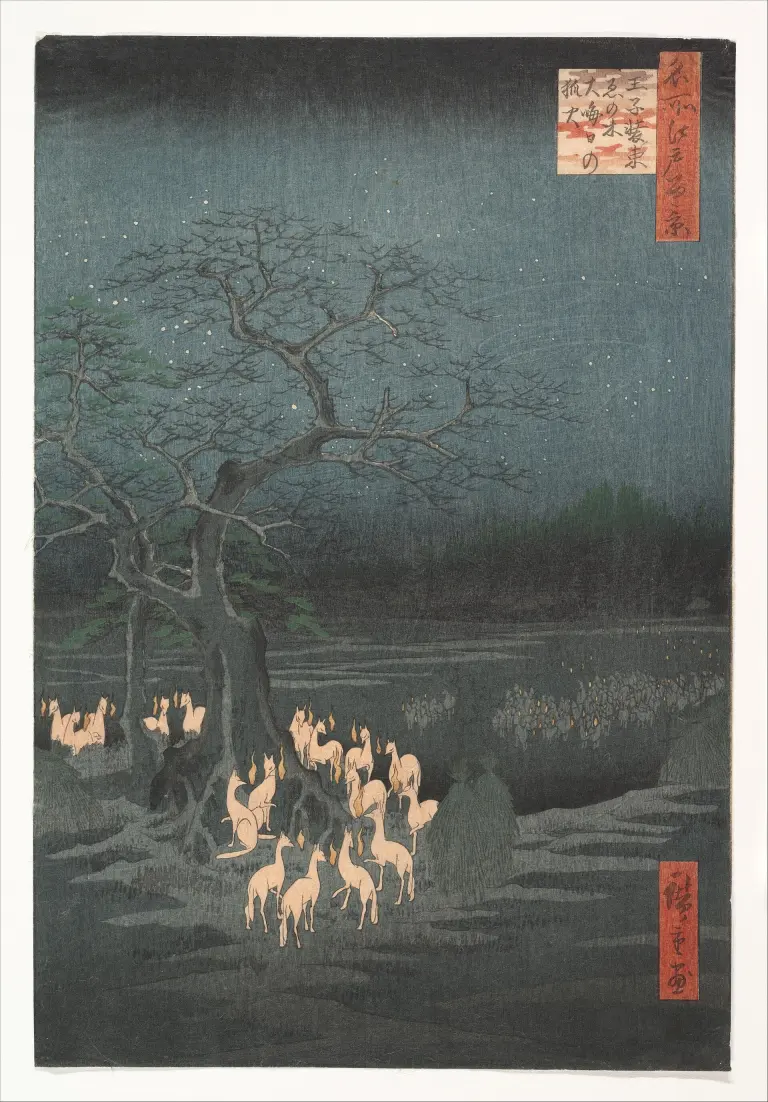
Kitsune are foxes in Japanese tradition whose roles include animal, shape-shifter, trickster, spouse, possessing agent, and messenger of Inari.

Kami, yōkai, oni, and yūrei are overlapping Japanese categories distinguished by relation, ritual, origin, and narrative function rather than appearance alone.