
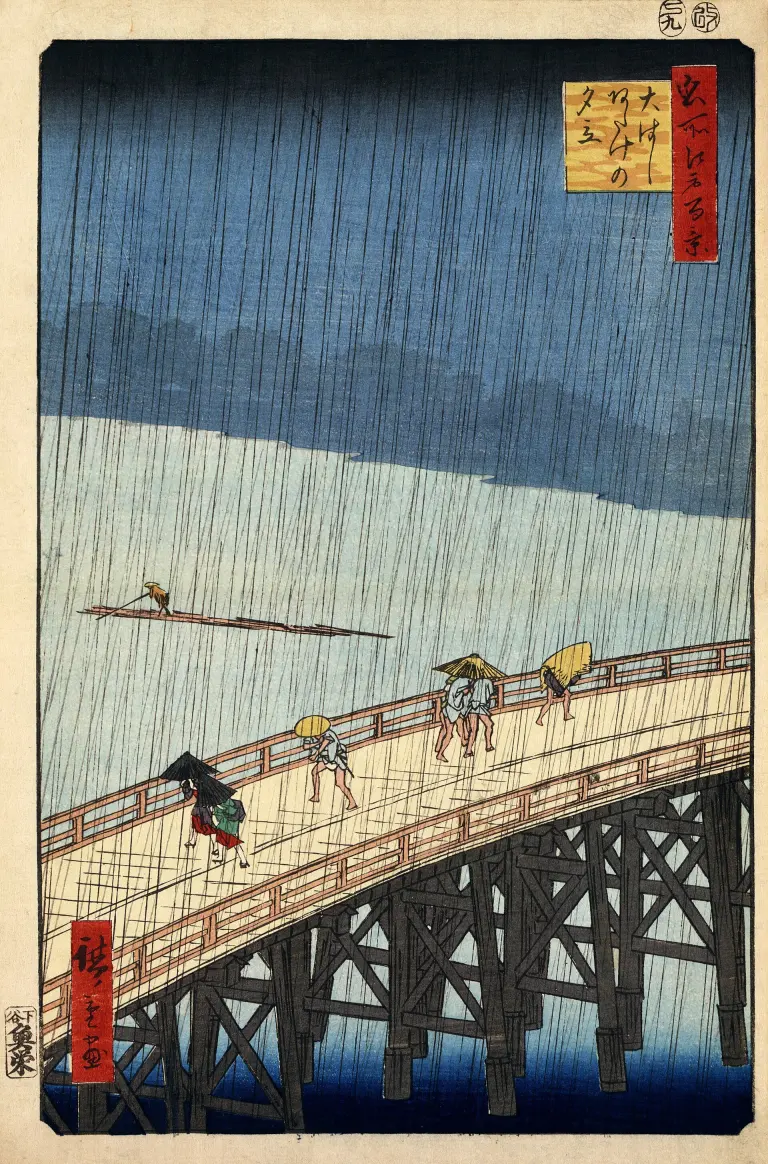
Ukiyo-e
Ukiyo-e was an Edo-period visual culture of prints and paintings depicting actors, beauties, landscapes, stories, and urban life.
Ukiyo-e was an Edo-period visual culture of prints and paintings depicting actors, beauties, landscapes, stories, and urban life.
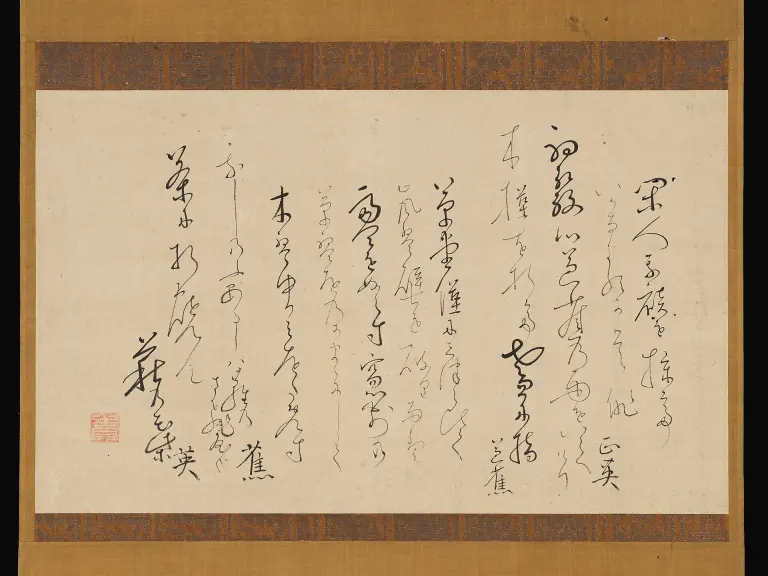
Haiku is a short poetic form shaped by seasonal language, juxtaposition, and the history of hokku within linked verse.
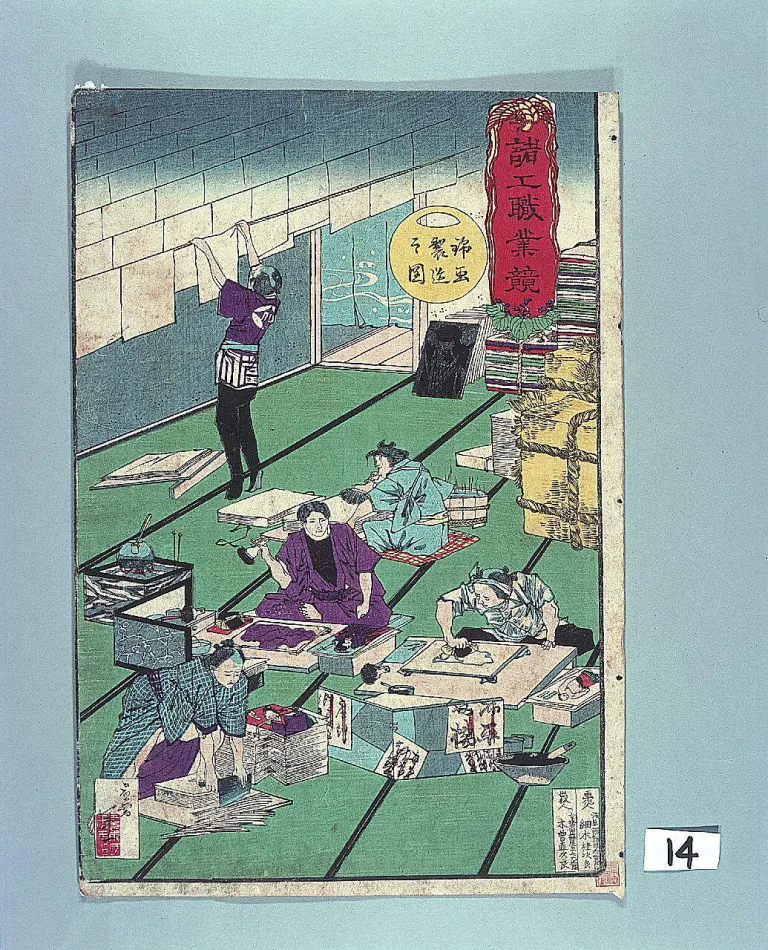
Japanese woodblock printing joins design, carving, registration, pigment, paper, and skilled hand pressure in a long print tradition.
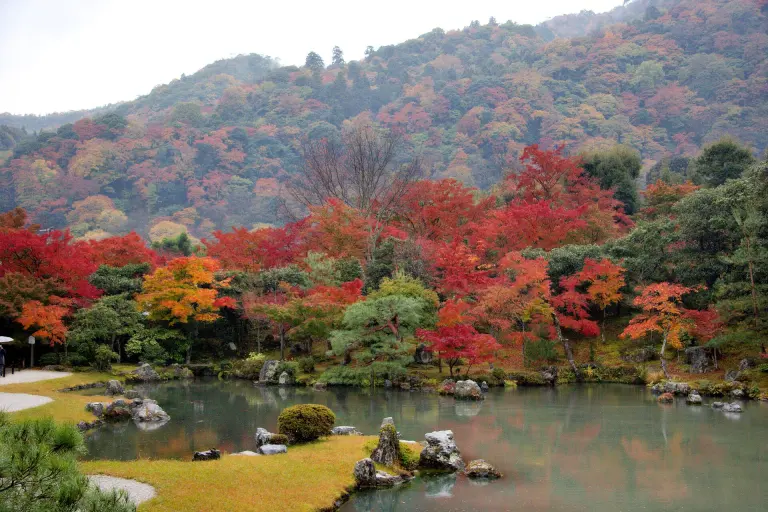
Shakkei is the garden technique of visually incorporating scenery beyond the site through framing, layering, and controlled viewpoints.
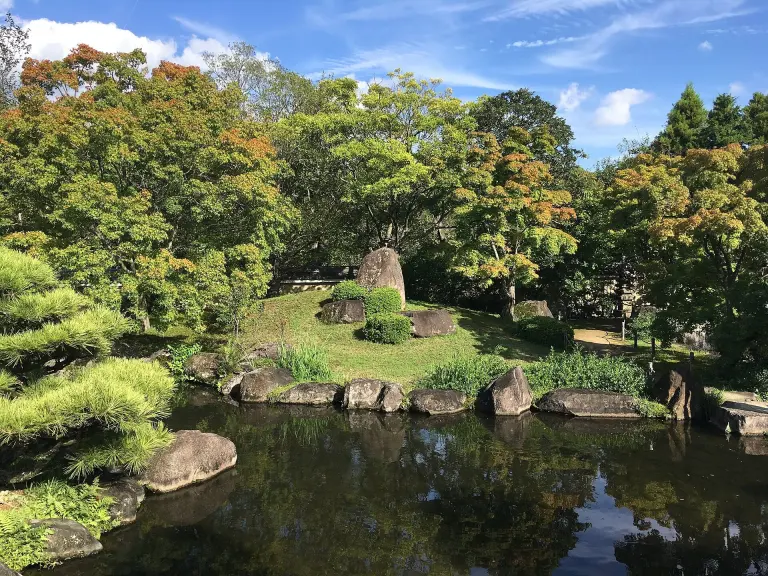
Tsukiyama are constructed hills that shape topography, views, and miniature landscape in Japanese gardens, often together with ponds.
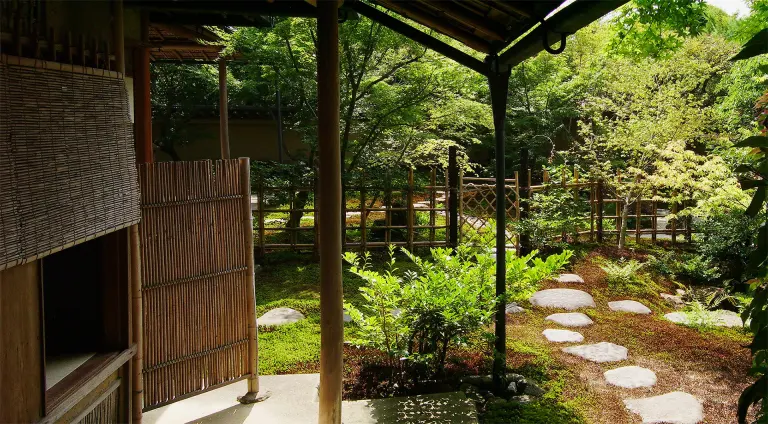
A roji is the garden approach to a tea house, organizing the guest’s passage through paths, gates, waiting places, and purification.
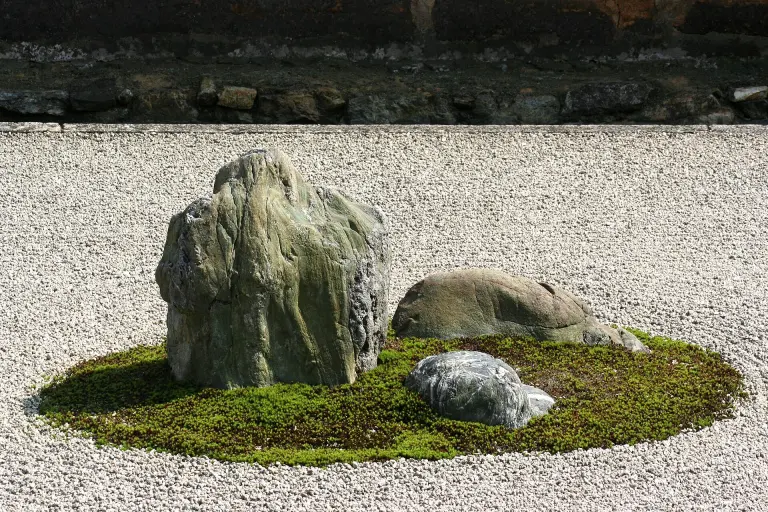
Karesansui are dry landscape gardens that use stones, gravel, sand, and limited planting to suggest water and larger scenery.
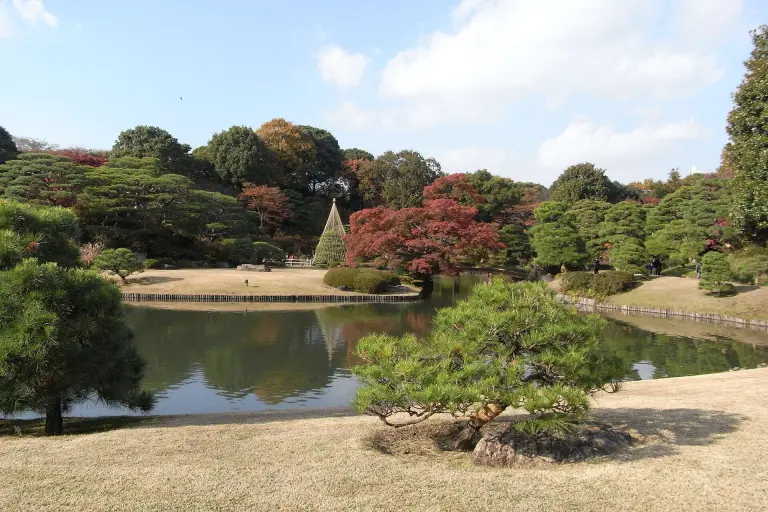
An introduction to the history, major types, materials, viewing practices, and cultural settings of gardens in Japan.