
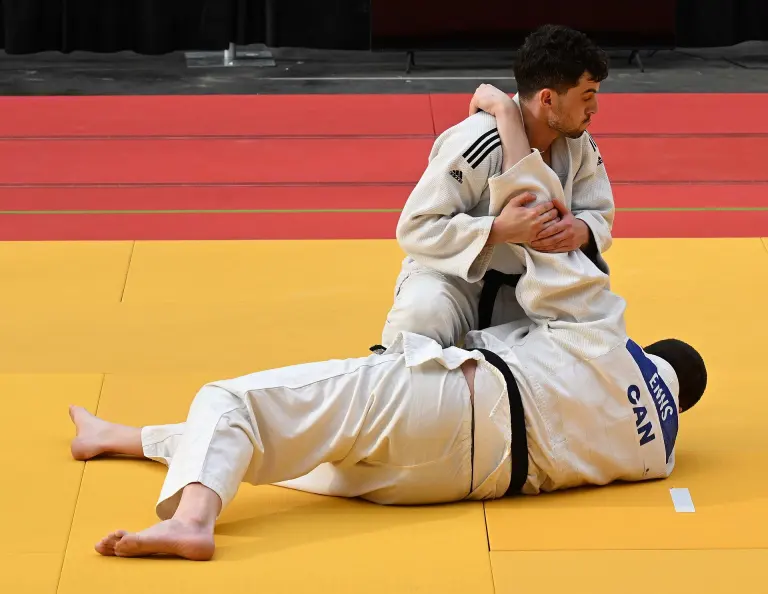
Kansetsu-waza
Kansetsu-waza are the ten Kodokan joint-locking techniques, whose classical syllabus is broader than the joint locks permitted in modern IJF contests.
Kansetsu-waza are the ten Kodokan joint-locking techniques, whose classical syllabus is broader than the joint locks permitted in modern IJF contests.
Osaekomi-waza are the ten Kodokan holding techniques used to control an opponent on the mat.
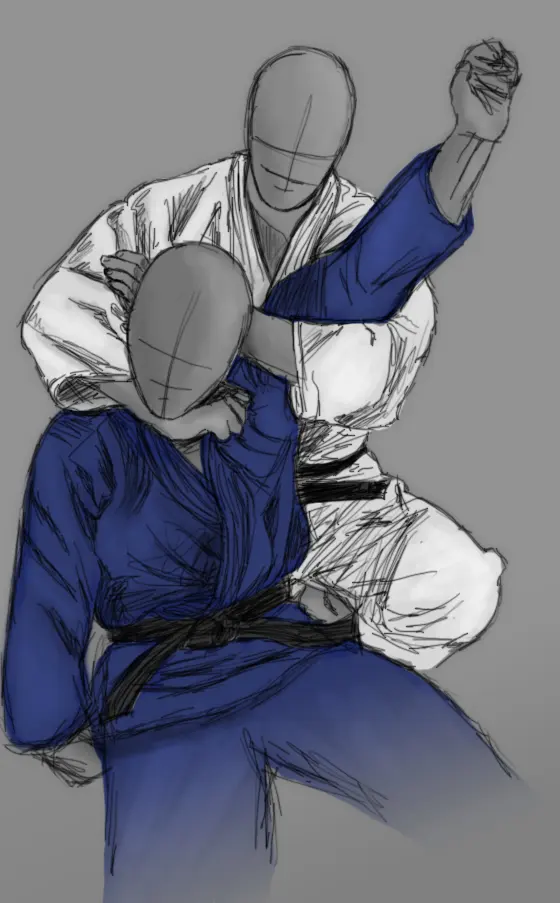
Shime-waza are the twelve Kodokan strangling techniques studied under strict training and competition safety controls.
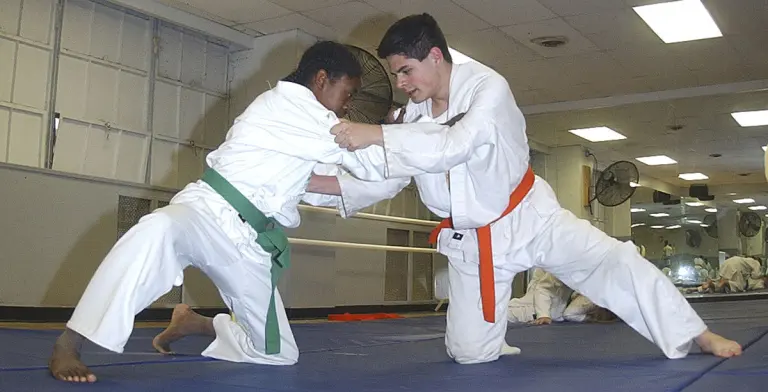
Ne-waza is Judo groundwork: the phase in which pins, strangles, arm locks, turnovers, escapes, and transitions are applied on the mat.
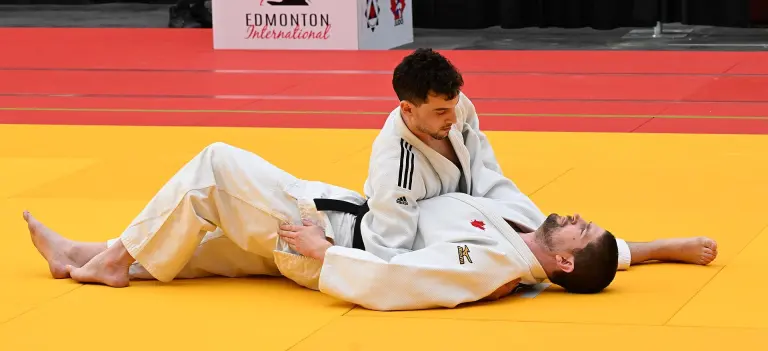
Katame-waza are Judo’s grappling and control techniques: holds, strangles, and joint techniques used within defined safety rules.