
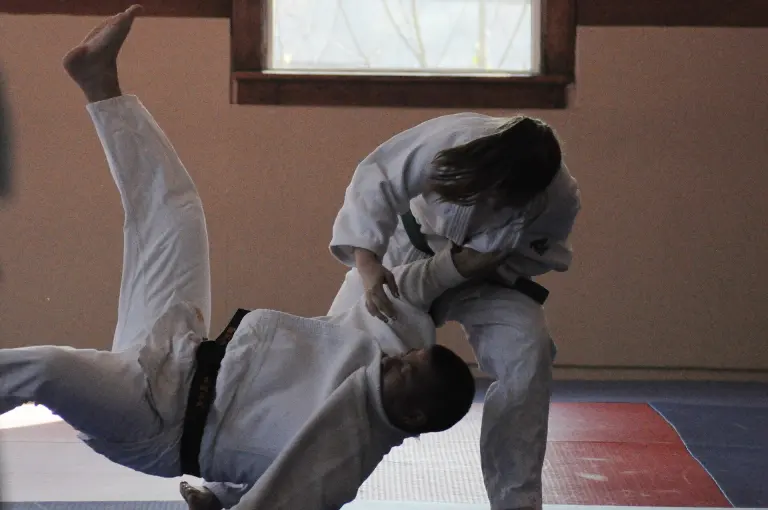
Judo Technique Directory
Browse and search the 100 officially named Kodokan Judo techniques by classification, kata, Gokyo group, and documented promotion references.
Browse and search the 100 officially named Kodokan Judo techniques by classification, kata, Gokyo group, and documented promotion references.
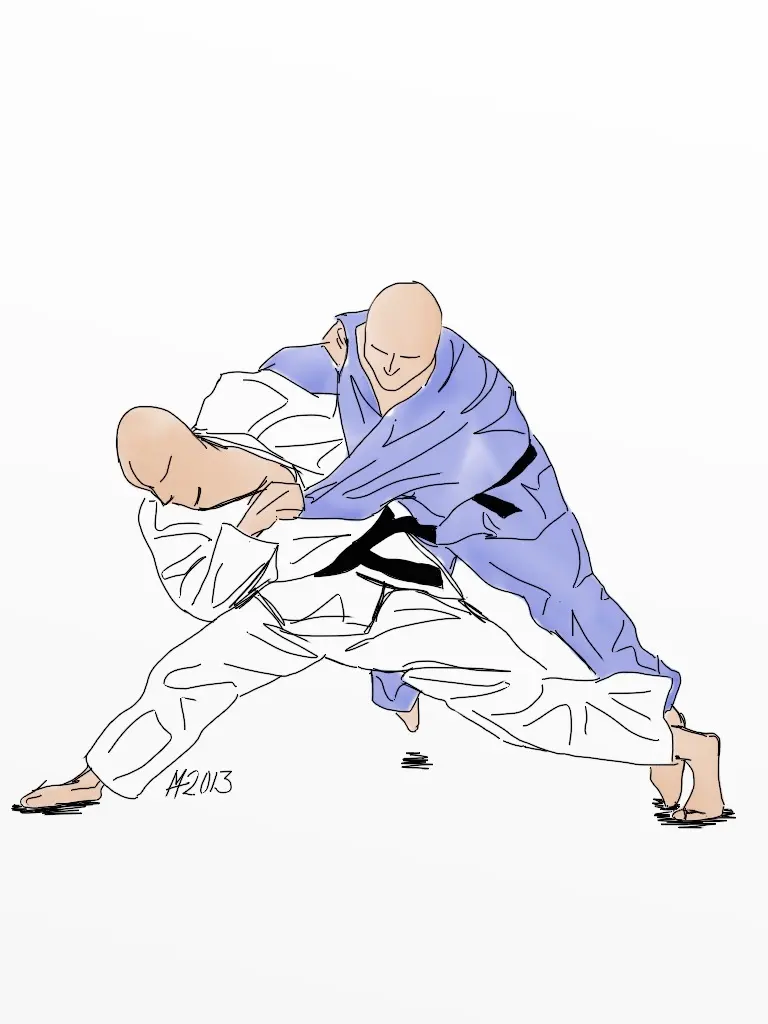
Tai-otoshi is a Kodokan te-waza whose extended leg marks the throwing line while the hands and body action produce the drop.
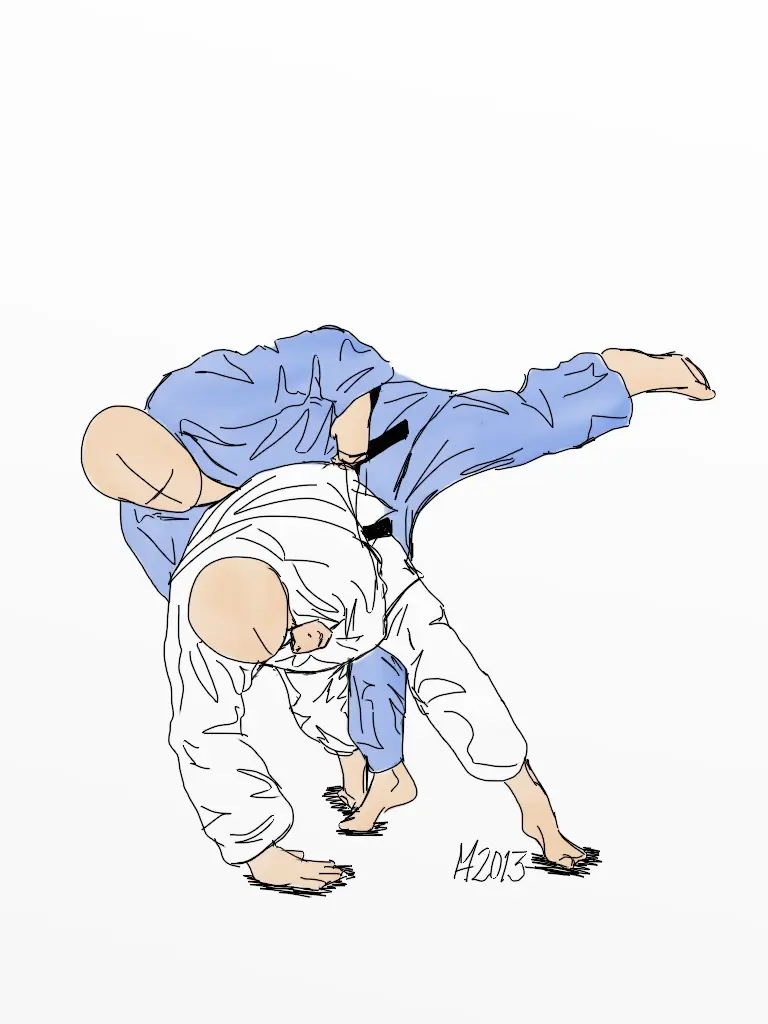
Sutemi-waza are Kodokan sacrifice throws, divided into five rear sacrifice techniques and 16 side sacrifice techniques, with distinct competition restrictions.
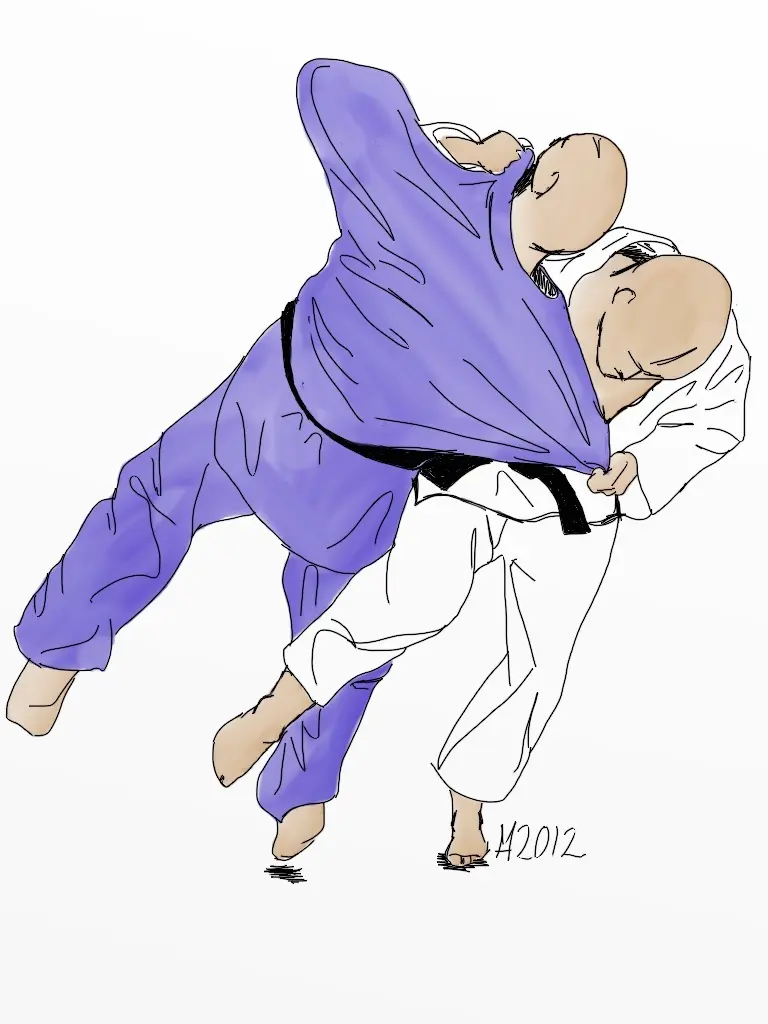
Ashi-waza are the 21 Kodokan foot and leg techniques, including sweeps, reaps, supports, wheels, hooks, drops, and counters.
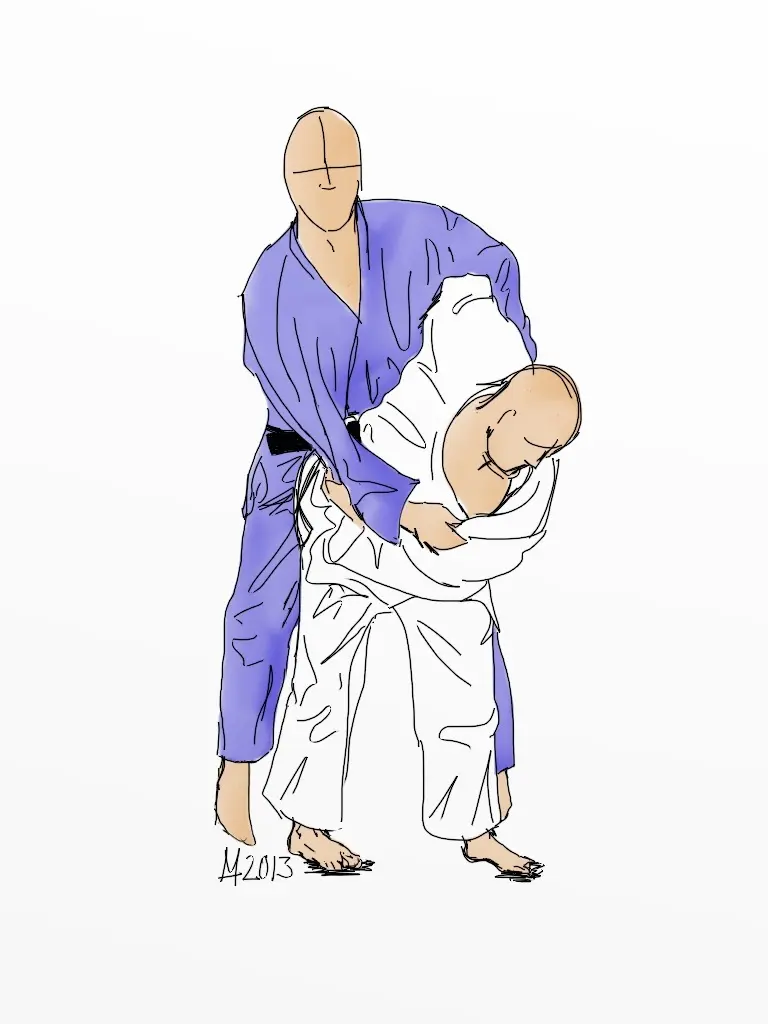
Koshi-waza are the 10 Kodokan hip techniques, defined by the hip’s central role rather than by one fixed grip or execution.
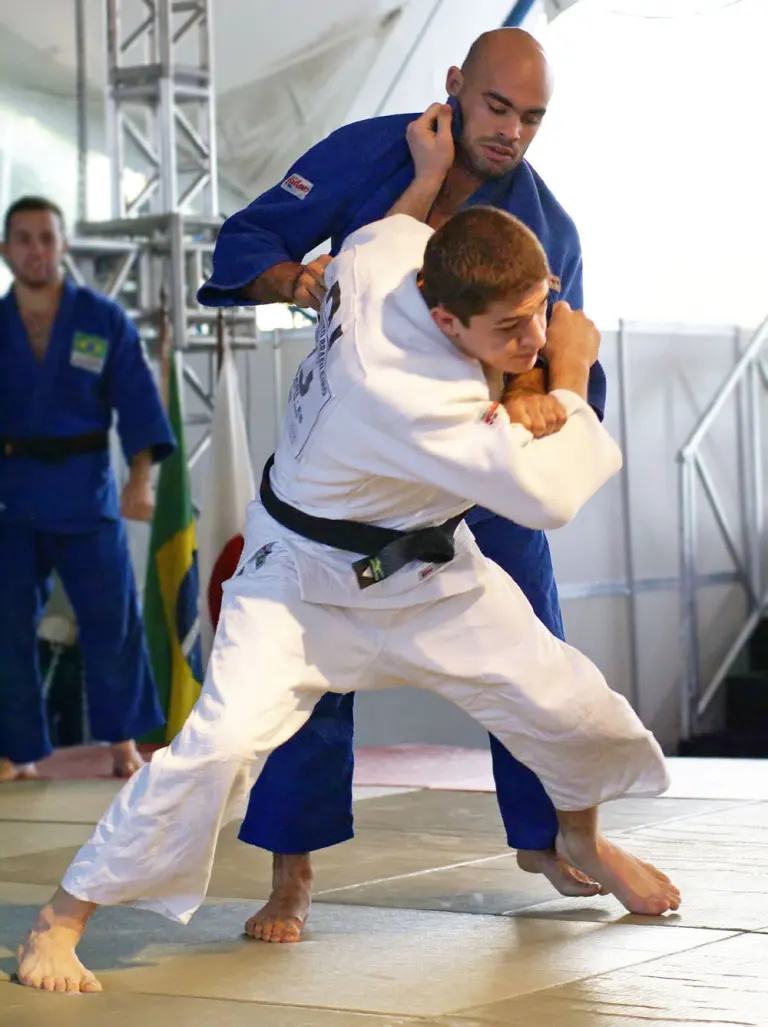
Te-waza are the 16 Kodokan hand techniques, a branch of Judo throwing whose official classification remains broader than current contest legality.
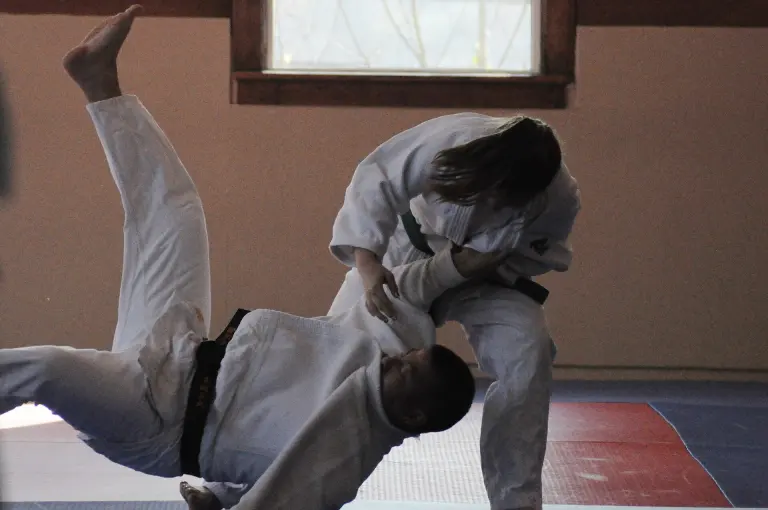
An authoritative guide to Kodokan Judo technique classification, the Gokyo, training methods, and the distinction between the curriculum and current IJF competition rules.
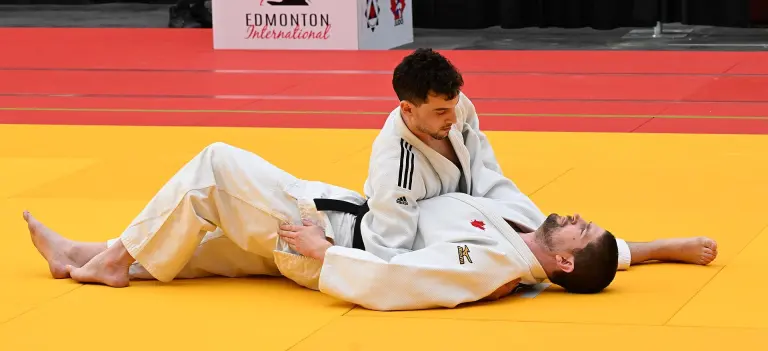
Katame-waza are Judo’s grappling and control techniques: holds, strangles, and joint techniques used within defined safety rules.

Nage-waza are the throwing techniques of Judo, classified by their principal action and use of standing or sacrifice movement.