
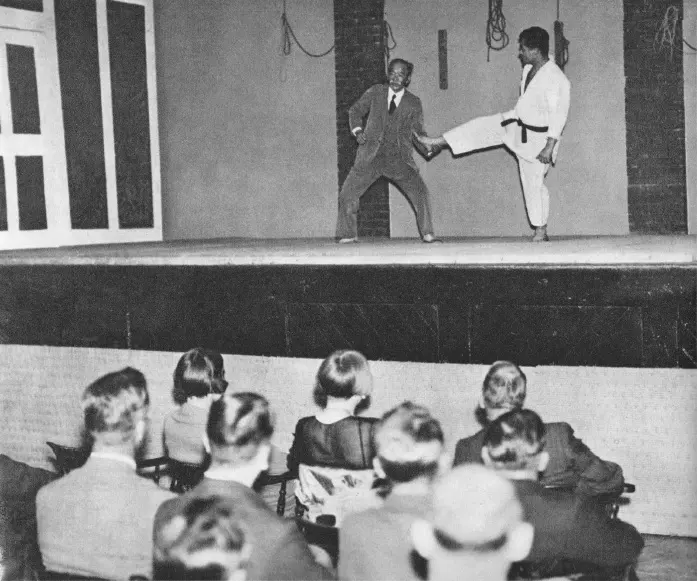
Japanese Martial Arts Lineage Map
A selective visual map connecting classical Jujutsu, Kodokan Judo, Aikido, Okinawan Karate, and later international grappling pathways.
A selective visual map connecting classical Jujutsu, Kodokan Judo, Aikido, Okinawan Karate, and later international grappling pathways.
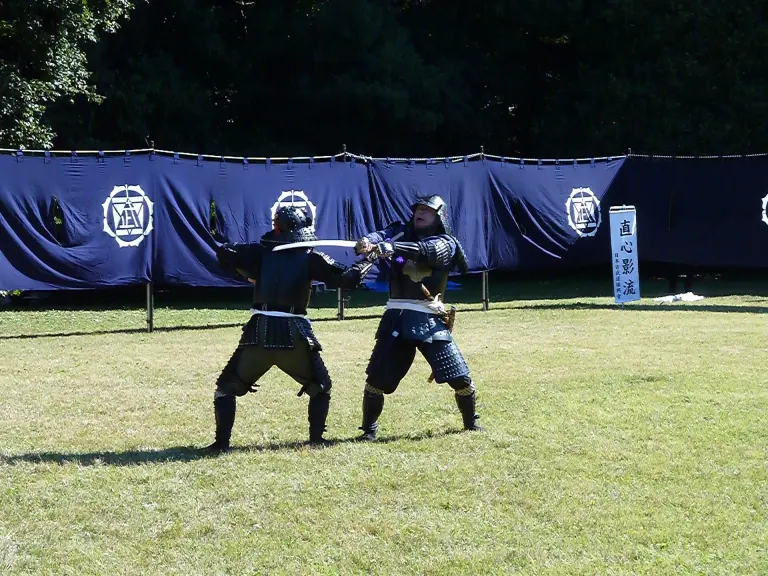
Jutsu and dō are recurring terms in Japanese martial-art names, but spelling, history, institutions, and actual curricula matter more than suffix alone.
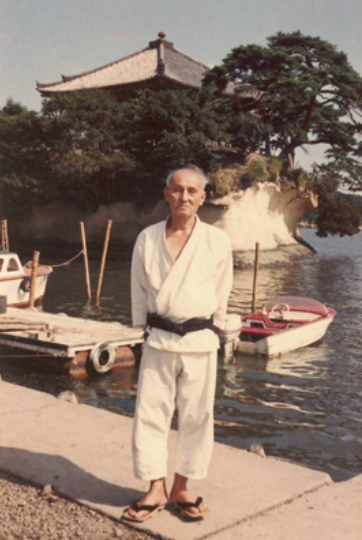
Hironori Ōtsuka founded Wadō-ryū by developing Karate through his prior study of Shindō Yōshin-ryū jūjutsu and Japanese budō.
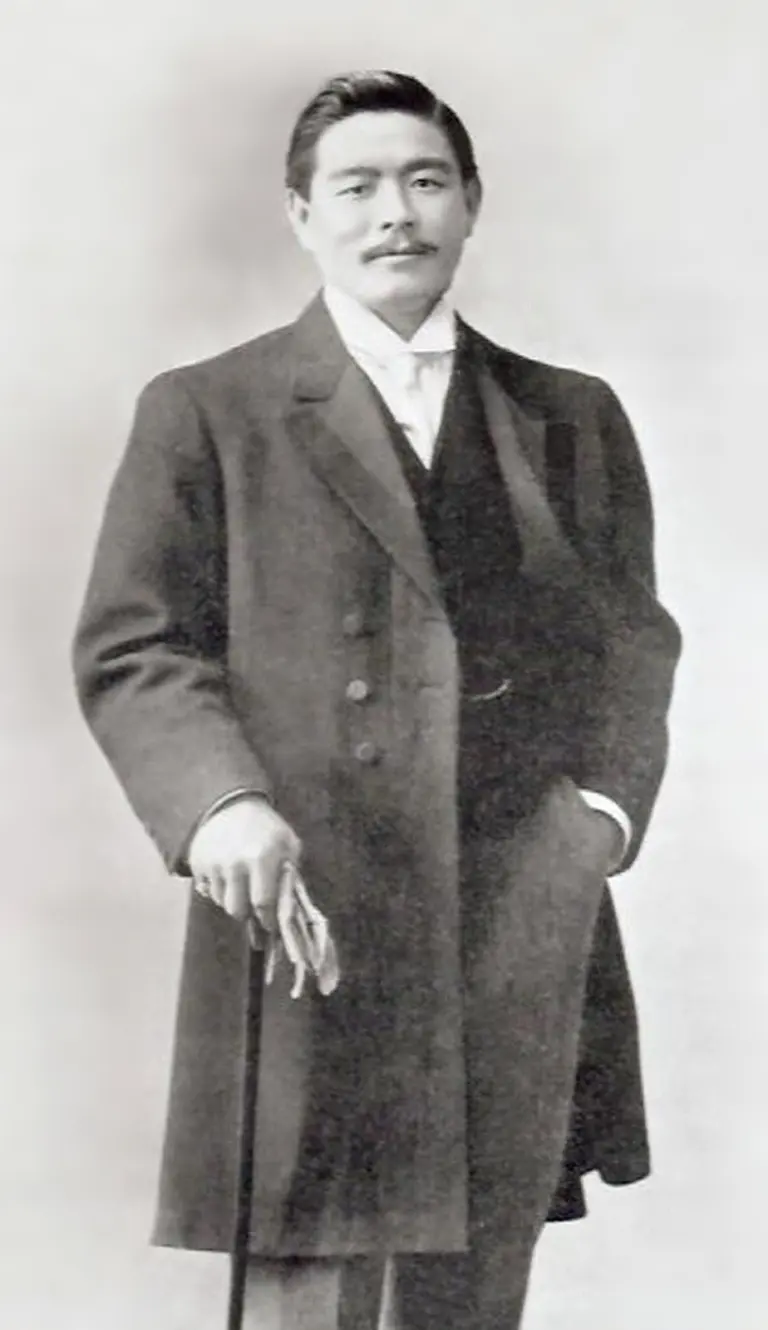
A neutral comparison of Judo, Japanese Jujutsu, and Brazilian Jiu-Jitsu by history, training, techniques, rules, and institutions.
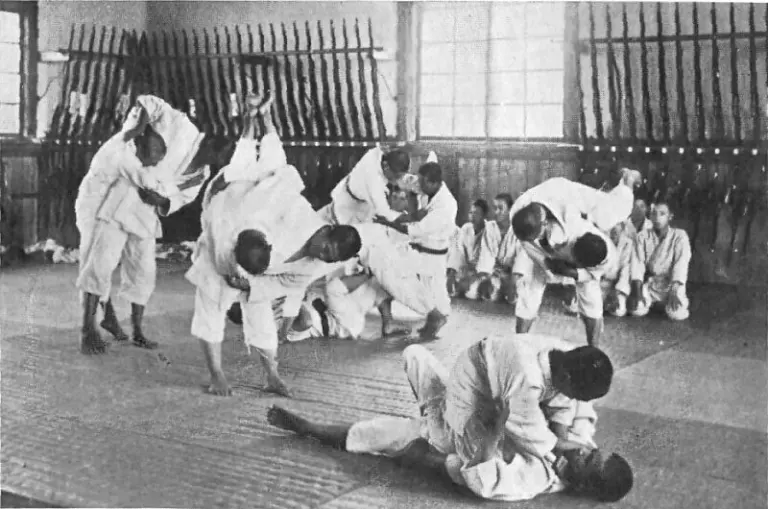
A visual glossary of essential Jujutsu terminology, with Japanese spellings, simple meanings, school-specific cautions, practice roles, technique families and transmission terms.
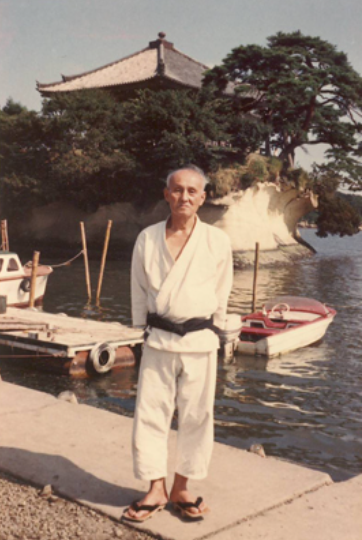
Wadō-ryū is a Japanese karate tradition founded by Hironori Ōtsuka, integrating Okinawan karate with principles from Shindō Yōshin-ryū jujutsu and Japanese budō.
Mataemon Tanabe was a Fusen-ryū jujutsu teacher and judo hanshi whose groundwork became prominent in early inter-school contests.
Takeda Sōkaku was the central documented transmitter of modern Daitō-ryū and the teacher who decisively shaped Morihei Ueshiba’s martial development.
Shibukawa-ryū Jūjutsu is a classical martial tradition founded by Shibukawa Bangorō Yoshikata, with Sekiguchi-ryū roots and later regional branches.