
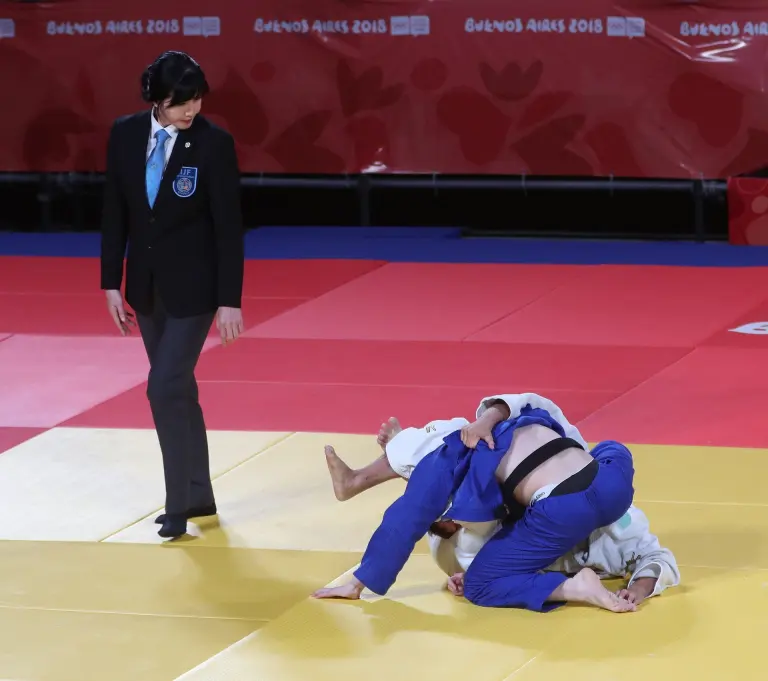
Shido and Hansoku-make
Shido is a warning for a slight Judo infringement; the third becomes hansoku-make, while grave offences can bring immediate disqualification.
Shido is a warning for a slight Judo infringement; the third becomes hansoku-make, while grave offences can bring immediate disqualification.

Current IJF Judo rules explained: contest time, ippon, waza-ari, yuko, pins, penalties, golden score, gripping, leg grabs, and national differences.

Kumi-kata is the method and contest of taking grips in Judo, linking posture, movement, kuzushi, attack, defence, and changing competition rules.
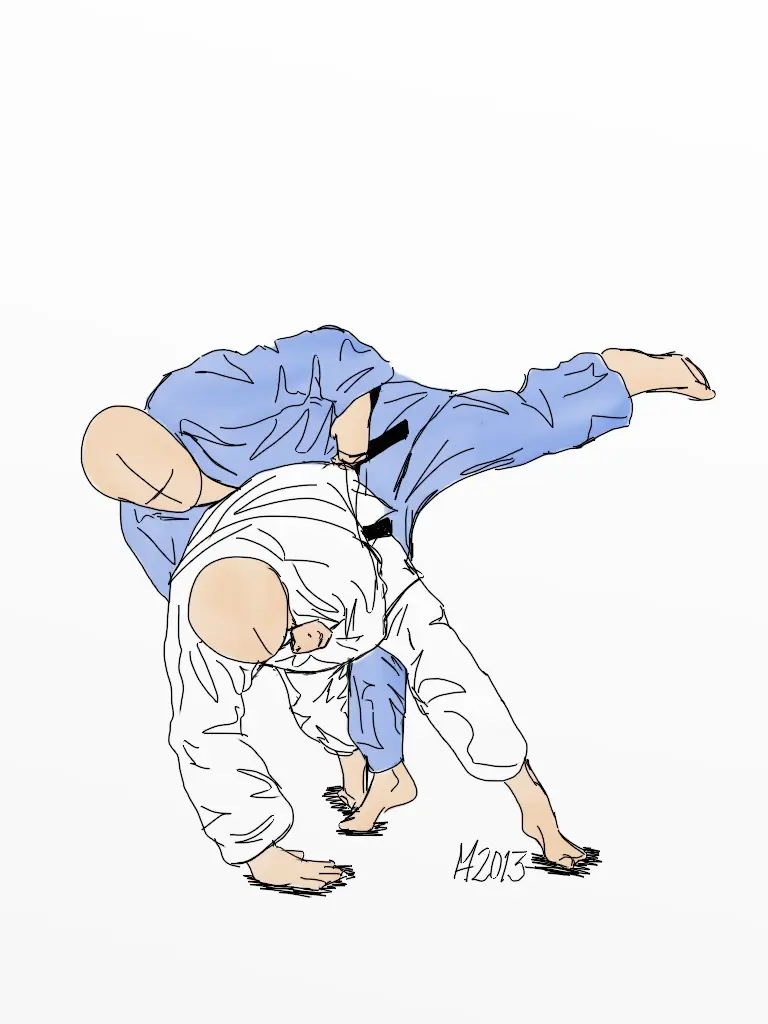
Sutemi-waza are Kodokan sacrifice throws, divided into five rear sacrifice techniques and 16 side sacrifice techniques, with distinct competition restrictions.
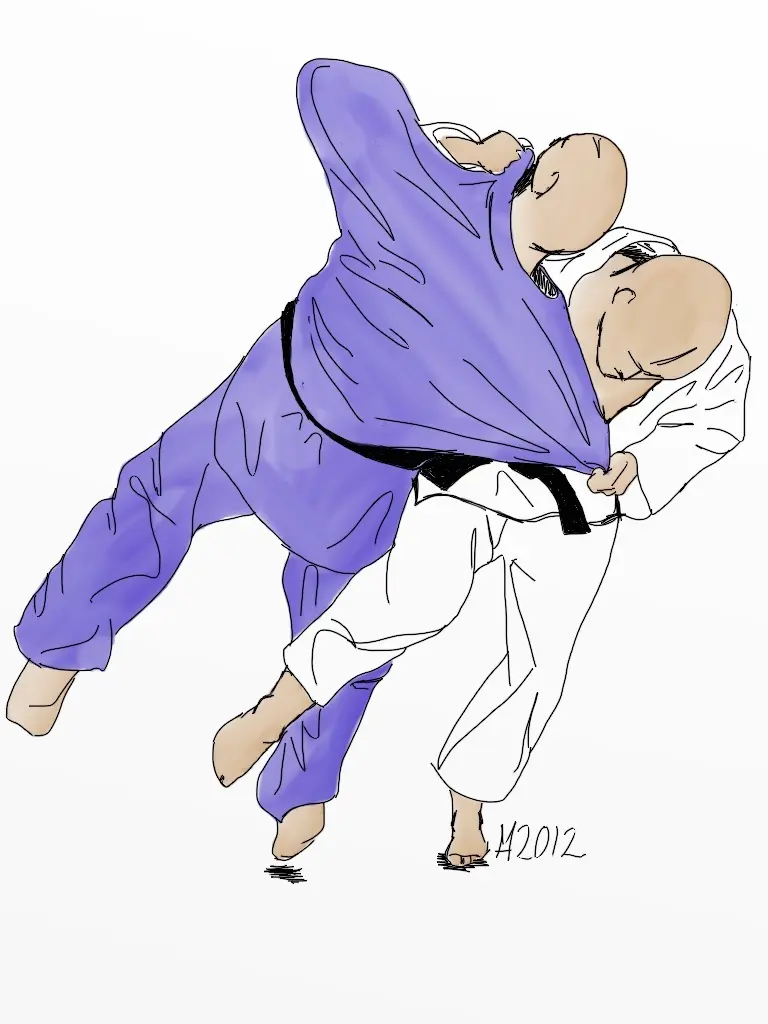
Ashi-waza are the 21 Kodokan foot and leg techniques, including sweeps, reaps, supports, wheels, hooks, drops, and counters.
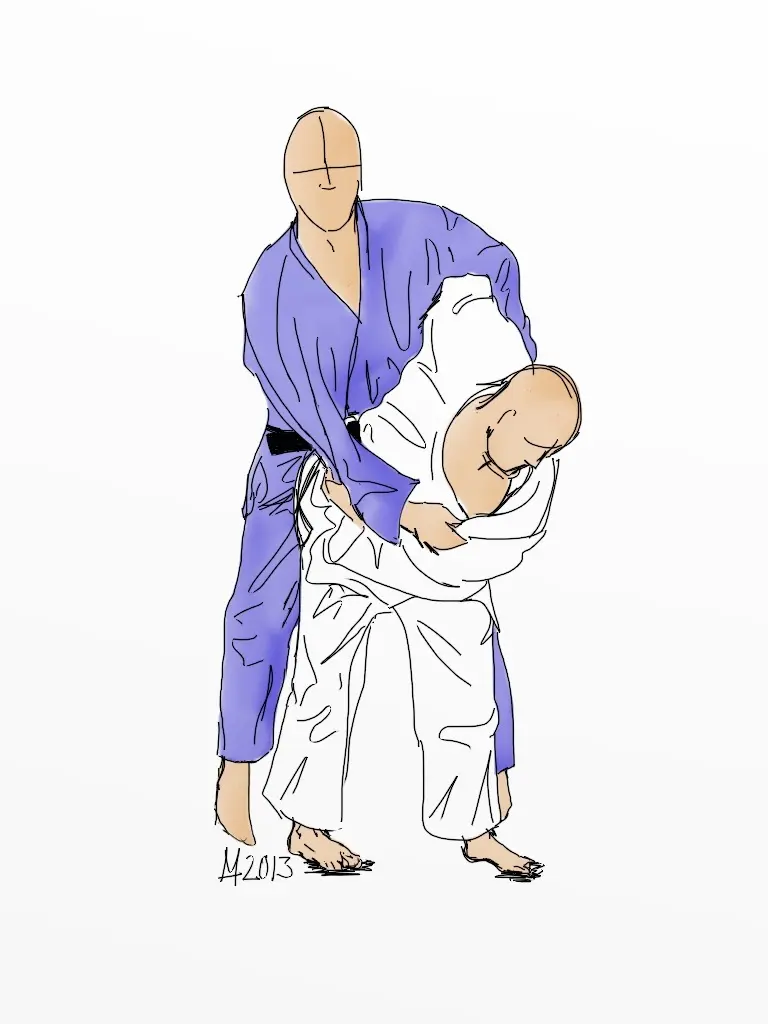
Koshi-waza are the 10 Kodokan hip techniques, defined by the hip’s central role rather than by one fixed grip or execution.
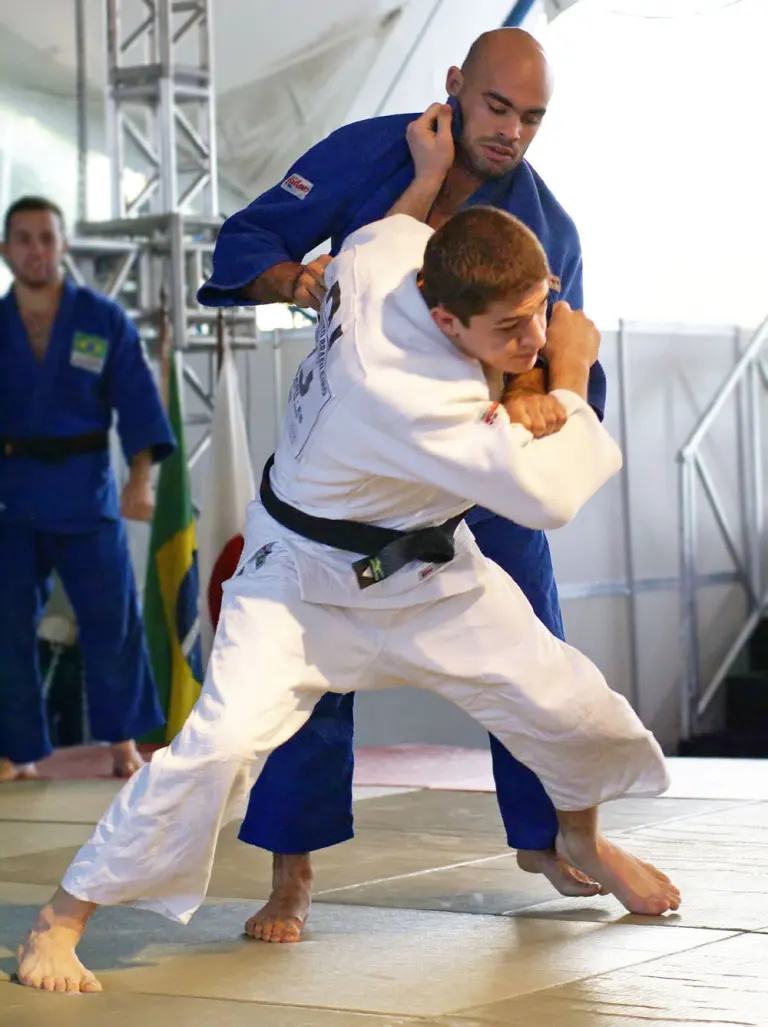
Te-waza are the 16 Kodokan hand techniques, a branch of Judo throwing whose official classification remains broader than current contest legality.
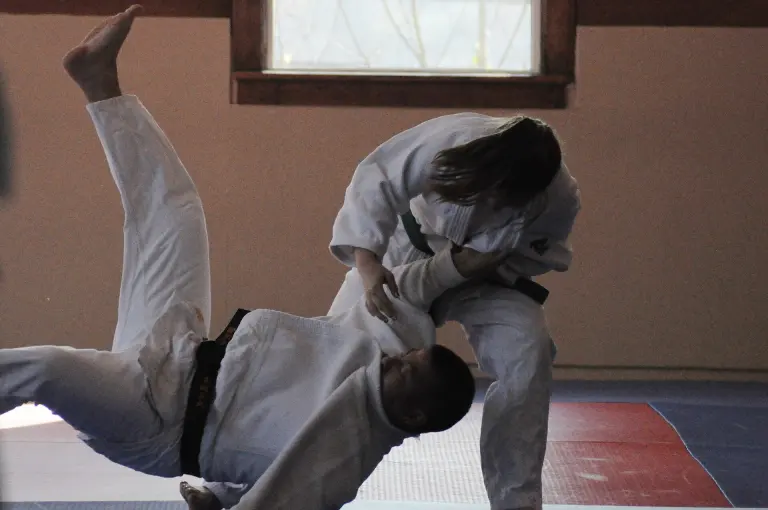
An authoritative guide to Kodokan Judo technique classification, the Gokyo, training methods, and the distinction between the curriculum and current IJF competition rules.