
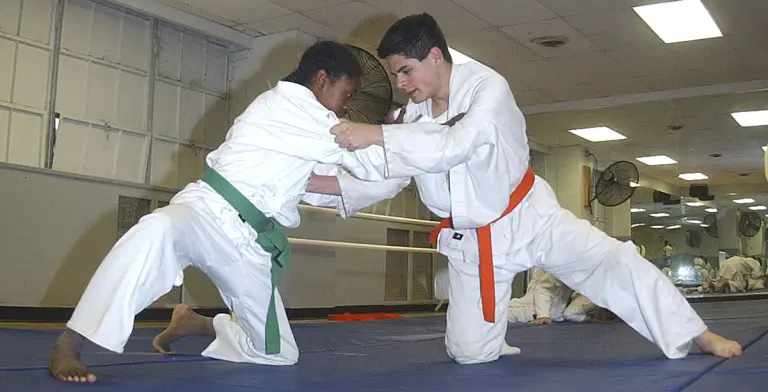
Ne-waza
Understand ne-waza (newaza), Judo groundwork: pins, submissions, escapes and transitions, how it differs from katame-waza, and how competition rules shape ground fighting.
Understand ne-waza (newaza), Judo groundwork: pins, submissions, escapes and transitions, how it differs from katame-waza, and how competition rules shape ground fighting.
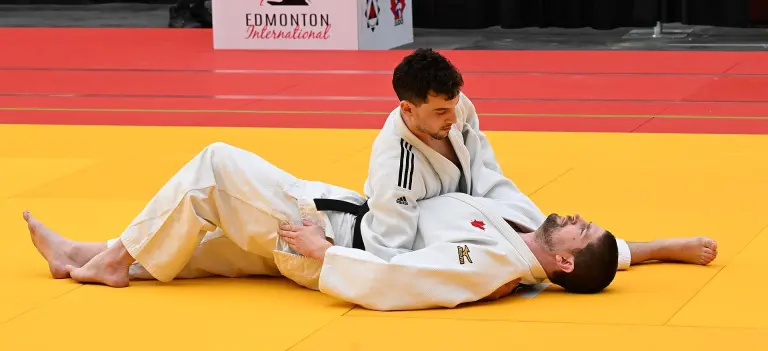
Katame-waza are Judo’s grappling and control techniques: holds, strangles, and joint techniques used within defined safety rules.
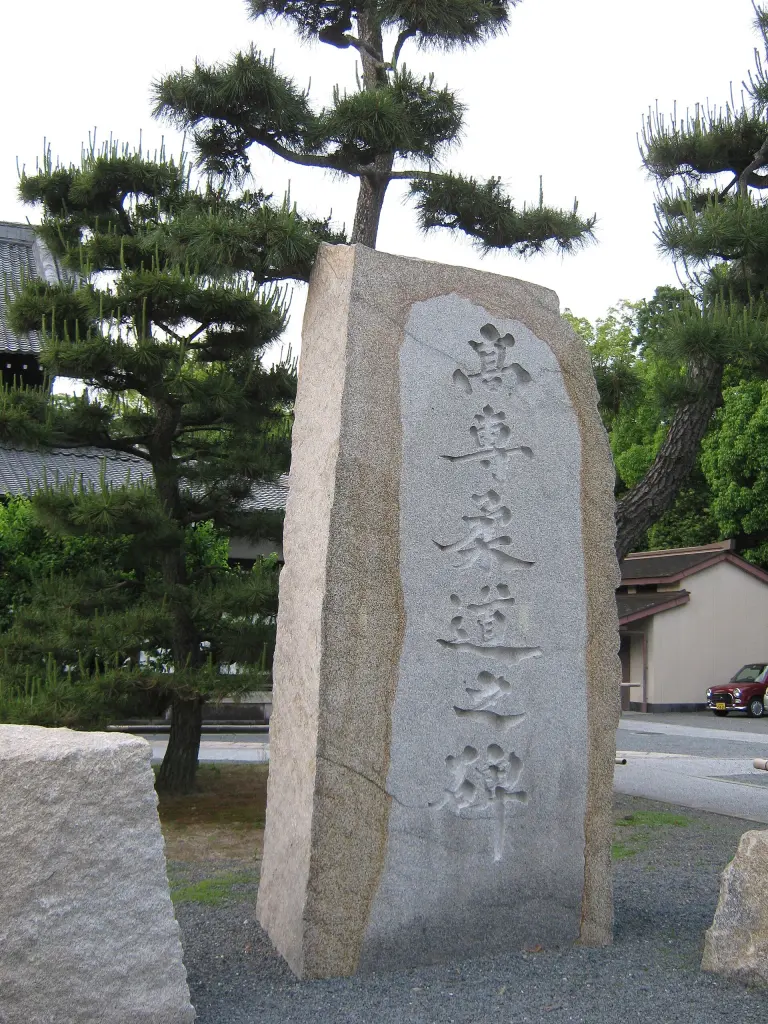
Shichitei Judo is the ground-fighting-oriented team competition maintained by Japan’s seven former Imperial Universities and descended from Kosen Judo.
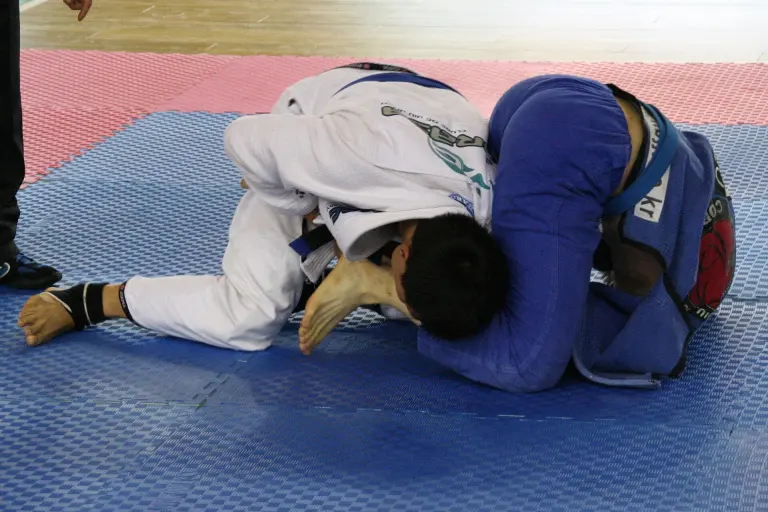
Brazilian Jiu-Jitsu is a Brazilian grappling art and combat sport developed from Kodokan judo and jujutsu transmitted to Brazil in the early twentieth century.
Mataemon Tanabe was a Fusen-ryū jujutsu teacher and judo hanshi whose groundwork became prominent in early inter-school contests.
Fusen-ryū is a late-Edo Japanese jujutsu tradition associated with Takeda Motsugai and Mataemon Tanabe, whose ground-fighting successes became part of early Judo history.