
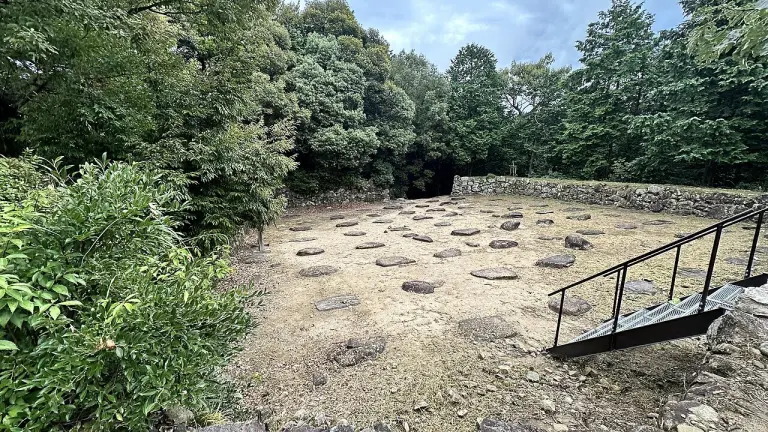
Sengoku Period
The Sengoku period describes Japan’s age of competing regional powers, conventionally beginning with the Ōnin War and ending through a gradual process of unification.
The Sengoku period describes Japan’s age of competing regional powers, conventionally beginning with the Ōnin War and ending through a gradual process of unification.

Learn who fought the Boshin War, why it began, and how imperial forces won. Follow the 1868–1869 timeline from Toba–Fushimi to Hakodate.
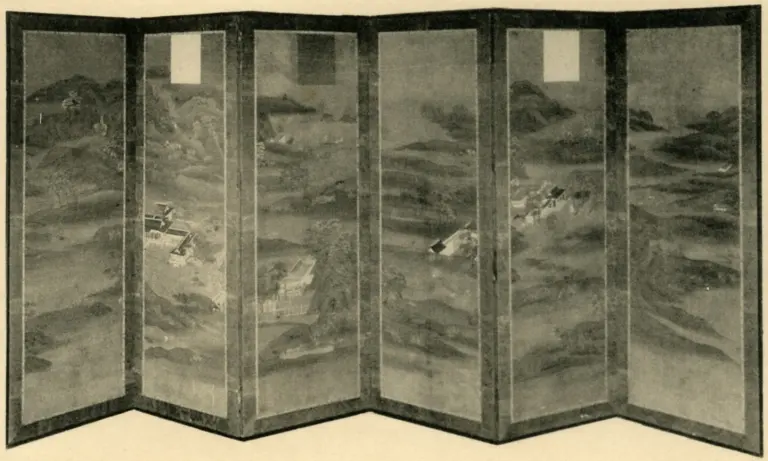
Japanese aesthetics encompasses historically distinct ideas about feeling, suggestion, material age, interval, and urban style across literature, performance, and the arts.
Japanese martial arts encompass classical combat traditions, modern budō, Okinawan karate, weapons practice, grappling, competition, and systems of physical and ethical education.
Saigō Shirō (1866–1922) was an early Kodokan judoka associated with Yama Arashi whose documented career became intertwined with the fictional hero Sanshirō Sugata.
Morihei Ueshiba founded Aikido by transforming Daitō-ryū-derived technique through decades of teaching, religious thought, and institutional change.
Takeda Sōkaku was the central documented transmitter of modern Daitō-ryū and the teacher who decisively shaped Morihei Ueshiba’s martial development.
Shibukawa-ryū Jūjutsu is a classical martial tradition founded by Shibukawa Bangorō Yoshikata, with Sekiguchi-ryū roots and later regional branches.
Gichin Funakoshi (1868–1957) was an Okinawan educator who helped introduce Karate to mainland Japan and inspired the Shotokan tradition.
The Kodokan Judo Institute is the Tokyo institution founded by Jigoro Kano in 1882, serving as a centre for Judo practice, education, research, and archives.