Martial Arts Figures
Mitsuyo Maeda
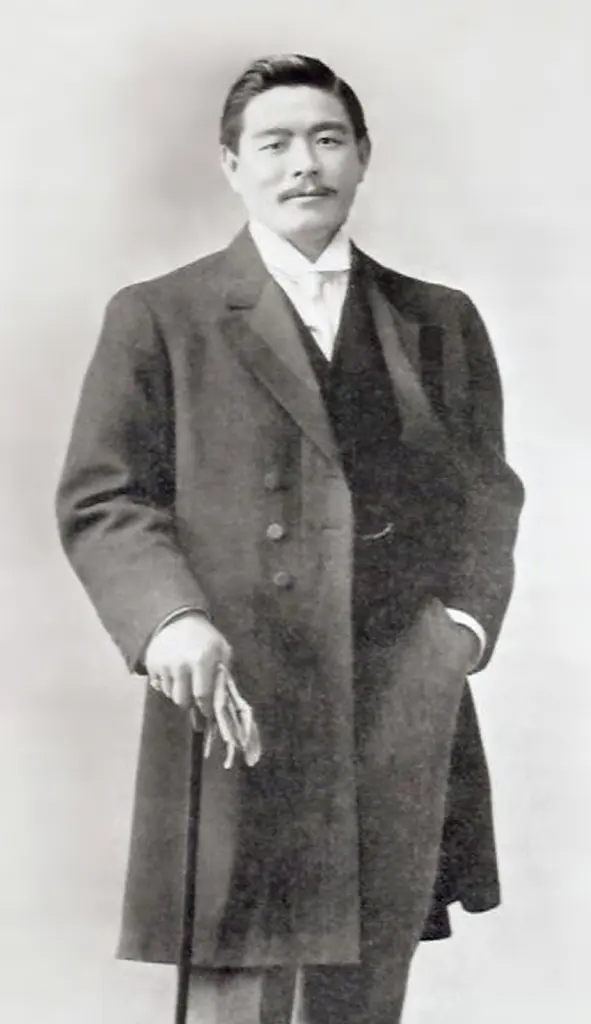
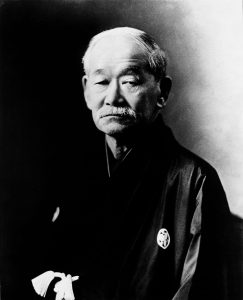
Image: Unknown photographer / Wikimedia Commons · Public domain in Japan
Mitsuyo Maeda (1878–1941) was a Japanese judoka, professional wrestler, and migrant community leader whose travels carried Kodokan Judo across Europe and the Americas. Often billed as Conde Koma, he settled in Belém, Brazil, after arriving in the country in 1914. Maeda taught Japanese grappling to students including members of the Gracie family, and this transmission became one source for the later development of Brazilian jiu-jitsu. The relationship should not be reduced to a simple founding story: Maeda represented early Kodokan practice adapted to public contests, while Brazilian practitioners subsequently reorganised training, rules, and identity. He also worked for Japanese immigration and Amazon settlement projects, giving his Brazilian career a social history beyond martial arts.
Overview
| Japanese name | 前田光世 |
|---|---|
| Also known as | Conde Koma; Count Koma |
| Born | 18 November 1878, Funazawa, Aomori Prefecture, Japan |
| Died | 28 November 1941, Belém, Pará, Brazil |
| Principal art | Kodokan Judo |
| Historical importance | International judo transmission and an early source of Brazilian jiu-jitsu |
Early life and Kodokan training
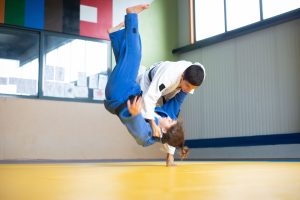
Maeda was born in Funazawa, in present-day Hirosaki, Aomori Prefecture. He moved to Tokyo as a young man and entered the Kodokan in 1897. There he trained within the institution created by Jigoro Kano to reorganise older jujutsu methods as Judo.
His generation learned while Kodokan Judo was still defining its technical curriculum, educational claims, and competitive reputation. Maeda became known for practical grappling ability and was promoted to third dan in 1901 before beginning the overseas career that shaped his public identity.
From Japan to the Atlantic world
Maeda left Japan in 1904 as part of a small group of Kodokan practitioners who demonstrated and taught Judo abroad. He appeared in the United States, Mexico, Cuba, Britain, continental Europe, and other locations, sometimes in formal demonstrations and sometimes in commercial challenge matches.
These encounters did not always follow Kodokan sporting rules. Promoters used labels such as jiu-jitsu, and Maeda adjusted tactics to opponents, venues, and local expectations. His career therefore illustrates how Japanese martial arts changed when they entered theatres, circuses, wrestling circuits, and newspaper publicity.
Conde Koma
The ring name Conde Koma, usually rendered in English as Count Koma, became closely associated with Maeda during his travels. The title was promotional rather than hereditary. It helped create a memorable public persona for audiences who knew little about Japanese ranks or institutions.
Reports of Maeda's contests vary in detail and often repeat later legend. Reliable accounts distinguish the documentary record of his movements from unverified totals for victories or claims that every match used the same rules.
Arrival and settlement in Brazil
Maeda arrived in Brazil in 1914 and eventually based himself in Belém, Pará. He continued demonstrations and instruction while becoming involved with Japanese migration, naturalisation, and plans for agricultural settlement in the Amazon region.
Brazilian archival records, including passport and naturalisation materials, place martial teaching within this wider immigrant history. Maeda was not simply a visiting fighter; he became a long-term resident working between Japanese and Brazilian communities.
Connection to Brazilian jiu-jitsu
According to the best-known lineage account, Maeda taught Carlos Gracie after receiving assistance from Carlos's father, Gastão Gracie. Carlos and his brothers later developed a family school that emphasised ground control, submissions, challenge matches, and distinctive teaching and promotional methods.
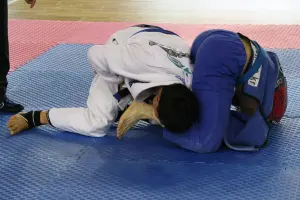
Maeda is consequently central to the history of Brazilian Jiu-Jitsu, but he did not create the later system in its finished form. Scholars treat Brazilian jiu-jitsu as a transnational development shaped by Kodokan practice, professional wrestling, local competition, family organisation, and subsequent reinvention.
Judo, jujutsu, and public contests
Early twentieth-century English and Portuguese sources often used judo and jiu-jitsu inconsistently. Maeda was a Kodokan judoka, yet commercial notices commonly presented his practice as Japanese jiu-jitsu because that term was already familiar to overseas audiences.
His contest experience encouraged attention to groundwork and submissions, but it is misleading to describe his teaching as detached from Judo. The more useful distinction is between Kodokan institutional rules and the varied conditions under which an itinerant professional demonstrated and tested related techniques.
Later life and legacy
Maeda remained in Pará and became a Brazilian citizen. He died in Belém on 28 November 1941. His reputation now joins several histories: the global spread of Judo, Japanese migration to Brazil, professional combat entertainment, and the genealogy claimed by Brazilian jiu-jitsu schools.
Modern retellings sometimes turn this complex career into a single heroic chain of transmission. A more precise view recognises both Maeda's importance and the independent work of the Brazilian practitioners and institutions that transformed what they learned.
Timeline
1878 — Born in Aomori Prefecture. 1897 — Entered the Kodokan. 1904 — Left Japan for overseas demonstrations. 1914 — Arrived in Brazil. 1920s — Taught and supported Japanese settlement activity in Pará. 1941 — Died in Belém.
Sources
Last updated: