Dojo & Institutions
Keishicho Martial Arts Dojo
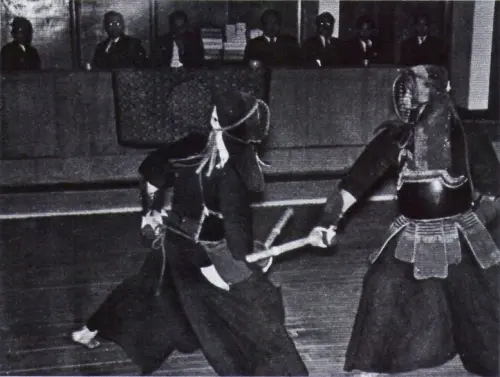
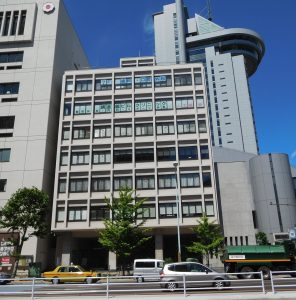
Image: Unknown photographer / Wikimedia Commons / The Hundred-Year History of the Metropolitan Police Department · Public domain
The Keishicho martial arts dojo is the training base used by the Tokyo Metropolitan Police Department for judo and kendo within its Police Skills Center. English references often describe a Keishicho or Metropolitan Police dojo, but the department's current public wording identifies the facility as the dojo inside the Jutsuka Center (Police Skills Center), not as an independently named tourist site. Police martial training has a much longer history than the present facility. After the Satsuma Rebellion of 1877, the Metropolitan Police helped revive sword training and developed standardised instruction drawn from several schools. Today martial education serves professional preparation, competitive teams, instructor development, and youth outreach. The operational dojo is not presented by the department as a general public attraction.
Overview
| Current Japanese description | 警視庁術科センター内の道場 |
|---|---|
| Institution | Tokyo Metropolitan Police Department (Keishicho) |
| Current base | Police Skills Center |
| Principal budo | Judo and kendo |
| Administrative unit | Education Division |
| Public status | Operational police training facility |
Name and scope
Keishicho is the Japanese name of the Tokyo Metropolitan Police Department. Budojo or budo dojo can describe a martial-arts training hall, but current official public information refers more specifically to the dojo within the Police Skills Center.
This page covers that present institutional setting and the longer history of Metropolitan Police martial training. It does not publish security-sensitive operational details or treat the facility as an ordinary public dojo.
Police swordsmanship after 1877
Swordsmanship declined after the Meiji Restoration removed samurai privileges, but the performance of sword-armed police in the Satsuma Rebellion helped renew official interest. Police commissioner Kawaji Toshiyoshi supported kenjutsu as useful training for constables.
This police adoption was important to the survival and reorganisation of sword practice in modern institutions. It should not be reduced to one battle: recruitment of skilled instructors, regular practice, competitive exchange, and administrative standardisation gave the revival lasting form.
Keishicho-ryu and standardisation
The Metropolitan Police developed Keishicho-ryu kata by selecting material associated with several sword traditions. The aim was not to preserve every school intact, but to create a shared instructional programme for officers drawn from different backgrounds.
Police practice thereby helped move Japanese sword training from lineage-specific instruction toward common institutional forms. That process later overlapped with national standardisation promoted by the Dai Nippon Butoku Kai and with the development of modern kendo.
Judo and kendo in police education
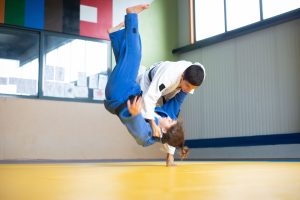
Modern police martial education links technical skill with physical conditioning, composure, discipline, and duties that may require arrest or rescue. Judo and kendo are also major competitive activities within police sport, supported by specialised coaches and experienced instructors.
The relationship is reciprocal. Police institutions offered stable careers and demanding training environments for prominent practitioners, while developments in Judo and kendo shaped police curricula, examinations, and competition.
The Police Skills Center
The Metropolitan Police’s postwar martial education also included a long association with Yoshinkan Aikido, beginning in the late 1950s and later developing an intensive training course.
The Tokyo Metropolitan Police Department states that its judo and kendo teams use dojo inside the Police Skills Center as their base. University teams, corporate teams, and other prefectural police groups may visit for joint practice.
The wider centre also supports other police skills. The martial-arts dojo should therefore be understood as part of a professional training complex rather than as a freestanding heritage building.
Competition and instructor careers
Keishicho athletes compete in national police events and in major open judo and kendo championships. High-level competition gives the training centre public visibility, but only a small proportion of police personnel belong to elite representative teams.
Official career information also describes pathways for experienced competitors to become martial-skills instructors after active competition. This helps preserve institutional knowledge while connecting competitive achievement to the department's broader educational needs.
Youth outreach and public access
The department presents judo and kendo as tools for youth development, etiquette, self-discipline, and delinquency prevention. Such programmes belong to community and educational work, not merely to officer combat preparation.
The central training facility itself is operational. Public attendance, observation, or participation should never be assumed from descriptions of visiting teams or outreach programmes; only current official notices can establish whether a particular event is open.
Sources
Last updated: