Dojo & Institutions
Nippon Budokan
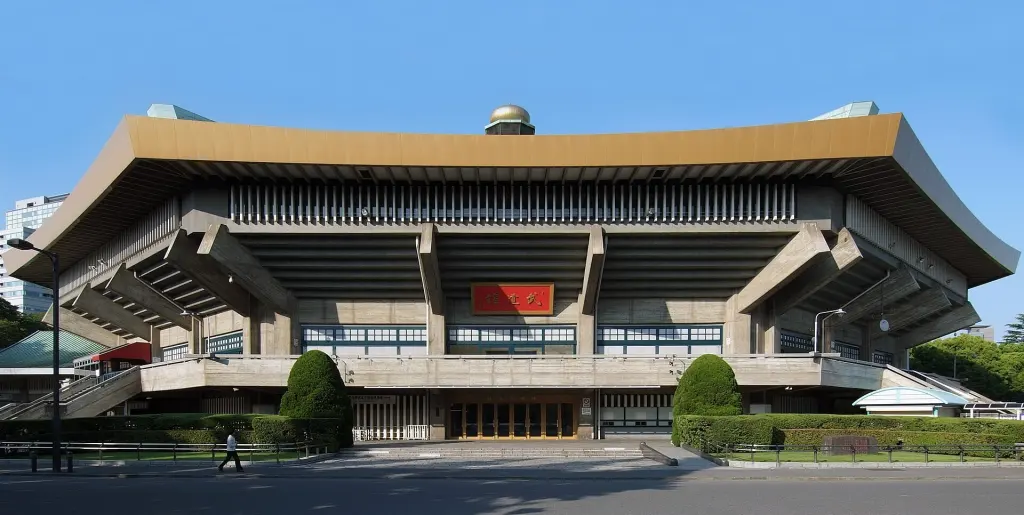
Image: Wiiii / Wikimedia Commons · CC BY-SA 3.0
Nippon Budokan is a large indoor arena in Kitanomaru Park, central Tokyo. It opened in 1964 as the venue for the first Olympic judo competition and as a national centre for the promotion of Japanese budo. Designed by Mamoru Yamada, the octagonal building is recognised by its sweeping roof and central finial. Its programme has always been broader than one sport: national martial-arts tournaments, demonstrations, school activities, memorial ceremonies, and professional concerts all take place there. The Beatles' 1966 performances helped establish the Budokan as an internationally familiar music venue, while major judo and karate events preserve its martial identity. It should not be confused with Tokyo Budokan, a separate public sports complex in Adachi Ward.
Overview
| Japanese name | 日本武道館 |
|---|---|
| Location | Kitanomaru Park, Chiyoda, Tokyo |
| Completed | September 1964 |
| Architect | Mamoru Yamada |
| Original Olympic role | Judo venue for the 1964 Tokyo Games |
| Primary functions | Budo events, education, ceremonies, and entertainment |
Name and institutional role
Nippon Budokan literally means Japan Martial Arts Hall. The name refers both to the arena and to the public-interest foundation that operates it and promotes budo through tournaments, training, research, publications, and educational programmes. In English, Budokan is often used as a short proper name rather than translated.
The building is national in symbolism but is not the headquarters of a single martial art. Judo, kendo, karate, aikido, kyudo, sumo, and other disciplines have used it for major events, while their technical governance remains with separate organisations.
The 1964 Olympic project
Construction began in October 1963 and was completed in time for the Tokyo Olympics. Judo entered the Olympic programme there in October 1964, giving the new hall an immediate place in both Japanese sports history and the international presentation of budo.
The project joined government support with a broader campaign to establish a permanent venue for martial-arts promotion. Its location inside Kitanomaru Park, close to the Imperial Palace, reinforced the ceremonial and national character intended for the building.
Architecture and symbolism
Mamoru Yamada designed an octagonal arena with a roof profile frequently compared with Mount Fuji and traditional temple architecture. The crowning finial and broad eaves give a monumental silhouette while the interior keeps spectators close to a central competition floor.
The design is modern reinforced-concrete architecture rather than a reconstruction of a historical dojo. Its importance lies in the deliberate combination of contemporary engineering, mass spectatorship, and visual references intended to communicate Japanese cultural identity.
Budo events and education
Shorinji Kempo is one of the modern disciplines represented in shared budo demonstrations and educational programmes.
Sumo is included in the shared budo framework presented through Nippon Budokan programmes, while professional Grand Sumo centres on the Japan Sumo Association and its tournament venues.
National championships, demonstrations, and large youth gatherings make the Budokan a shared stage for different forms of Japanese martial arts. Annual events can bring together arts that otherwise have distinct rules, histories, and governing bodies.
The operating foundation also supports research, publications, and training at associated facilities. The arena therefore functions as a public symbol and event venue within a wider educational institution, not simply as a rentable sports hall.
Music and public culture
The Beatles performed at Nippon Budokan from 30 June to 2 July 1966. The concerts were controversial to some observers who believed a martial-arts hall should retain a more restricted ceremonial purpose, but they helped establish the building as a prestigious concert venue.
Recordings titled Live at Budokan later made the name familiar to international music audiences. This double identity—martial landmark and popular-performance arena—is a defining part of the building's cultural history.
Renovation and Tokyo 2020
A major renovation before the Tokyo 2020 Games renewed building systems and accessibility while preserving the recognised exterior. The delayed Olympic programme brought judo back to the venue and introduced Olympic karate there; Paralympic judo was also held in the arena.
The return connected two Tokyo Olympic eras without making the building a museum piece. Nippon Budokan remains an active venue whose meaning changes with the competitions, ceremonies, and performances staged inside it.
Visiting and name confusion
Access to the arena depends on the event schedule; it is not an open practice hall that visitors can enter at any time. Public transport information, admission conditions, and photography rules should be checked with the organiser of each event.
Nippon Budokan in Chiyoda is distinct from Tokyo Budokan in Ayase, Adachi Ward. English search results sometimes shorten both names to Budokan, so the location and event organiser should be confirmed before travelling.
Sources
Last updated: