
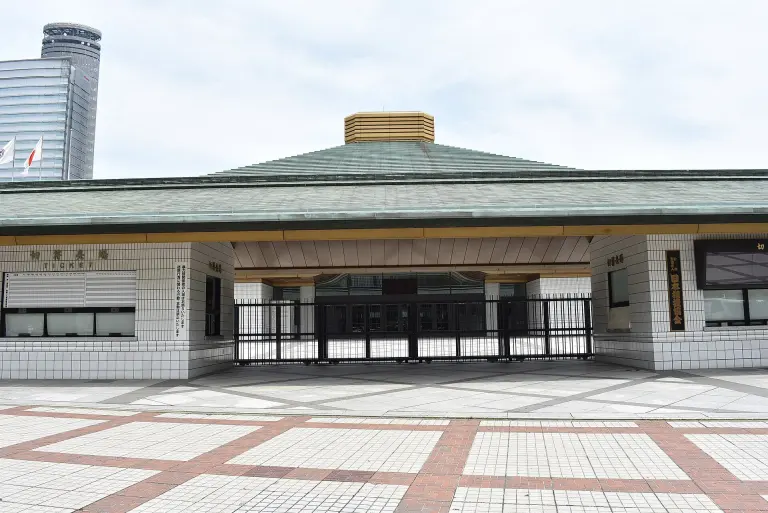
Ryōgoku Kokugikan
Tokyo’s principal Grand Sumo arena, institutional headquarters, museum setting, and landmark in the Ryōgoku neighbourhood.
Tokyo’s principal Grand Sumo arena, institutional headquarters, museum setting, and landmark in the Ryōgoku neighbourhood.
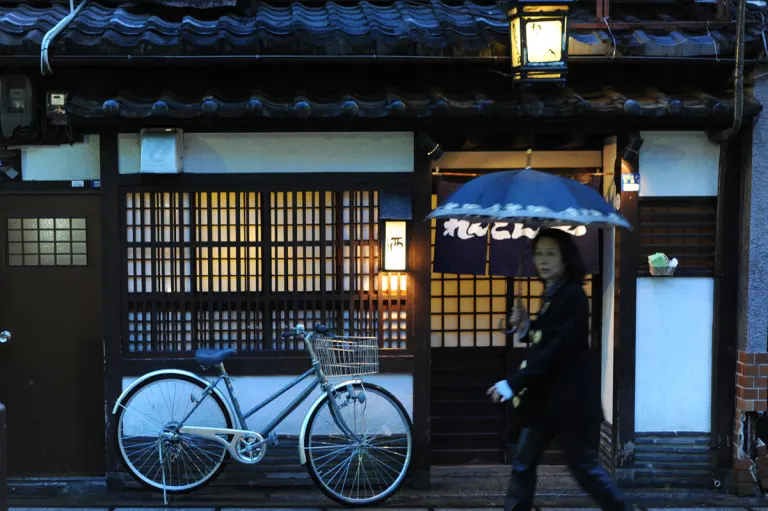
An overview of architecture in Japan, from early dwellings and religious buildings to flexible interiors, modern design, and preservation.
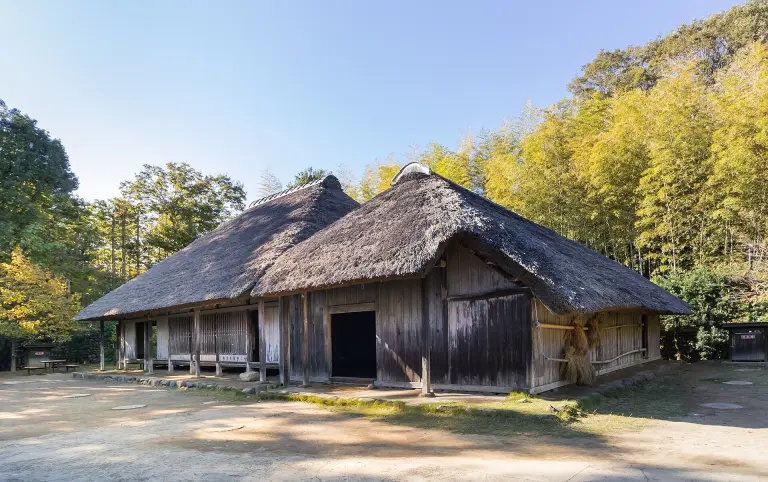
A Japanese house is not one fixed style but a changing family of dwellings shaped by climate, materials, domestic customs, and modern building systems.
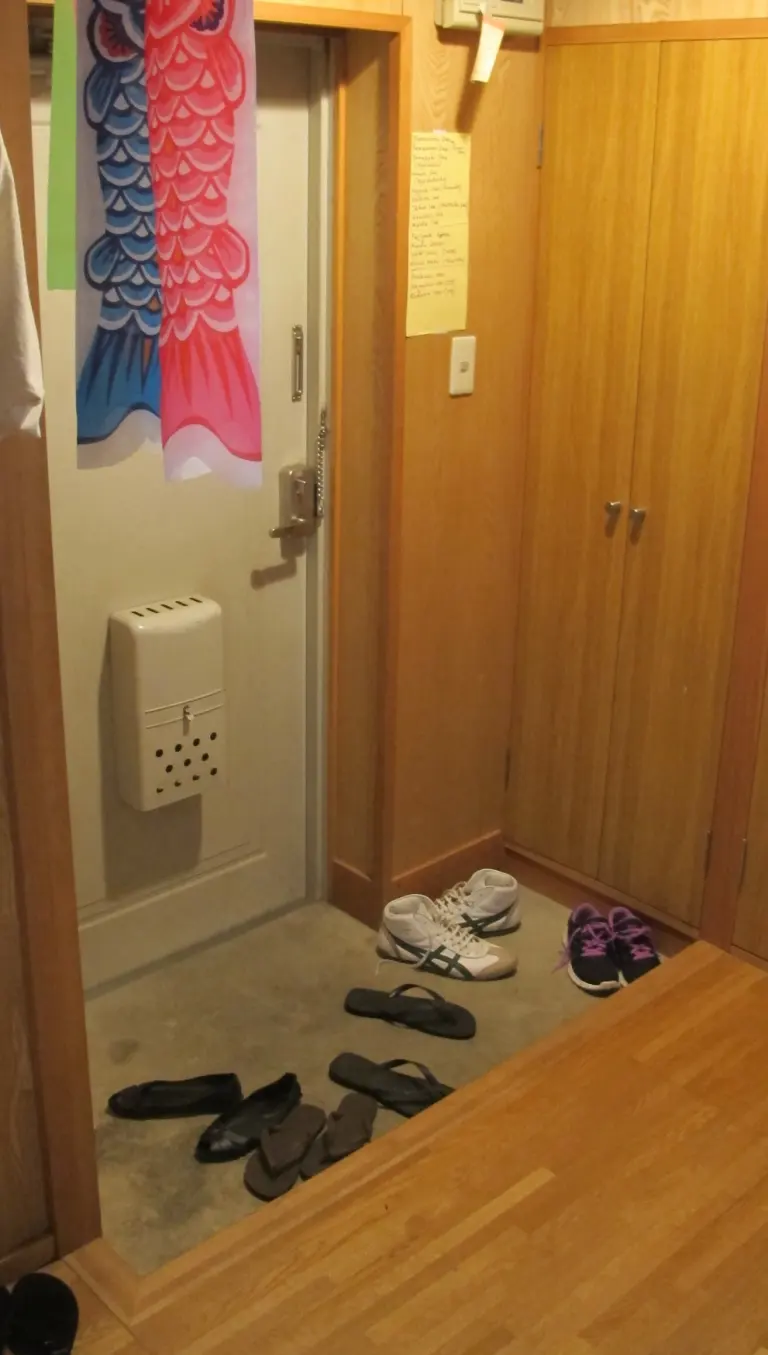
A genkan is the entry zone of a Japanese home or building where outside and raised interior spaces meet and shoes are commonly removed.
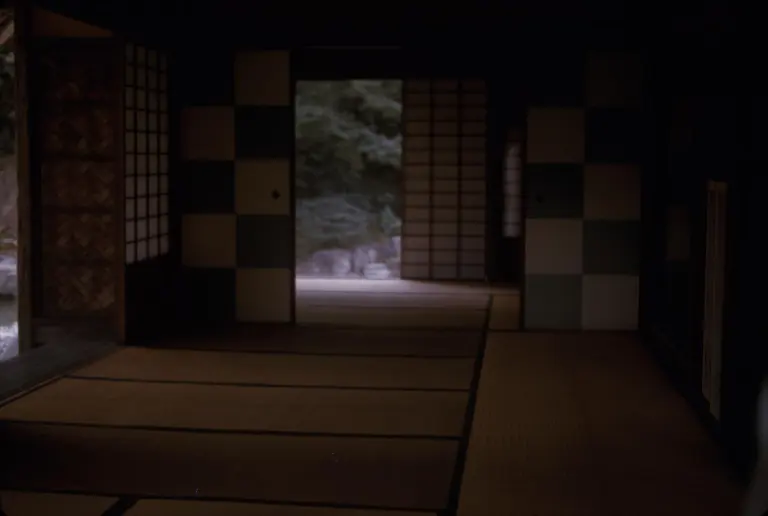
Ma is a Japanese word for interval or between-ness whose spatial and temporal relationships matter in architecture, performance, music, and design.
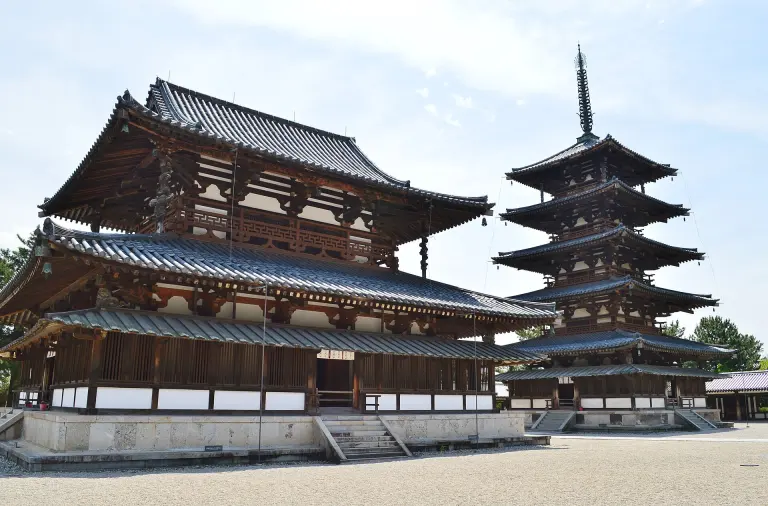
A Japanese Buddhist temple is a religious institution and built compound whose layout, images, clergy, and community roles vary by school and period.
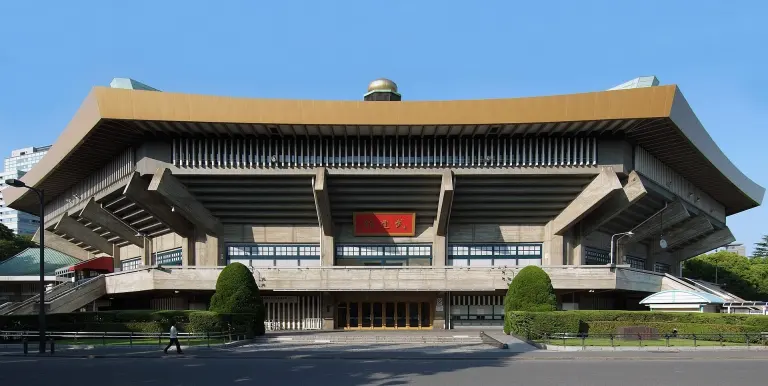
Nippon Budokan is a landmark arena in central Tokyo, opened for Olympic judo in 1964 and used for budo events, education, ceremonies, and concerts.
Torii are gateways marking transitions into Shinto sacred space, with forms that vary by structure, material, colour, setting, and history.