
Sumo Championship System
Professional sumo championships reward the best tournament record, with playoffs resolving ties and a history distinct from rank, promotion and special prizes.
Professional sumo championships reward the best tournament record, with playoffs resolving ties and a history distinct from rank, promotion and special prizes.
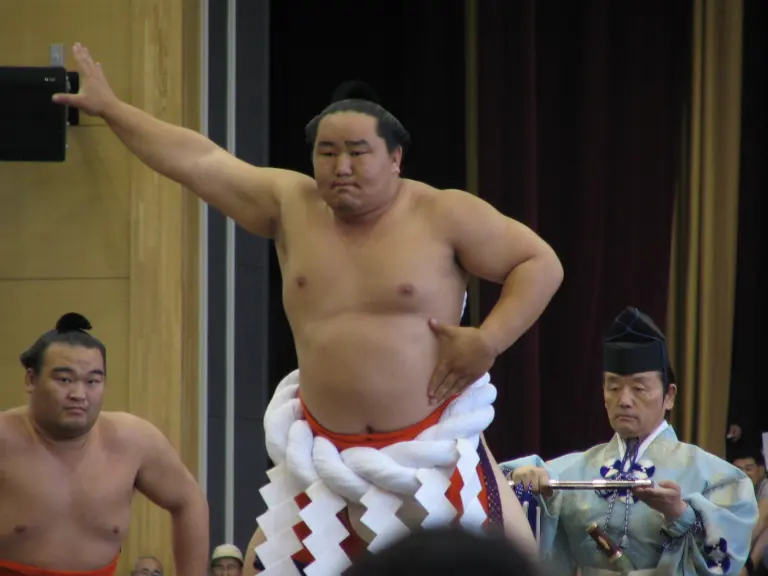
The yokozuna ring-entering ceremony combines the grand champion’s rope, attendants and formal movements, with two recognised styles and a history of ritual display.
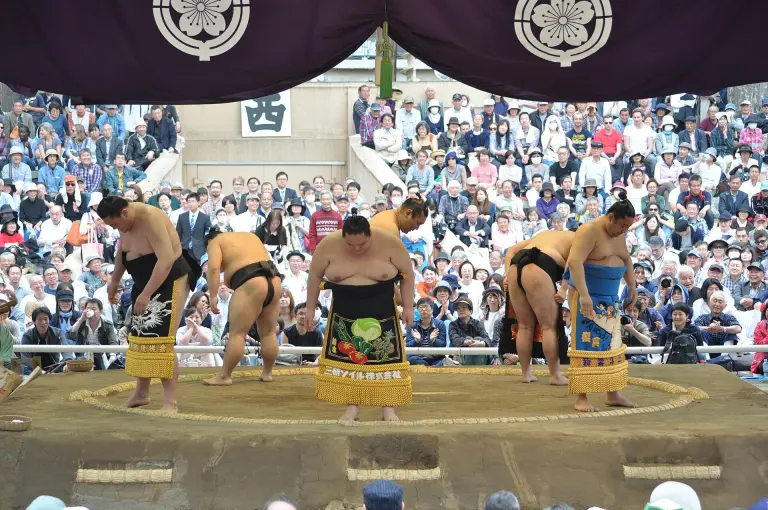
The unaccompanied song tradition associated with sumo, combining a solo voice, answering calls, and lyrics for public and community occasions.
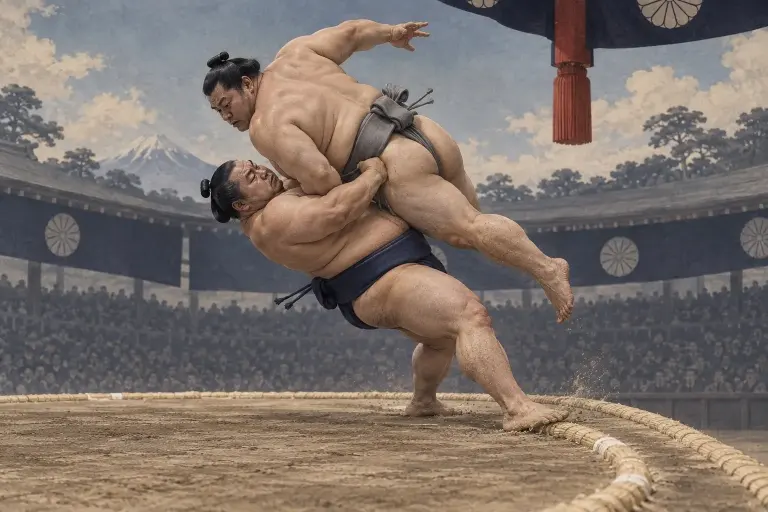
Utchari is an official sumo kimarite in which at the boundary, the defender lowers the hips, arches back, loads the attacker on the abdomen, and twists the attacker out.
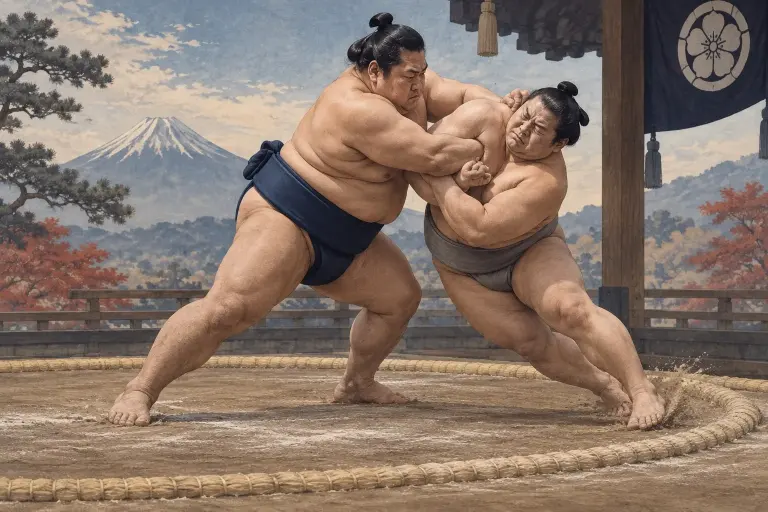
Kimedashi is an official sumo kimarite in which the attacker locks one or both inside arms at the elbows, shoulders, or neck and forces the opponent out.
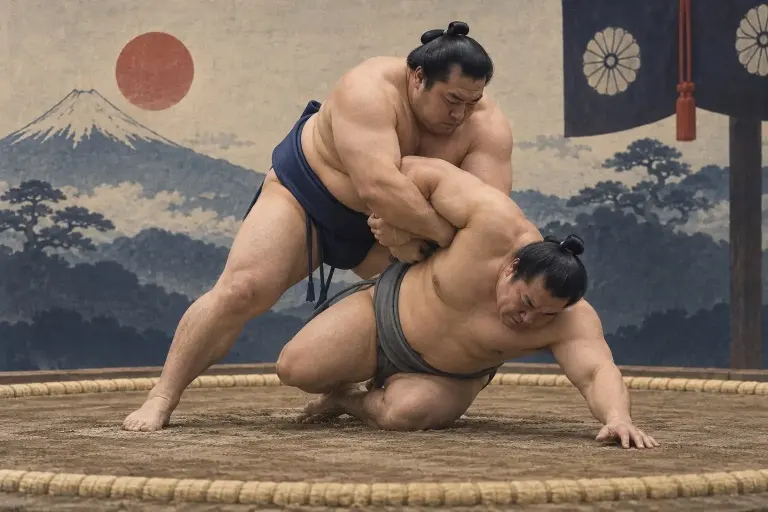
Kimetaoshi is an official sumo kimarite in which the attacker envelops the opponent’s inside arms, tightens the joints, and swings or forces the opponent down.
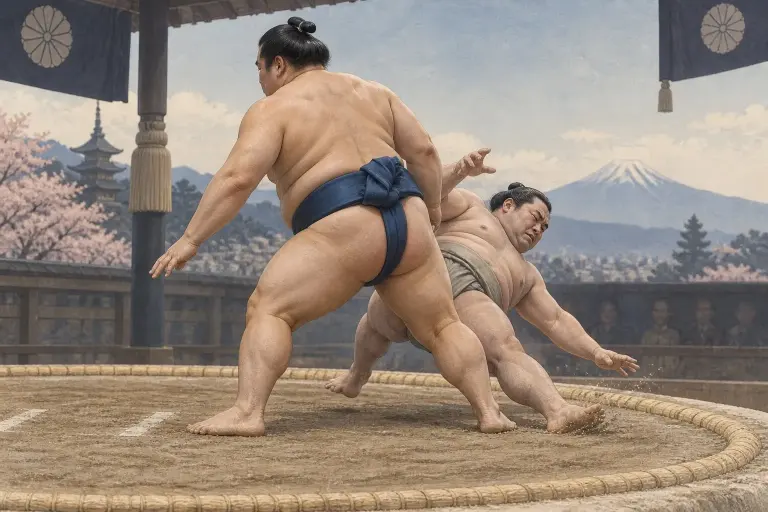
Ushiromotare is an official sumo kimarite in which with the back turned, the attacker leans into an opponent behind and forces that opponent out or down.
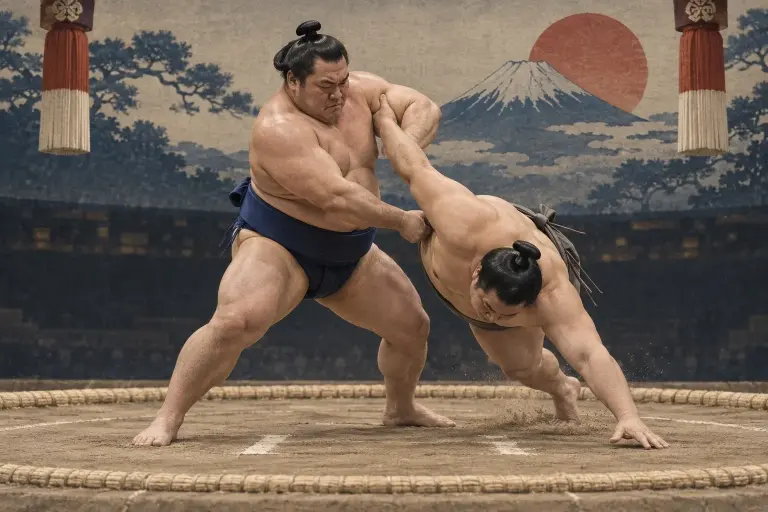
Yobimodoshi is an official sumo kimarite in which the attacker draws the opponent into the chest, uses the rebound, turns an inside arm upward, and drives the opponent forward and down.
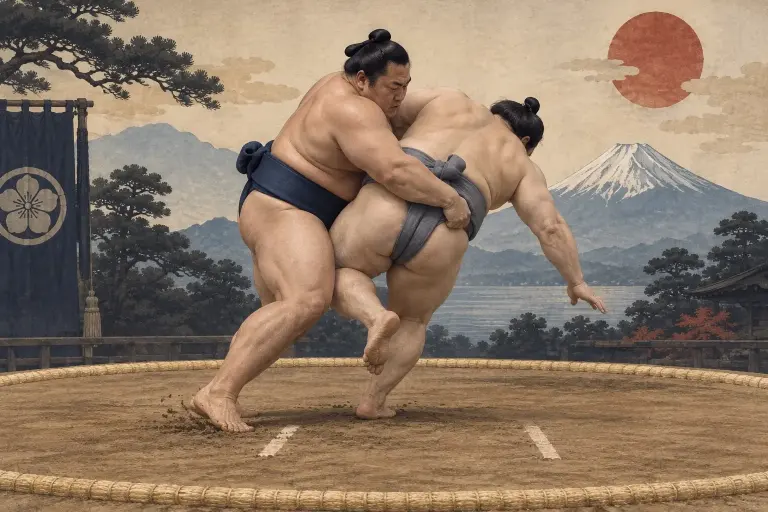
Okurinage is an official sumo kimarite in which from behind the opponent, the attacker executes a throw whose exact grip or throwing form is not otherwise specified.
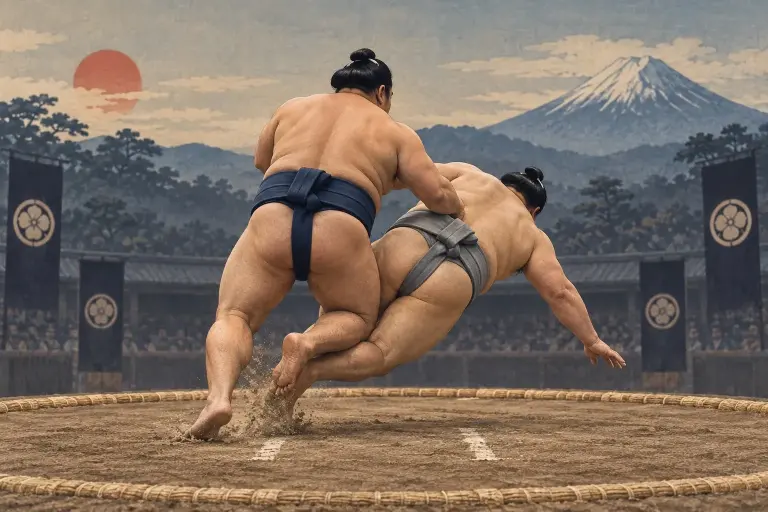
Okurigake is an official sumo kimarite in which from behind, the attacker hooks an opponent’s leg from inside or outside and topples the opponent.