
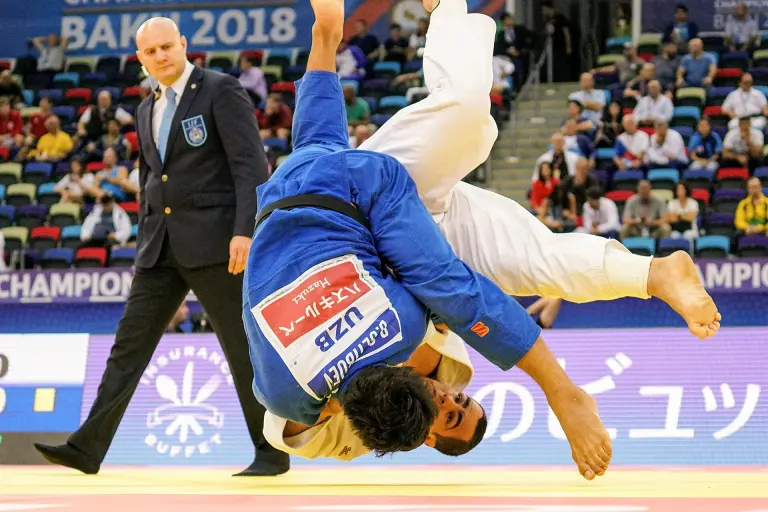
Kaeshi-waza
Kaeshi-waza are Judo counter techniques that use the timing, direction or imbalance of an opponent’s attack to produce a legal response.
Kaeshi-waza are Judo counter techniques that use the timing, direction or imbalance of an opponent’s attack to produce a legal response.
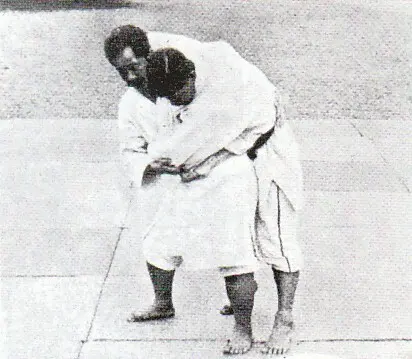
Gokyō no Waza is the Kodokan’s five-group teaching syllabus of 40 throws, revised in 1920 and distinct from the complete modern technique list.
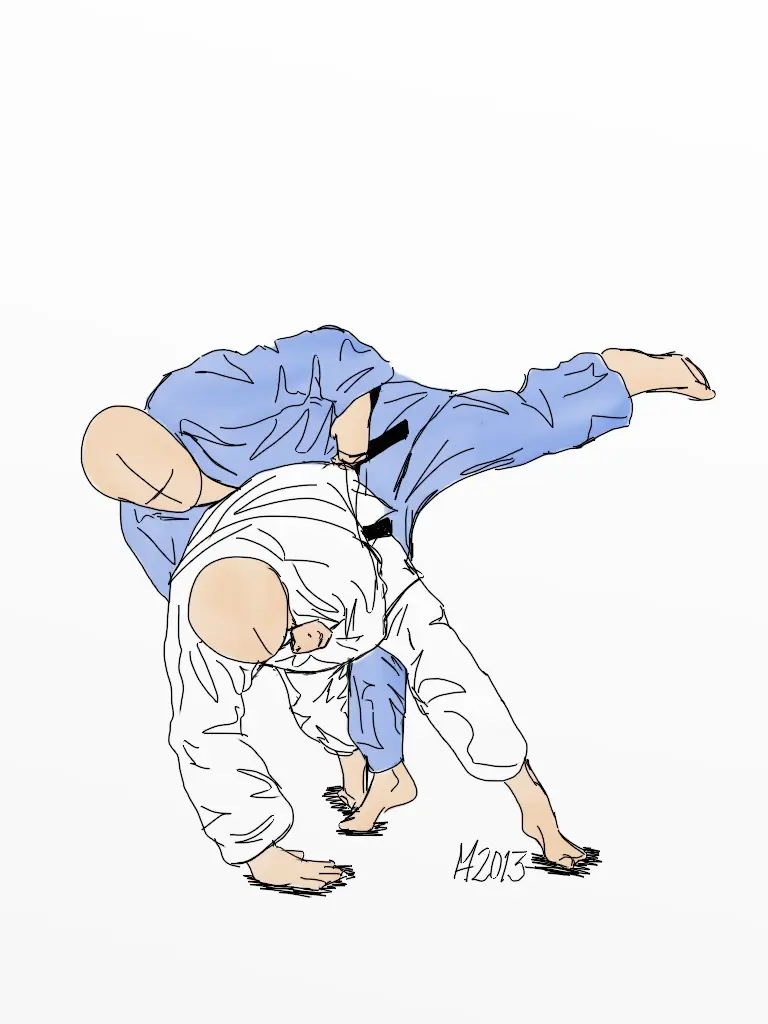
Sutemi-waza are Kodokan sacrifice throws, divided into five rear sacrifice techniques and 16 side sacrifice techniques, with distinct competition restrictions.
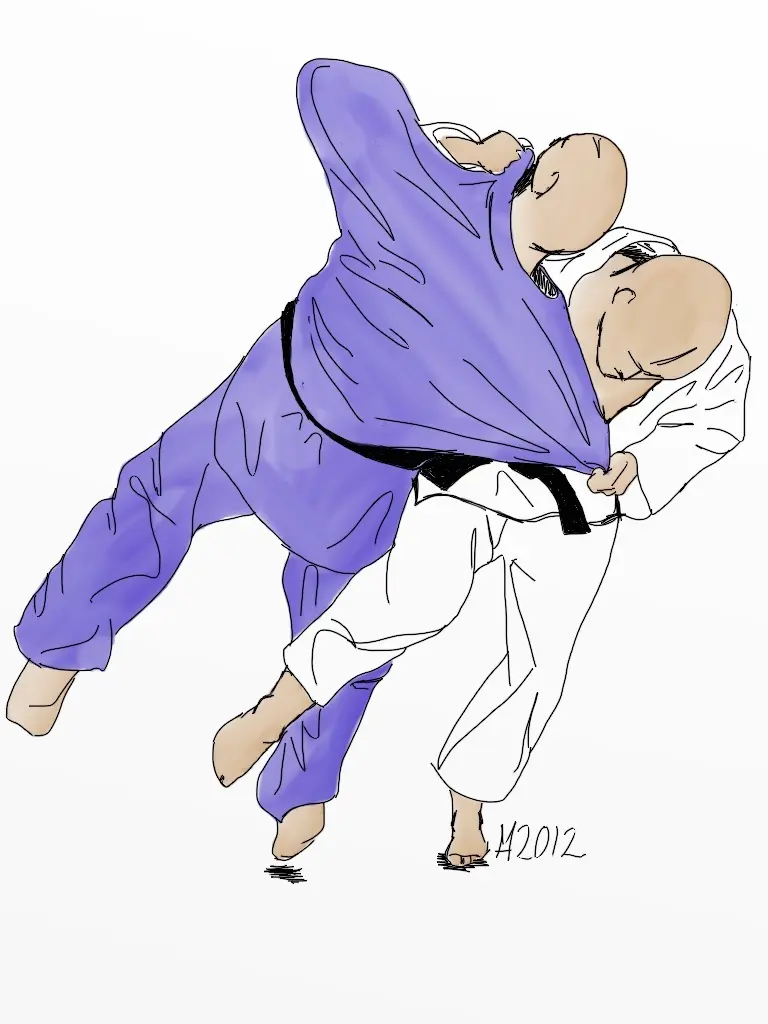
Ashi-waza are the 21 Kodokan foot and leg techniques, including sweeps, reaps, supports, wheels, hooks, drops, and counters.
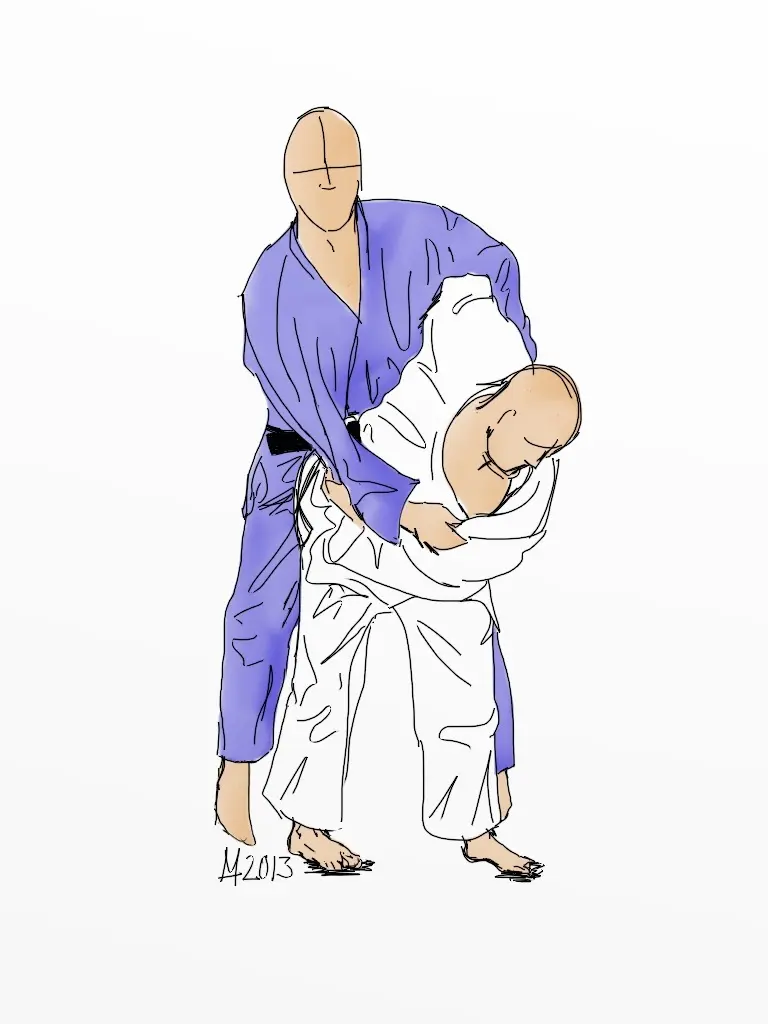
Koshi-waza are the 10 Kodokan hip techniques, defined by the hip’s central role rather than by one fixed grip or execution.
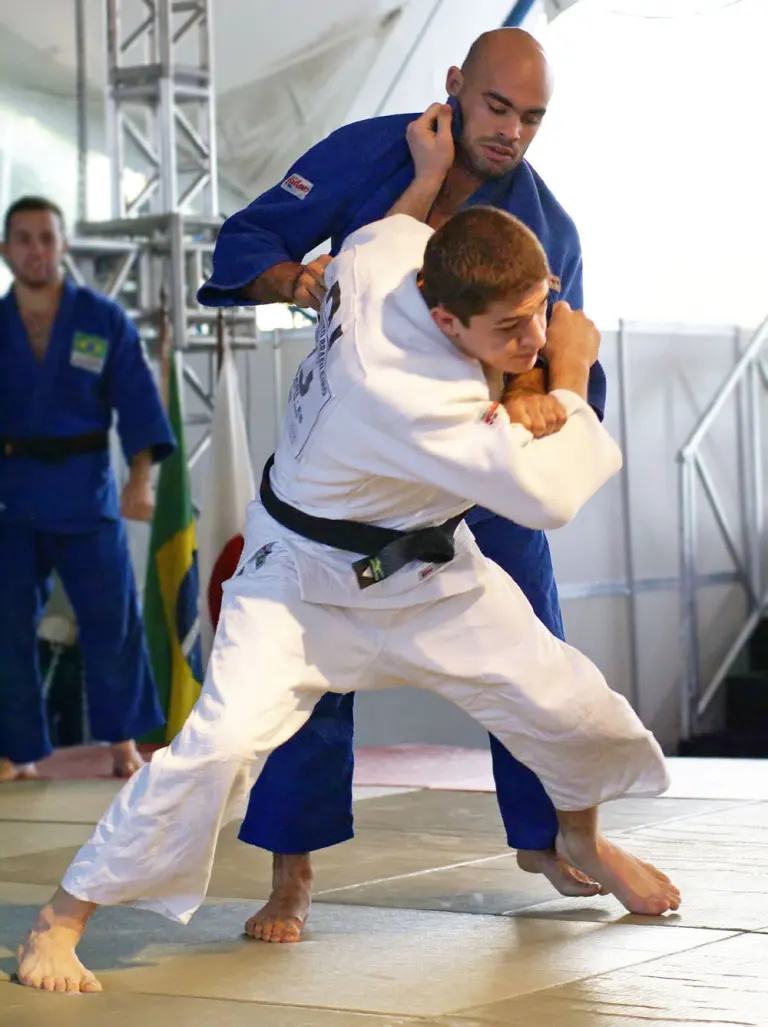
Te-waza are the 16 Kodokan hand techniques, a branch of Judo throwing whose official classification remains broader than current contest legality.

Nage-waza are the throwing techniques of Judo, classified by their principal action and use of standing or sacrifice movement.