
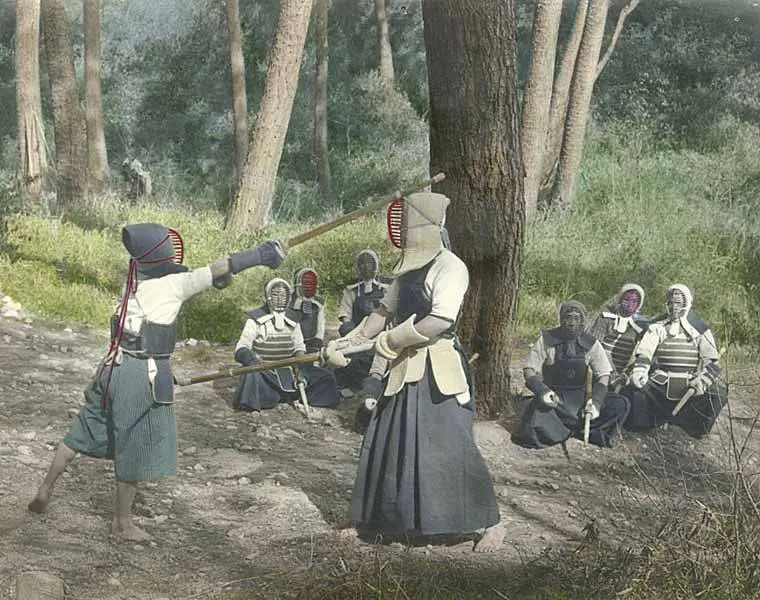
Kendo Terminology
Kendo terminology covers equipment, movement, distance, training, kata and competition, with Japanese meanings that do not always map neatly onto English.
Kendo terminology covers equipment, movement, distance, training, kata and competition, with Japanese meanings that do not always map neatly onto English.

A shinai is Kendo’s resilient practice sword, usually made from four bamboo slats and governed by construction, inspection and competition standards.
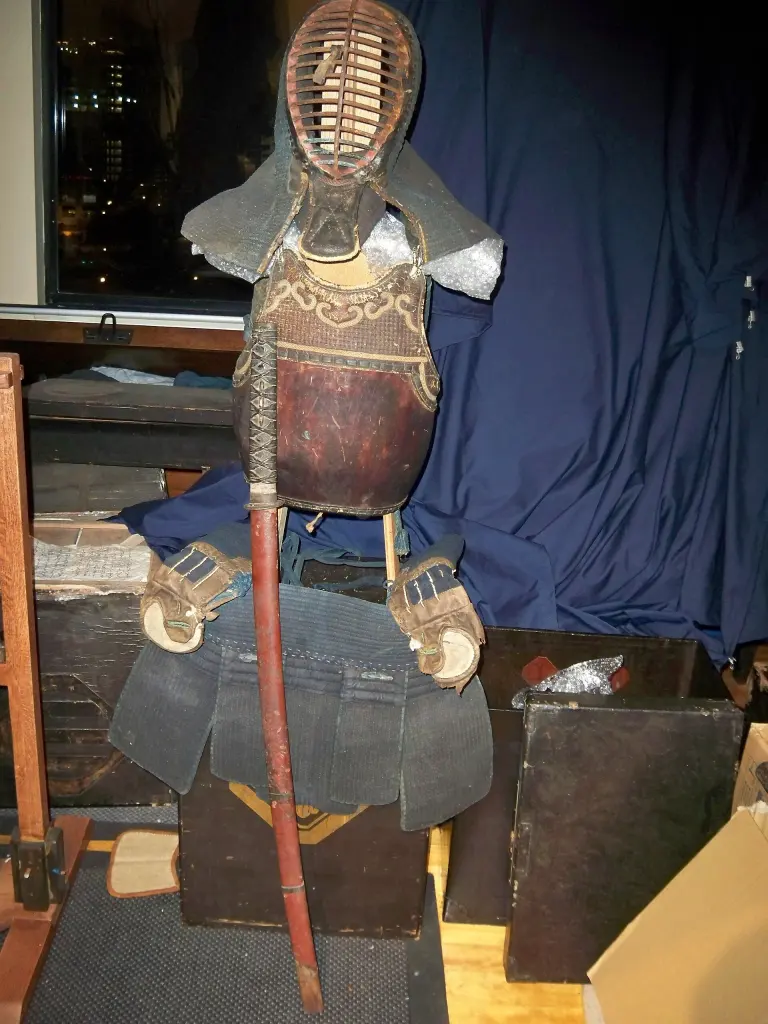
Bōgu is Kendo’s protective equipment: men, kote, dō and tare, whose protected surfaces must be distinguished from legal scoring targets.
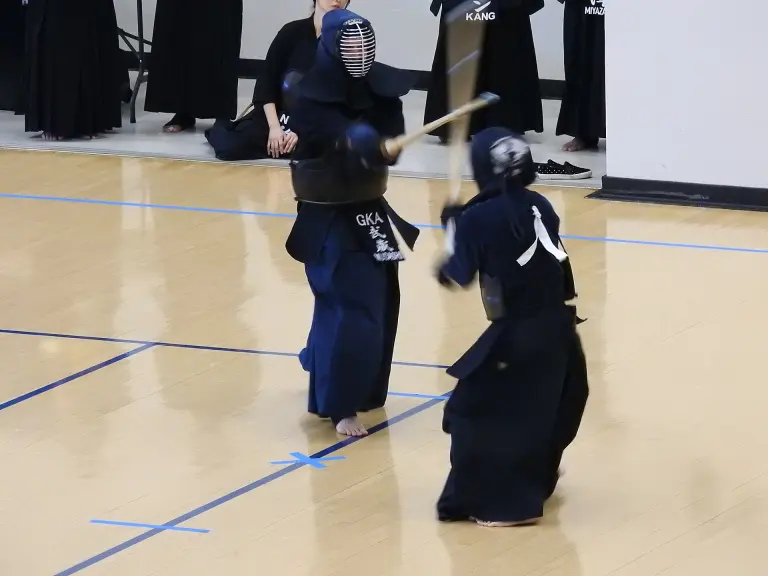
Yūkō-datotsu is a valid Kendo scoring action judged through target, shinai contact, blade alignment, posture, energetic commitment and zanshin.
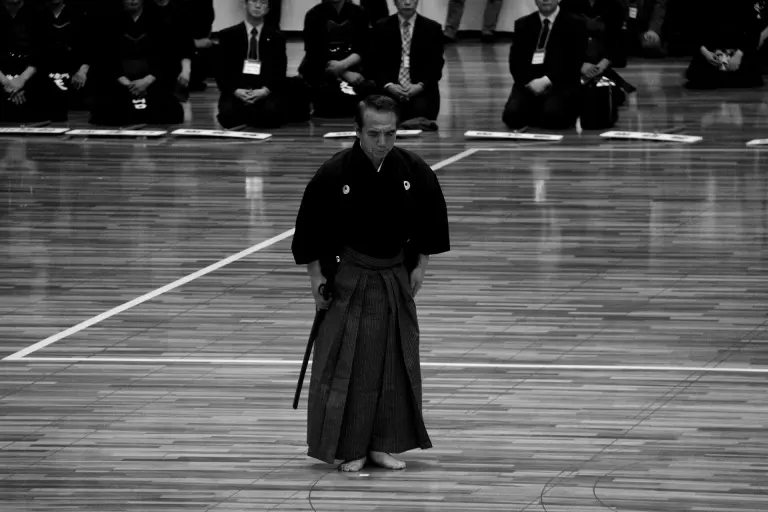
Nihon Kendō Kata is Kendo’s standard paired-form system: seven long-sword forms and three short-sword forms established in 1912.

Kendo rules govern contest area, time, scoring, refereeing, equipment and penalties, with AJKF and FIK documents requiring version-specific interpretation.
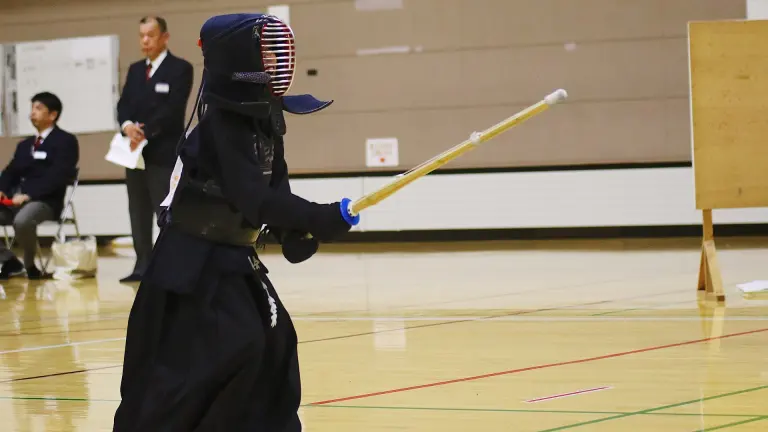
Kendo is a modern Japanese sword discipline practised with bamboo swords, protective armour, formal kata, and regulated full-contact matches.

The Dai Nippon Butoku Kai was Japan’s leading national martial-arts organisation from 1895 until its dissolution in 1946.
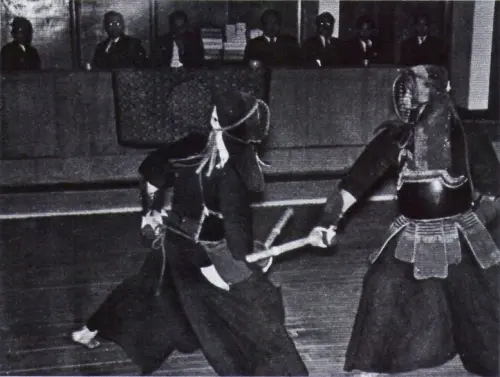
The Keishicho martial arts dojo is the training base for Tokyo Metropolitan Police judo and kendo within the department’s Police Skills Center.