
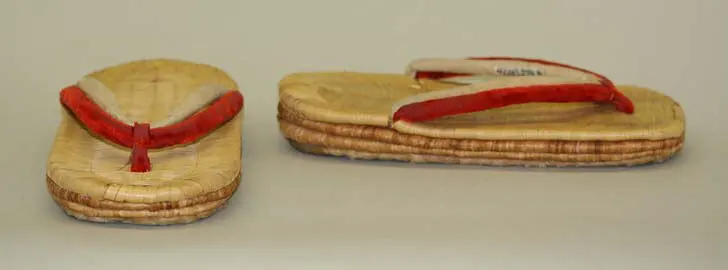
Zōri
Zōri are flat Japanese thong sandals whose materials and form range from woven-straw workwear to formal footwear for kimono ensembles.
Zōri are flat Japanese thong sandals whose materials and form range from woven-straw workwear to formal footwear for kimono ensembles.
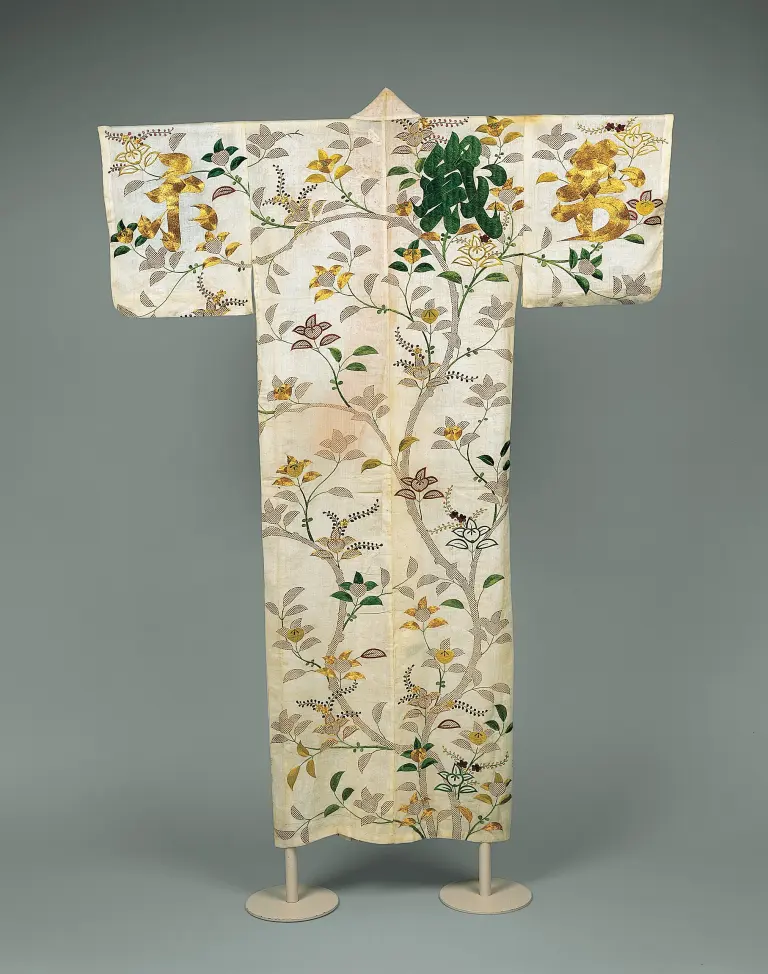
Kimono are straight-seamed wrap garments whose materials, decoration, layering, and accessories communicate season, occasion, age, taste, and formality.
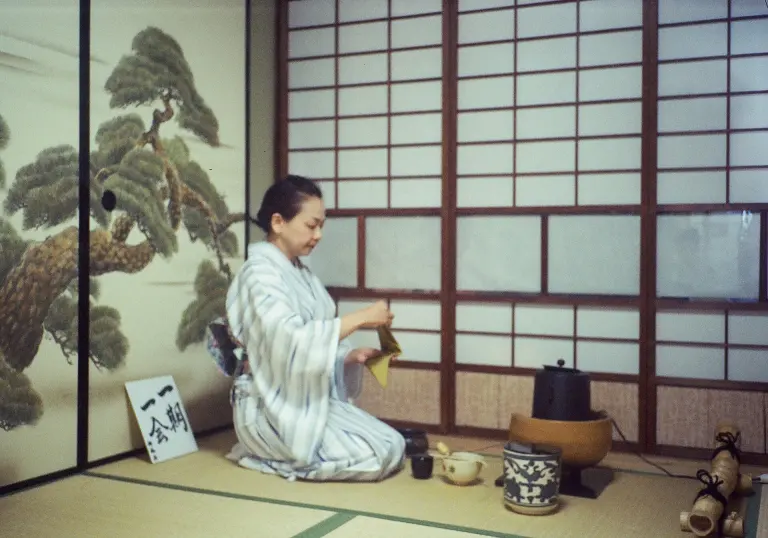
Omotenashi is a Japanese term for receiving and caring for guests through preparation and attention, shaped by domestic, ceremonial, commercial, and tourism settings.

Honne and tatemae contrast inner feeling or intention with a publicly appropriate position, but their relationship varies and should not be equated automatically with deception.
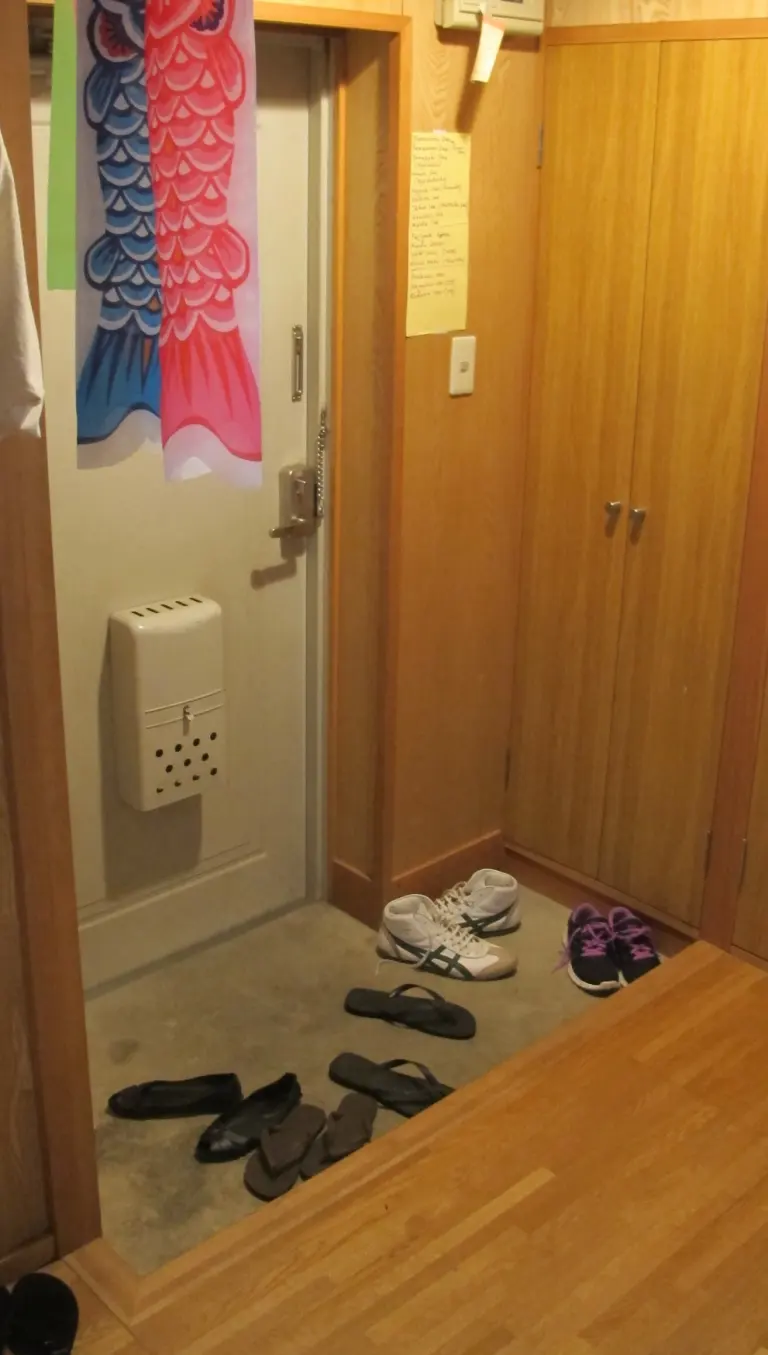
A genkan is the entry zone of a Japanese home or building where outside and raised interior spaces meet and shoes are commonly removed.
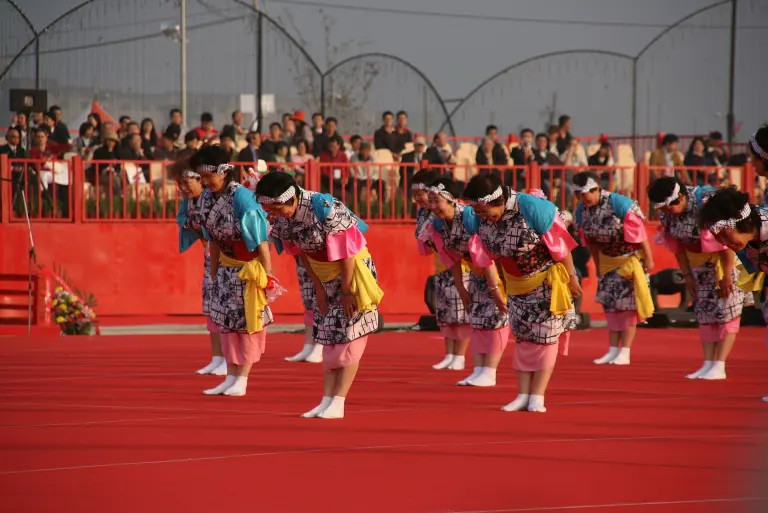
Bowing in Japan is a flexible bodily practice used for greetings, thanks, apologies, respect, ceremony, work, worship, and performance, with formality varying by context.