
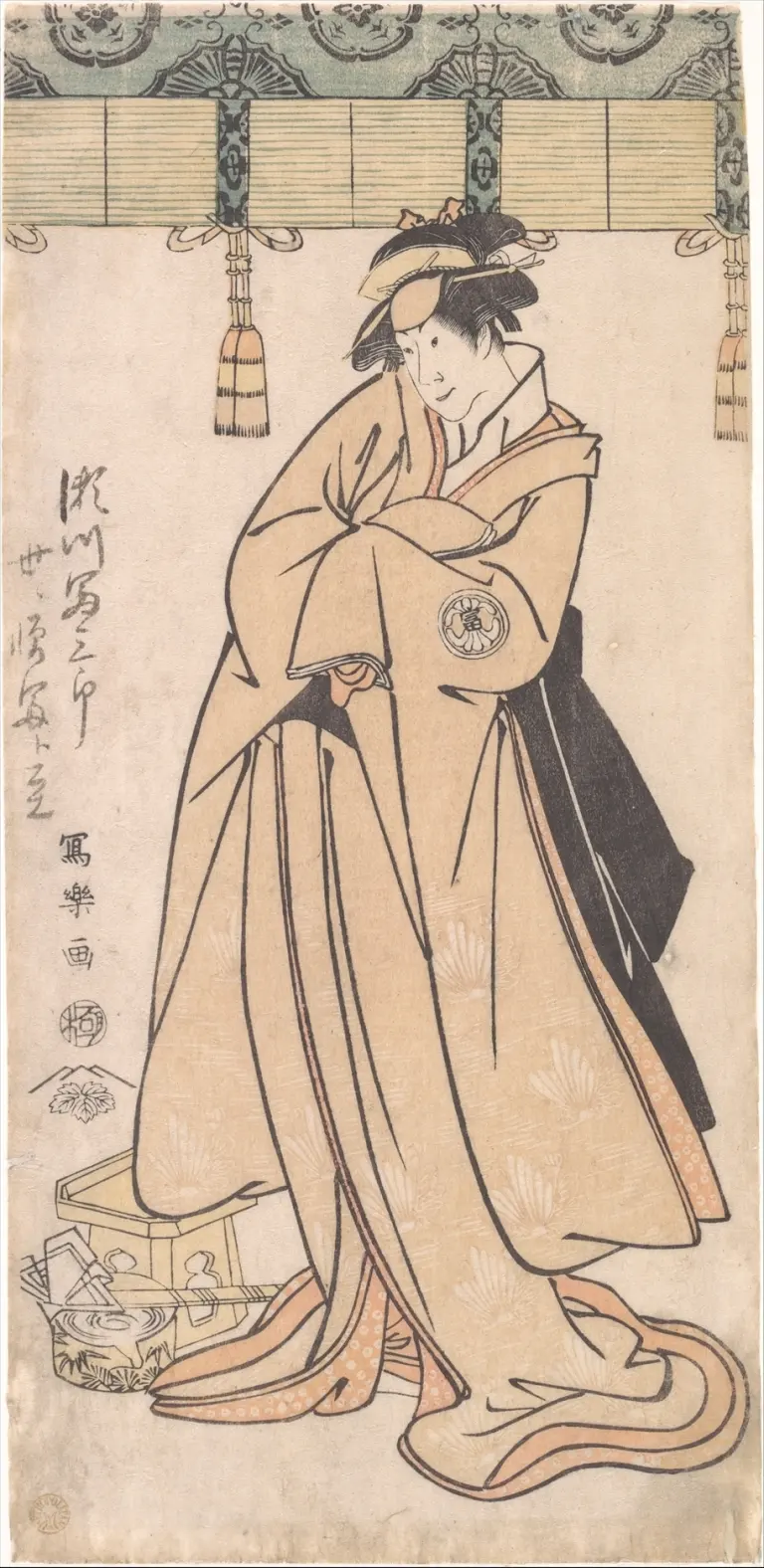
Onnagata
Kabuki’s female-role tradition: its historical formation, acting conventions, character types, and the distinction between stage portrayal and an actor’s identity.
Kabuki’s female-role tradition: its historical formation, acting conventions, character types, and the distinction between stage portrayal and an actor’s identity.
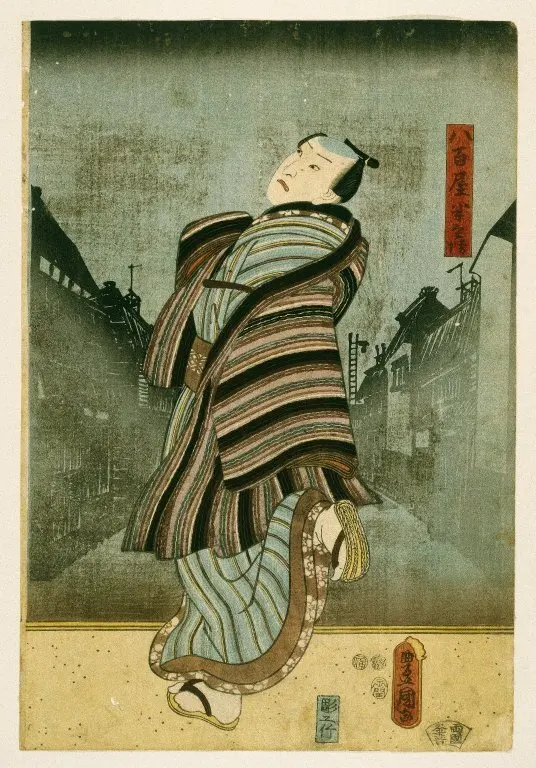
An introduction to kabuki actors, including stage names, lineages, role categories, training, acting patterns, actor prints, and the modern profession.
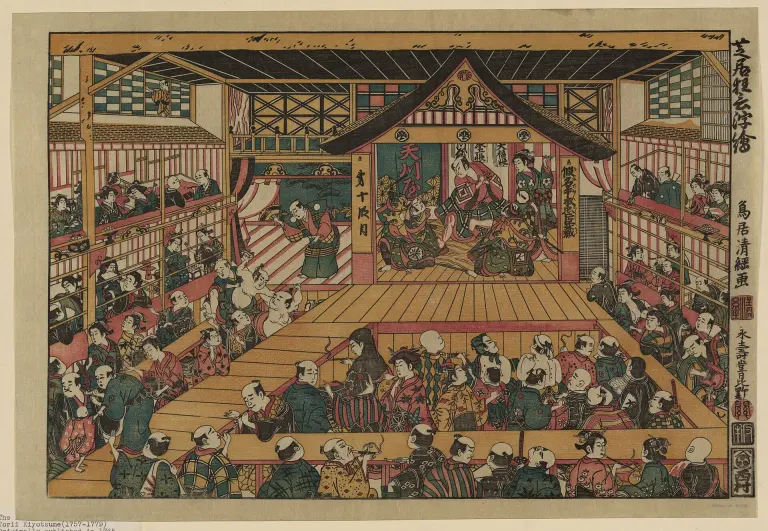
Kabuki is an Edo-period theatre tradition known for actor-centred performance, music and dance, inherited stage names, and technically inventive staging.
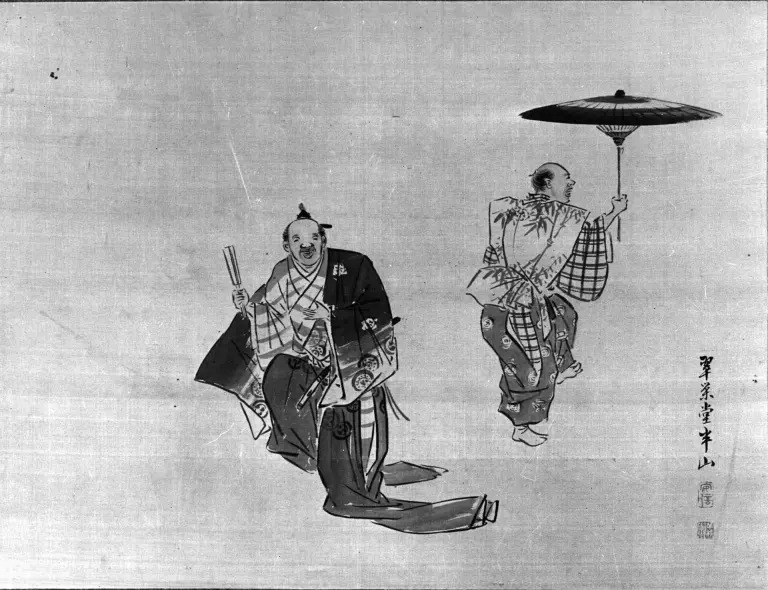
Kyōgen is the spoken comic theatre of Nohgaku, using concise plots, stylized dialogue, and recognizable human types to turn conflict into performance.

Noh is a classical Japanese masked dance-drama built from chant, instrumental music, highly controlled movement, and a repertory transmitted through hereditary schools.