
Gyōji Costume
Gyōji costume combines formal clothing with rank-specific tassels and footwear; its modern form dates to a documented change in 1910.
Gyōji costume combines formal clothing with rank-specific tassels and footwear; its modern form dates to a documented change in 1910.
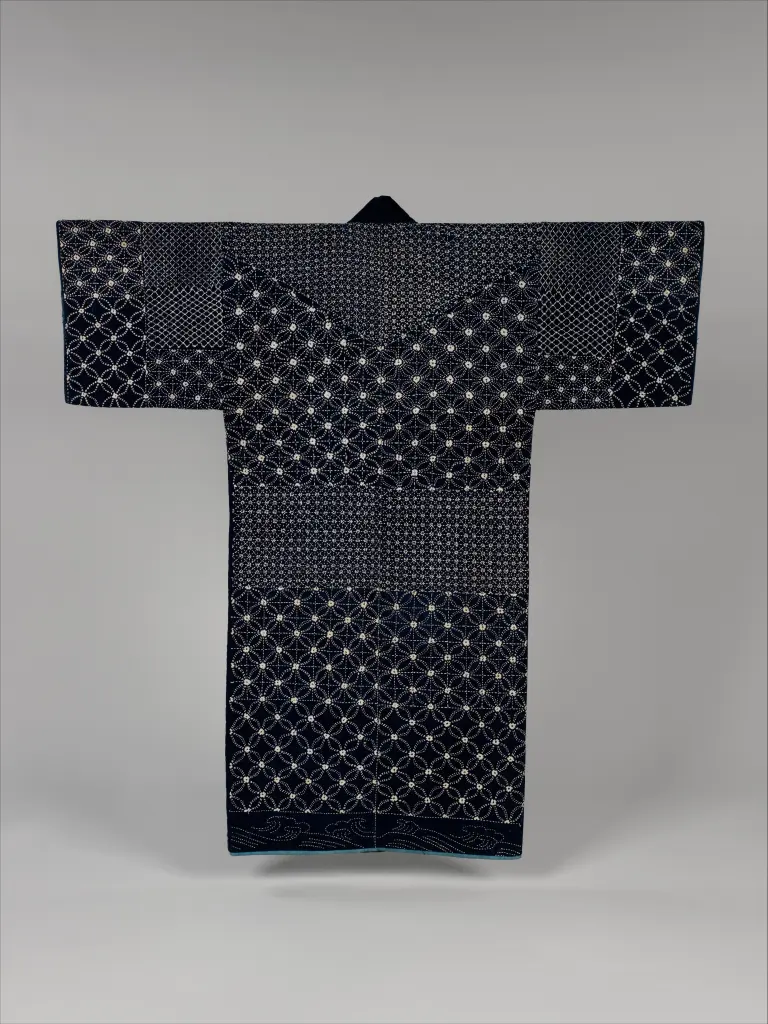
Sashiko is a family of Japanese running-stitch practices used to reinforce, quilt, join, repair, and decorate cloth.
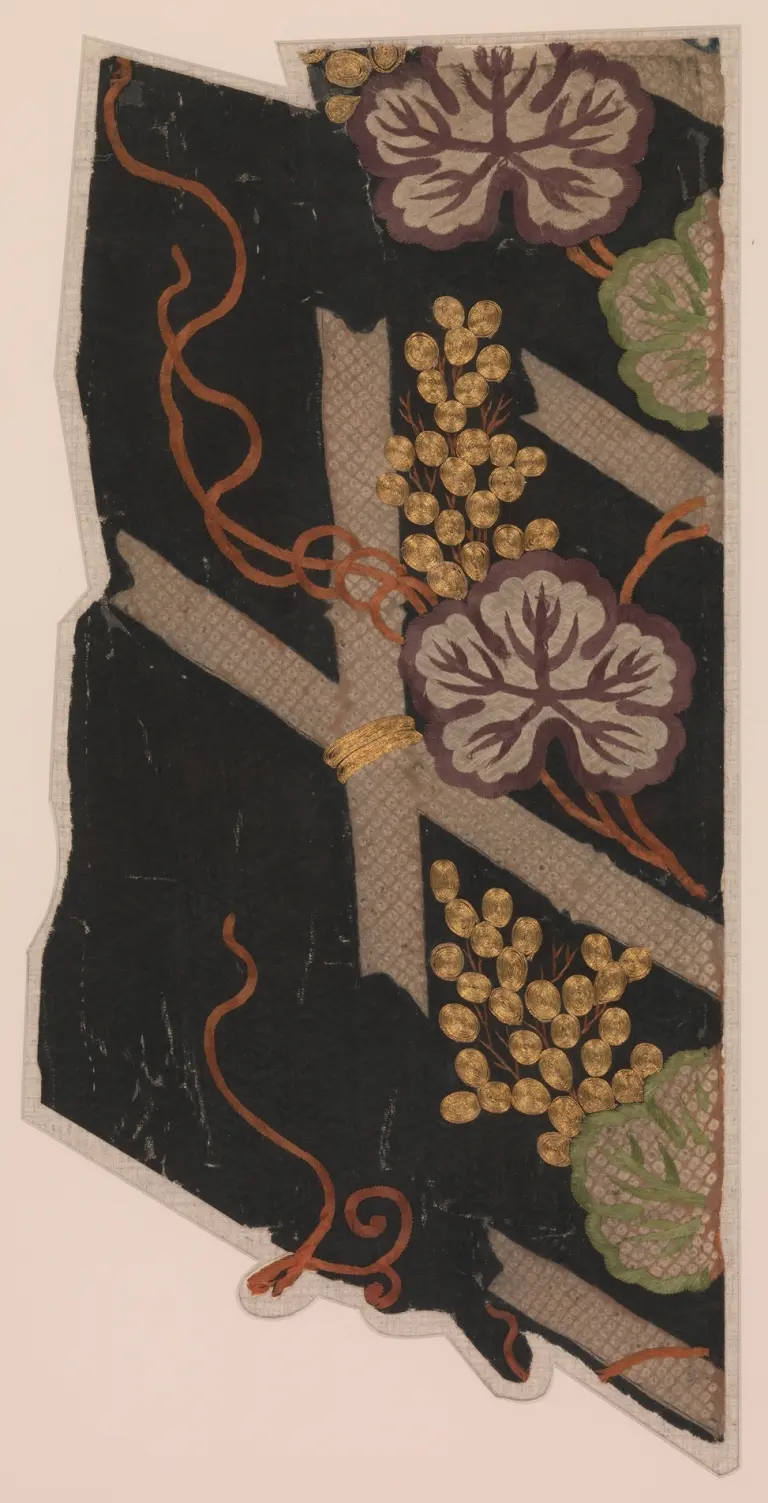
Shibori is a family of Japanese resist-dyeing techniques that shape, bind, stitch, fold, or compress cloth before it is dyed.

Japanese textile arts encompass regional traditions of fibre preparation, weaving, resist dyeing, painting, embroidery, quilting, and the making of clothing and interiors.
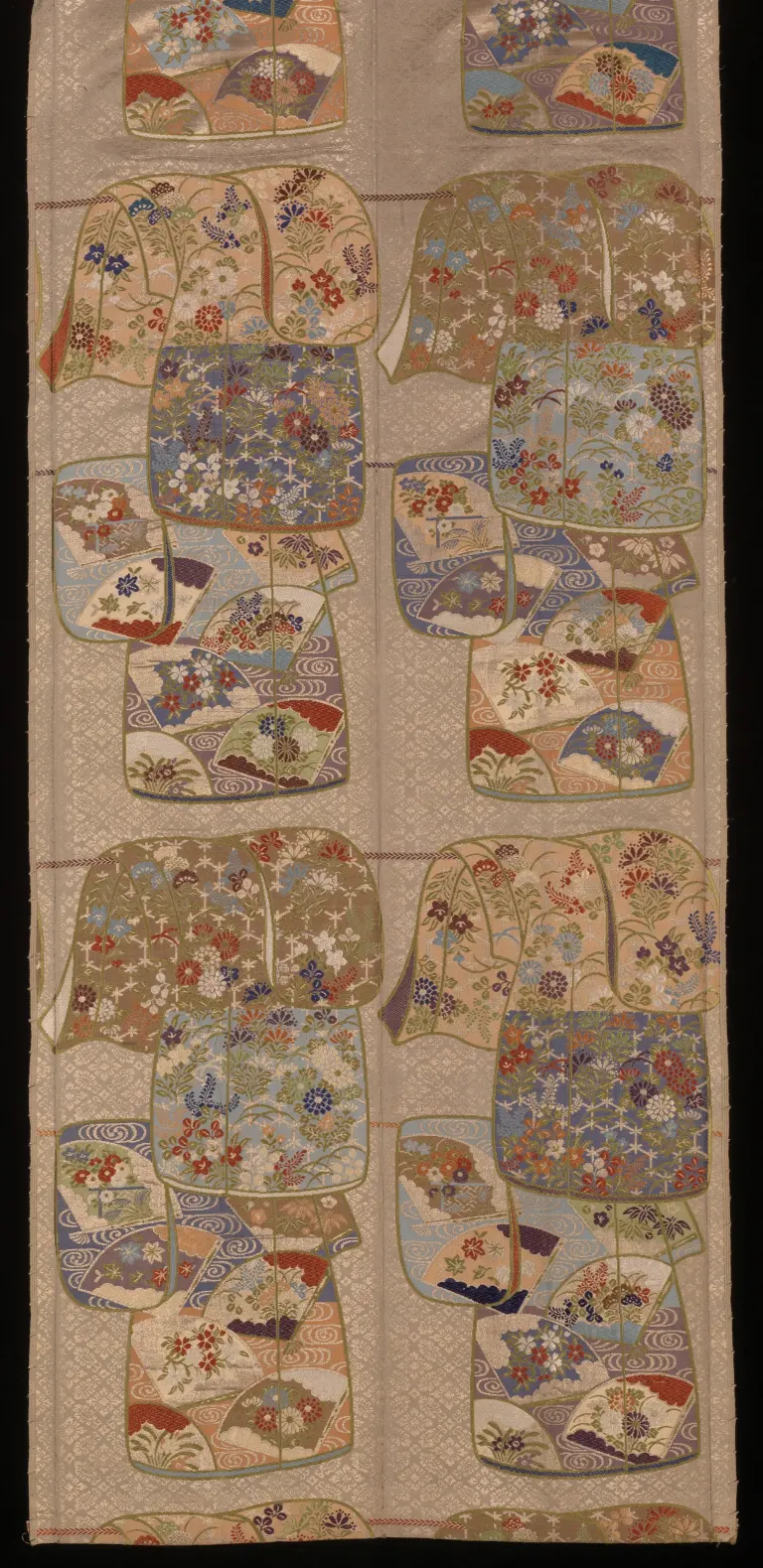
An obi is a Japanese sash whose dimensions, textile, knot, and accessories help structure kimono dress and express occasion and formality.
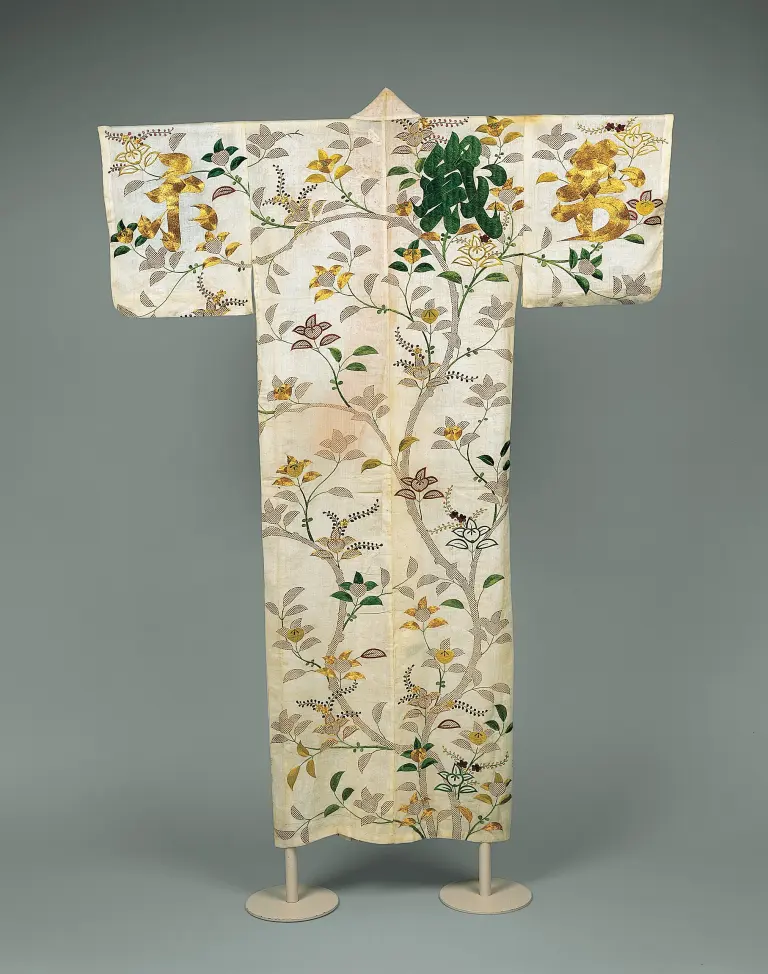
Kimono are straight-seamed wrap garments whose materials, decoration, layering, and accessories communicate season, occasion, age, taste, and formality.