Martial Arts Figures
Kenji Tomiki
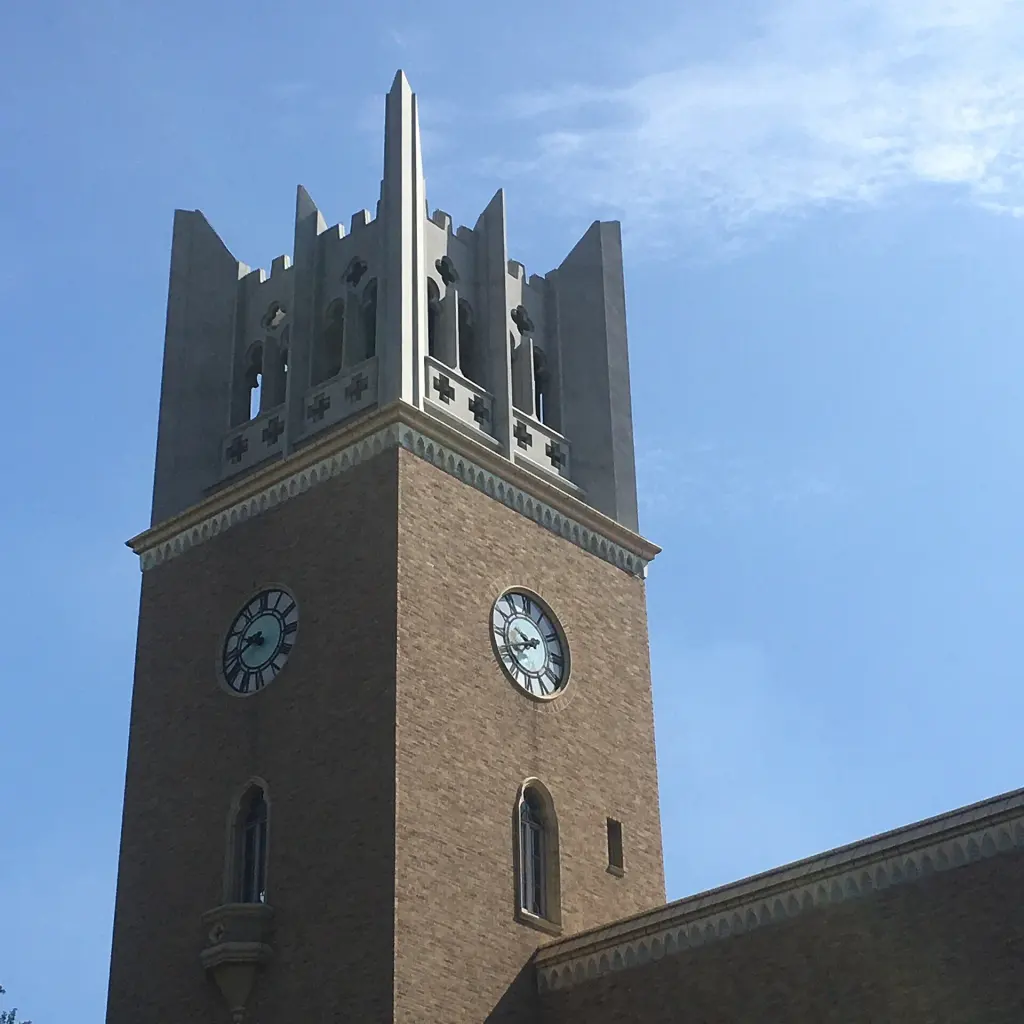
Image: Seiichi Miyashita / Wikimedia Commons · CC0 1.0
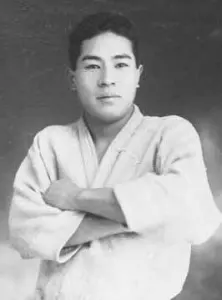
Kenji Tomiki (1900–1979) was a Japanese martial artist, educator, and theorist who sought to place Aikido within a modern system of physical education. A senior judoka who studied with both Jigoro Kano's Kodokan and Morihei Ueshiba, he argued that formal kata and free practice should support one another. At Waseda University he developed aiki-randori, a controlled method for testing distance, timing, and technique, and in 1958 helped establish the university's Aikido club. Tomiki's work later supported organised competition and the founding of the Japan Aikido Association in 1974. Describing his project simply as turning Aikido into a sport misses its educational purpose: he treated randori as a research method and as a way to preserve martial principles under safer, explicit rules.
Overview
| Japanese name | 富木謙治 |
|---|---|
| Born | 15 March 1900, Kakunodate, Akita Prefecture, Japan |
| Died | 25 December 1979 |
| Principal teachers | Jigoro Kano and Morihei Ueshiba |
| Academic base | Waseda University |
| Founded | Japan Aikido Association, 1974 |
Early life and Judo
Tomiki was born in Kakunodate, Akita Prefecture. He practised Judo from youth and continued while studying political economy at Waseda University. His development took place within the educational culture created around the Kodokan by Jigoro Kano.
Judo gave Tomiki a model in which kata, randori, competition, and ethical education could be related without being identical. He later used this model to ask how techniques associated with Aikido might be practised more freely and safely.
Study with Morihei Ueshiba
Tomiki began studying with Morihei Ueshiba in the 1920s, before Aikido became the standard name of the art. He became one of the early practitioners to receive high formal recognition from Ueshiba.
The encounter joined two influences that Tomiki did not regard as mutually exclusive: Kano's method of modern physical education and Ueshiba's study of distance, entering, and controls applied before a conventional grappling hold is established.
Manchuria, war, and internment
Before and during the Asia-Pacific War, Tomiki taught in Japanese-controlled Manchuria, including at Kenkoku University. This institutional setting formed part of Japan's colonial project and should not be described as politically neutral overseas education.
After the Soviet entry into the war, Tomiki was interned and did not return to Japan until 1948. His later writing and university work belong to a postwar effort to reconstruct martial education under very different social conditions.
Waseda University
Tomiki joined Waseda's postwar physical-education faculty and used the university as a base for technical research. The Waseda Aikido Club was formally established in 1958 with Tomiki as its first head.
University practice encouraged written rules, repeatable instruction, and analysis that could be discussed beyond personal lineage. It also gave students a continuing environment in which kata and randori could be tested together.
Aiki-randori
Tomiki described aiki-randori as a second form of randori complementing Judo's close-range gripping practice. Its central problem is the interval before or outside a settled hold, where strikes, evasions, entries, and standing controls must be managed.
Because unrestricted attacks and joint techniques would create unacceptable risk, Tomiki narrowed the permitted actions and developed training tools such as a soft knife. The rules were not meant to define every martial possibility; they created a limited laboratory for timing, initiative, and technical selection.
Kata and competition
Tomiki did not propose replacing kata with tournaments. Kata preserved technical relationships and principles that could not all be tested at speed, while randori exposed weaknesses in distance, posture, and decision-making.
Competition emerged from this educational pairing. Critics within Aikido opposed contest, whereas supporters argued that clear rules, officiating, and resistance could make practice more objective. The disagreement remains a defining difference among Aikido organisations.
Japan Aikido Association
Tomiki founded the Japan Aikido Association in 1974 to promote technical standards, instruction, and competition. The association became one institutional centre of what is widely called Tomiki Aikido.
Tomiki Aikido is broader than any single organisation. Waseda, the Japan Aikido Association, Shodokan-related groups, and other bodies preserve overlapping but not identical interpretations of Tomiki's work.
Legacy
Tomiki died in 1979. His writings and curriculum influenced debates about whether martial tradition, university education, safety, and competition could be integrated without losing technical meaning.
His most important legacy is the question embedded in his method: how can a cooperative art test judgement against uncertainty? The answer he developed—kata supported by controlled randori—continues to distinguish his Aikido lineage.
Sources
Last updated: