Food Culture
Japanese Tea

Image: no / Wikimedia Commons · CC BY 2.1 Japan
Japanese Tea
The leaf’s treatment shapes the tea.
Japanese tea is a broad field of cultivation, processing and drinking practices, rather than another name for the formal tea ceremony. Green tea is especially prominent, but tea grown in Japan can also be processed into other styles. Differences between sencha, gyokuro, matcha and hōjicha depend on choices made before and after harvest: shading, heating, rolling, drying, roasting and grinding all matter. Regional histories connect these techniques with farmers, merchants, religious institutions and tea practitioners. A cup’s name can identify a production method, a place, a blend or a way of serving, so those categories should be read separately rather than treated as a single ranking of quality.
Grow
Shading and harvesting shape the material.
Process
Heating, rolling or grinding creates distinct styles.
Serve
A cup and a formal gathering have different contexts.
At a glance
- Japanese term
- 日本茶 — nihoncha
- Prominent category
- Green tea
- Key production distinction
- How the leaves are grown and processed
- Matcha base
- Tencha, dried without rolling and ground into powder
- Related practice
- Chanoyu, one part of a broader tea culture
01
Processing turns leaves into different kinds of tea
MAFF distinguishes green, oolong and black tea by their processing, rather than treating them as wholly unrelated plants. Heating early in green-tea production limits oxidation. Steaming is characteristic of many Japanese green teas, while pan-fired forms also exist. The leaves in a field do not yet tell the whole story of the finished drink.
02
Names describe different production choices
Sencha commonly uses steamed, rolled leaves. Gyokuro uses shaded cultivation, while hōjicha gains its character from roasting. Genmaicha combines tea with roasted rice. Bancha includes teas made with more mature leaves or later harvest material; usage varies. These categories describe methods and materials, not a simple ladder from ordinary to ceremonial.
- Sencha
- Steamed and rolled leaf tea.
- Gyokuro
- Shaded leaf tea.
- Hōjicha
- Roasted tea.
- Genmaicha
- Tea blended with roasted rice.
03
Matcha is defined by its route from tencha
Tencha is produced from shaded leaves that are steamed and dried without rolling. Further preparation removes stems and veins before grinding. Matcha is made from this material. Powdering sencha produces powdered tea, but does not make it matcha simply because the result is green. The distinction is about production history as well as appearance.
04
Uji’s history joins technique with patronage
The Agency for Cultural Affairs traces developments in southern Kyoto’s Yamashiro region, including shaded cultivation in the sixteenth century and Nagatani Sōen’s eighteenth-century steaming and hand-rolling method for sencha. Tea fields, merchants’ districts and surviving production sites record these changes. Uji’s importance should be understood through that regional history, without making it stand for every Japanese tea-producing area.
05
Everyday drinking and chanoyu have overlapping materials
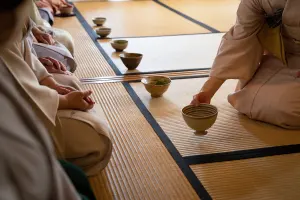
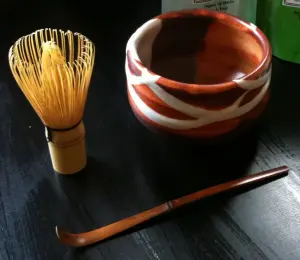
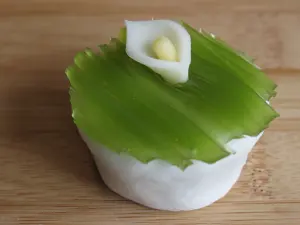
The Japanese Tea Ceremony concerns a cultivated practice of preparation, utensils, setting and hospitality. Japanese tea as a whole also includes leaf infusions and drinks outside that setting. Chanoyu Terminology explains its specialised vocabulary; Wagashi offers a related route into the sweets served in many tea contexts.
06
Museums connect the cup with agricultural and global history
Shizuoka’s Fujinokuni Tea Museum presents tea’s origins, its spread around the world and the histories of Japanese and Shizuoka tea. This wider frame prevents the subject from becoming only a guide to utensils or taste. Regional labels, growing practices and serving traditions provide different kinds of information; understanding them together connects a finished drink with landscapes and labour.
Sources
Last updated: